
Record-strength El Niño could raise food prices in Australia
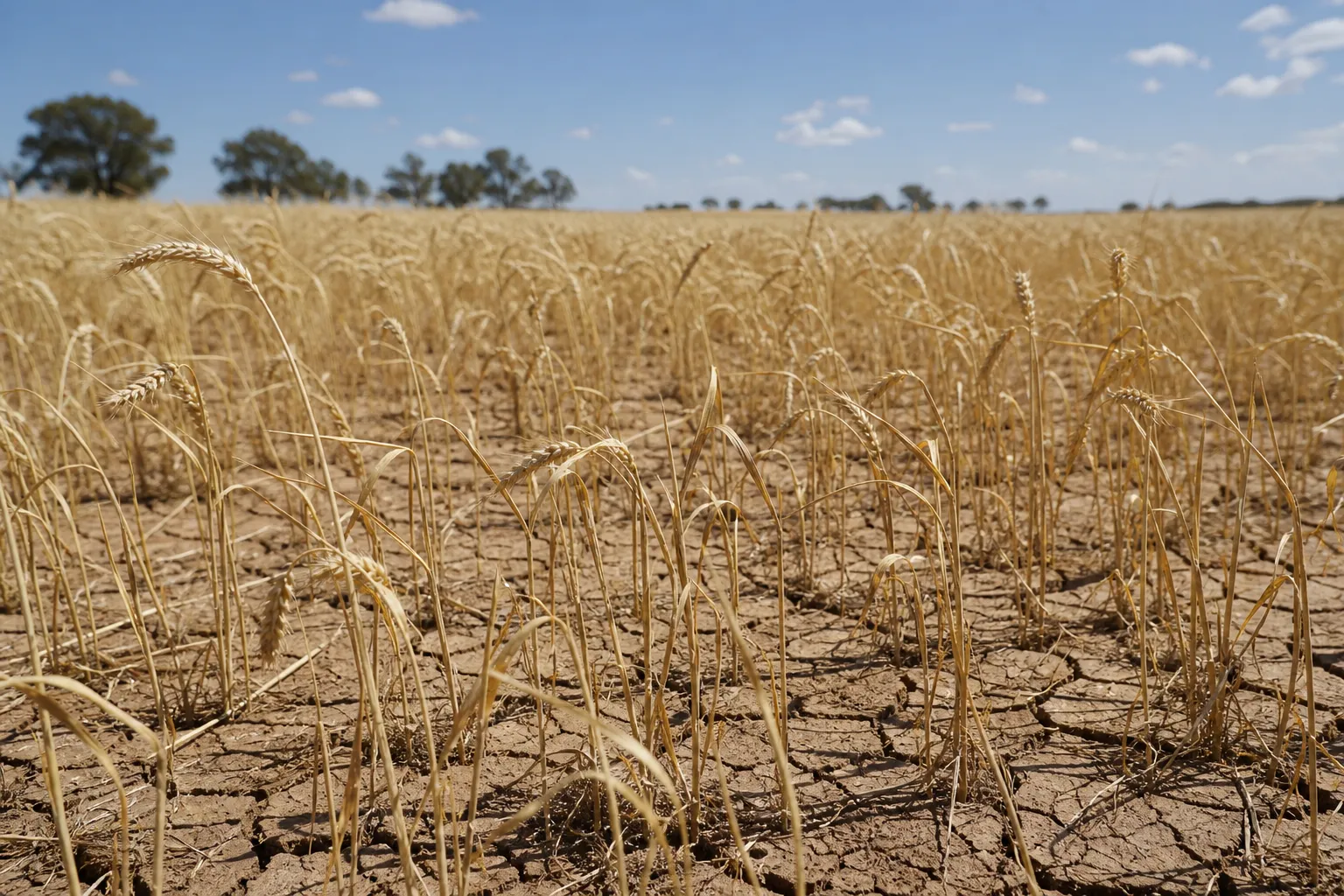
In Australia, El Niño, which could become the strongest since reliable observations began, may cause food prices in supermarkets to rise. Australia’s Bureau of Meteorology forecasts that the phenomenon will peak in late spring or summer and exceed the levels of the warmest El Niño recorded since reliable observations began in 1950, The Guardian reports.
Risks to harvests
Rabobank analyst Michael Harvey said that the forecast hot and dry weather in key agricultural regions of eastern Australia would be one of the factors affecting food prices over the next 12 months. According to the UN Food and Agriculture Organization, weather threats are already reflected in high and rising global commodity prices.
Harvey noted that El Niño poses a risk to Australia’s winter wheat crop, which is still expected to be substantial. Possible consequences for feed grain will also be important. In his assessment, the final scale of the impact will become clearer in the fourth quarter of the year.
More current news is available on the UA.News Telegram channel Telegram.
Other price factors
External factors also affect food prices. Commonwealth Bank agricultural economist Dennis Voznesenski said that since the beginning of July, global wheat prices have risen by about a third, while in Australia they have increased by about 9%. Brent crude oil has exceeded $97 per barrel and has risen by 35% since the beginning of July, increasing farmers’ diesel fuel costs.
Fertilizer suppliers warned of prolonged supply disruptions that could keep prices at a structurally higher level. Voznesenski also said that record grain harvests in Russia and Ukraine are struggling to reach international markets after mutual attacks on critical Black Sea ports. In his assessment, about one-third of global grain exports currently cannot reach international markets.
Over the five years to June, prices for basic foods in Australia, including bread and cereals, dairy products, jams and eggs, rose by 28–30%. Challenger chief economist Jonathan Kearns said, however, that it is difficult to establish a direct link between El Niño and food prices, as the cost of goods is also affected by labor, transport and packaging costs.


