
A task force has been established in India to make recommendations on exam security following the NEET leak
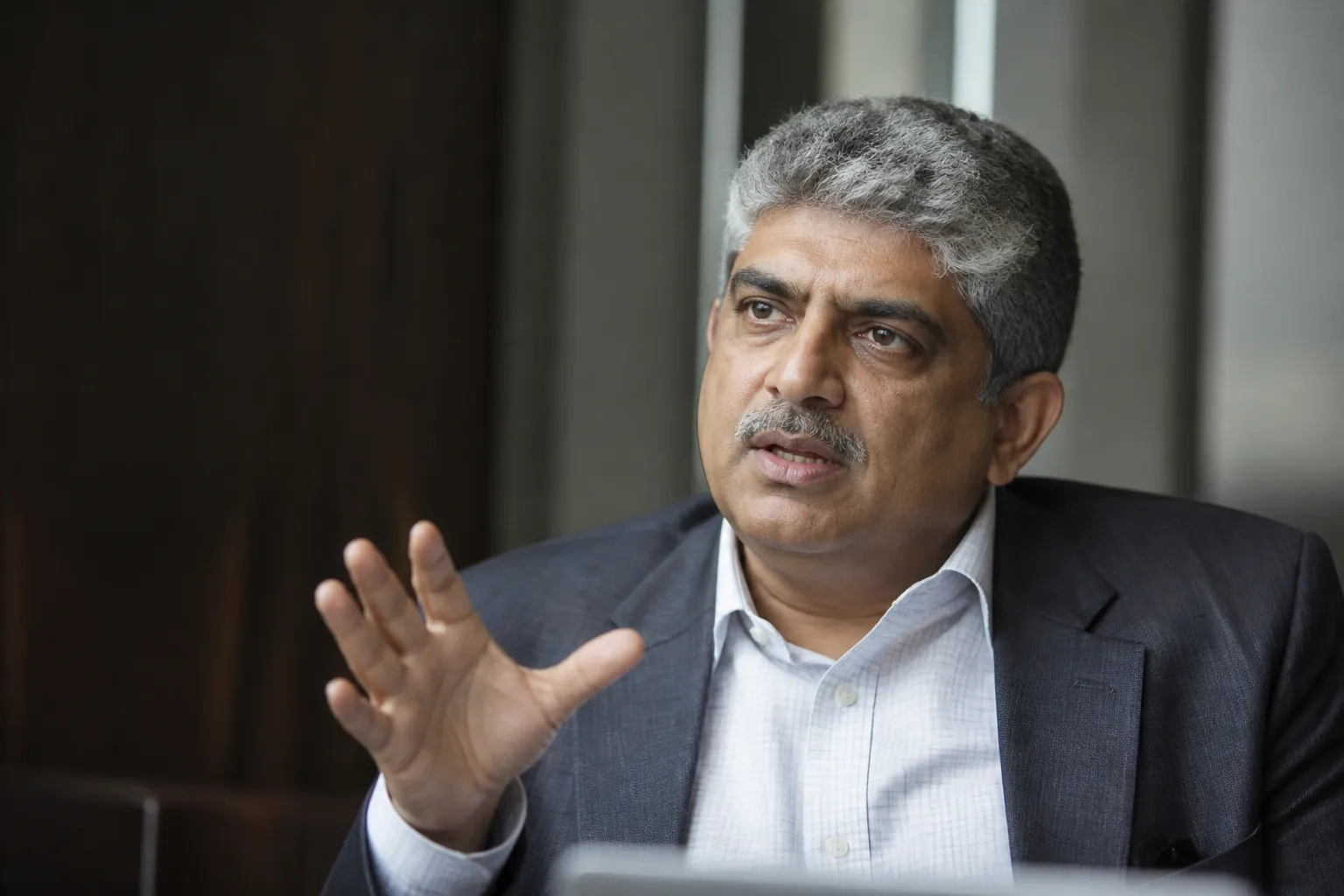
The Indian government has established a working group tasked with preparing recommendations for technological reforms to the examination system following the leak of questions from the National Eligibility Entrance Test (NEET) for medical schools. The task force is headed by Nandan Nilekani, co-founder of the IT company Infosys and one of the creators of the Aadhaar digital identification system, according to Channel NewsAsia.
The leak of questions from one of the country’s largest entrance exams sparked student protests in June and drew the Supreme Court’s attention to the work of the National Testing Agency (NTA). According to CNA, amid the stress, uncertainty, and the need to retake the exam, at least 20 medical students reportedly took their own lives.
India’s Central Bureau of Investigation, according to CNA, arrested 13 people as part of a criminal investigation. Among those detained were three NTA subject matter experts, test center operators, and intermediaries. Investigators stated that they had uncovered a cross-state conspiracy.
Experts emphasize that digitization alone will not eliminate integrity issues. R. Subrahmanyam, former secretary of India’s Ministry of Education, attributed the situation to a flaw in the design of the assessment system. He proposed replacing a single decisive exam with multiple testing dates and using dynamically generated test questions that are equivalent in difficulty.
Read more breaking news on the UA.News Telegram channel.
Cybersecurity researcher Sai Krishna explained that paper-based exams involve a long chain of physical storage and transmission—from test compilers and printing houses to carriers, storage facilities, local officials, and testing centers. Each stage, he said, poses a risk of compromise. India’s largest entrance exams use a single confidential set of questions for millions of test-takers, so a leak of a single document could call the entire process into question.
Experts suggest that India combine the strict controls over the transportation and storage of test papers used in China with the computer-based testing models common in the United States. In particular, GRE exams use large question banks and various equivalent test versions, while adaptive testing adjusts the difficulty of questions based on the candidate’s previous answers.
According to The Indian Express, the transition of the NEET to an online format in 2027 may require administering the test over five to six days at approximately 1,000 centers in 500 cities, where about 500,000 people will take the exam each day. In 2026, more than 2.2 million candidates took the NEET at 5,432 centers. Experts note that the transition will require secure computer labs, a stable power supply and internet connection, trained staff, and several equivalent versions of the test.


