
Traces of Neanderthal wooden objects found in Spain — Science News
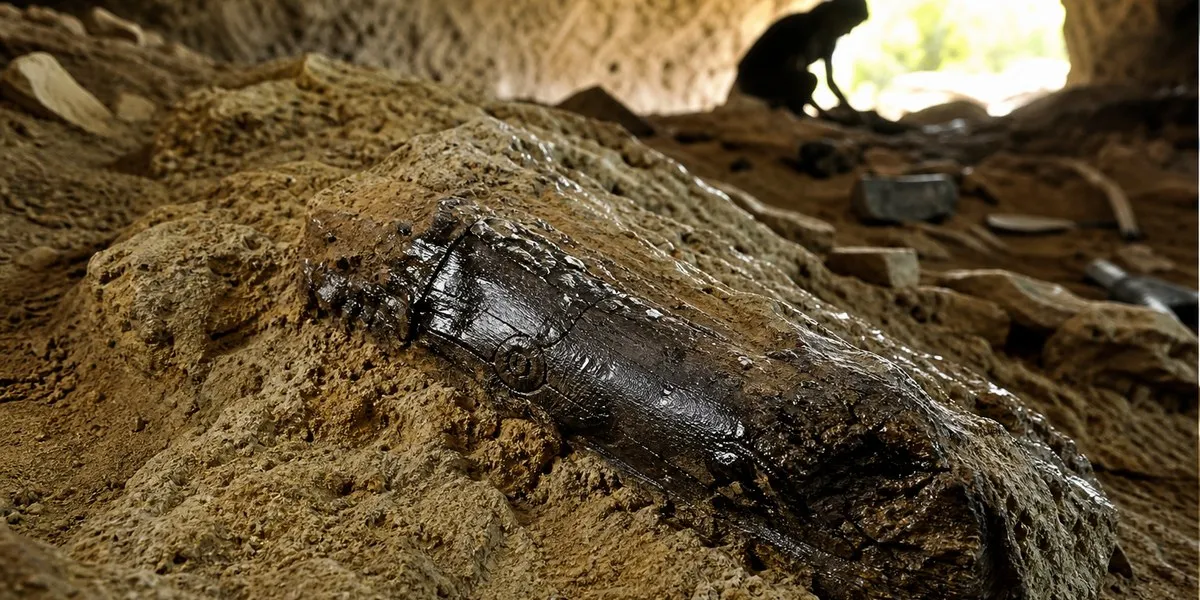
At the Abric Romaní rock shelter, 50 kilometers west of Barcelona, archaeologists have discovered traces of wooden objects linked to the everyday life of Neanderthals more than 40,000 years ago. The find provides a more detailed picture of the lives of the site’s inhabitants: they likely worked wood for tools and windbreak structures, and also used it as fuel, Science News reports.
Traces of a living space
The shelter covers an area of about 300 square meters. Different types of hearths and clusters of tools in different parts of the site indicate that Neanderthals may have divided the space into areas for sleeping and working.
Near hearths and refuse pits, researchers identified objects resembling meter-long digging sticks. In another area, they recorded the trace of a straight, thin five-meter log stripped of branches. According to the team, it could have been the basis of a windbreak screen or part of a structure for sleeping and resting.
More current news is available on the UA.News Telegram channel Telegram.
Archaeologists also described a 30-centimeter object resembling a short stick. It may have been used for hunting, breaking bones, or working stone. The only thing known for certain is that the object had an unnatural shape and traces of scraping on its surface.
How the traces of wood were preserved
The wood itself did not survive: it decomposed, leaving cavities in the sediment. In 1995, researchers noticed these cavities and filled them with resin, creating casts of the objects. Periodic slow flooding likely covered the wood, bones, and stone tools, protecting the site’s surface from animals. Later, minerals in the water formed layers of travertine.
Since 1983, archaeologists have uncovered 19 sandy layers containing finds. Uranium-thorium dating showed that the shelter was used from 60,000 to 40,000 years ago, while samples from lower, still unexcavated deposits indicate that people were present there as early as 110,000 years ago. At the same time, archaeologist Dirk Leder cautioned that without clear traces of cutting or bark removal, it is difficult to definitively distinguish natural branches from deliberately worked objects.




