
Four found guilty in Israel in case involving alleged assassination plot
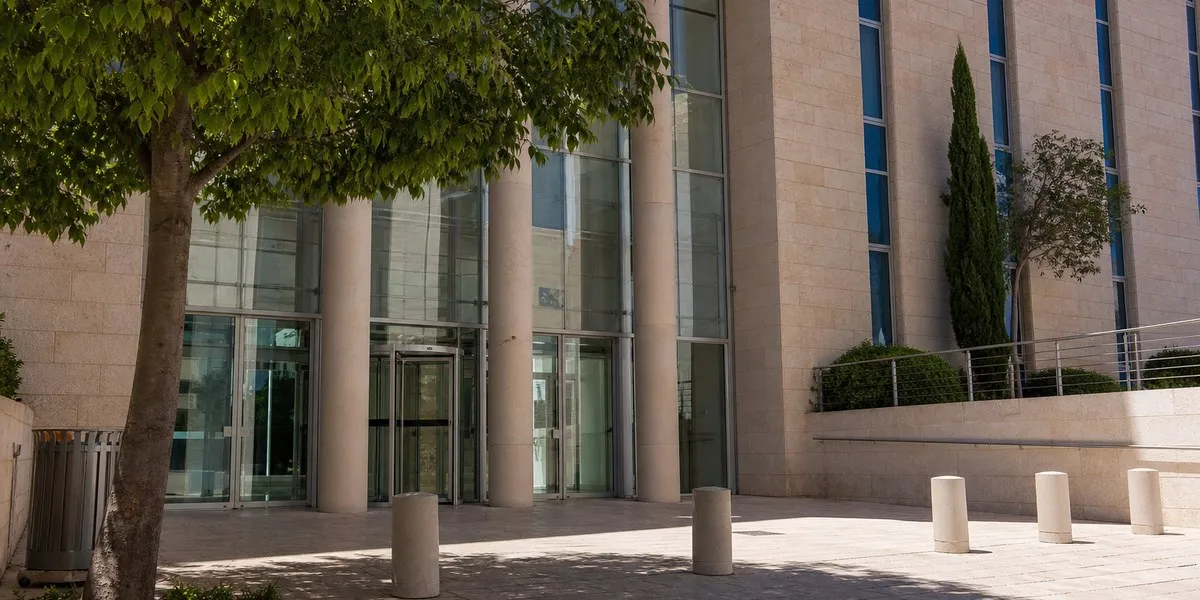
The Jerusalem District Court in Israel found four residents of the Beit Safafa area guilty in a case involving an alleged plan to kill an Israeli nuclear scientist and his family. As The Jerusalem Post reports, prosecutors claim that one of the defendants was contacted by a person acting on behalf of Iran.
Guilty pleas
The four defendants pleaded guilty under a plea agreement concerning their own roles in the case. At the same time, none of them was found guilty of planning the murder. Proceedings against three other defendants, including Rami Alyan, whom prosecutors say was tasked with organizing the assassination, are ongoing.
Mamdouh Khader and Omri Abu Hamida were found guilty of failing to prevent a terrorist act. Mahmoud Khader and Muhammad Taha were found guilty of helping another defendant maintain contact with a foreign agent.
Prosecution's version
According to the amended indictment, in September 2024, Rami Alyan was contacted by a person acting on behalf of Iran, who offered payment for carrying out tasks. Later, prosecutors claim, Alyan was tasked with forming a group to kill the scientist and members of his family.
More current news is available on the UA.News Telegram channel Telegram.
Khader and Abu Hamida took part in a trip to the Weizmann Institute of Science in Rehovot. During the trip, another defendant told the passengers that the task had come from an Iranian contact. Security did not allow the group onto the institution's premises, and two other defendants filmed the entrance.
After returning to Jerusalem, Abu Hamida asked why the footage was needed. According to the indictment, he was told that there was a person at the site whom they wanted to kill. Khader and Abu Hamida took no steps to prevent the plan, the prosecution claims.
Other episodes
Mahmoud Khader admitted that he helped paint and photograph inscriptions in Jerusalem, and also transported another defendant to obtain two stun grenades. According to the case materials, he also helped obtain a fake police license plate for a video intended to simulate an attack on a patrol car.
Taha admitted organizing the throwing of a stun grenade into an empty house in Katana and filming a video intended to create the impression of an attack on a Jewish house. According to the indictment, he also stored a phone used to contact the alleged Iranian representative. A date for the sentencing hearing has not yet been set.


