
In Israel, PISA has a stronger link to parents’ occupations — Jerusalem Post
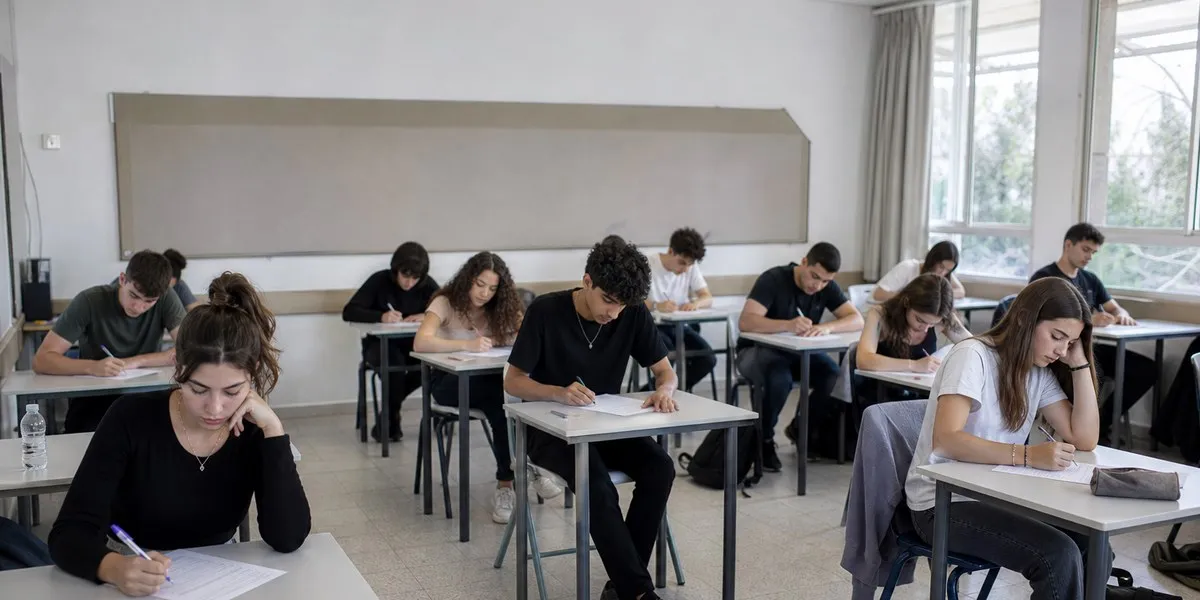
In Israel, parents’ occupations are linked to the PISA test results of 15-year-old students more than twice as strongly as parents’ education levels. Researchers at the Shoresh Institution for Socioeconomic Research reached this conclusion, the Jerusalem Post reports.
The authors analyzed data from 10,336 teenagers who took PISA tests in Hebrew in 2012, 2015, 2018 and 2022. The sample included students whose both parents were employed. The PISA assessment, conducted by the OECD, evaluates reading, mathematics and science skills among 15-year-old school students.
What the researchers considered
In their analysis, the specialists also took into account parents’ education, place of birth, the student’s gender, the number of books at home, the availability of computers and internet access, as well as other household characteristics. Students who took the test in Arabic were not included in the study because discrepancies between students’ reports of their parents’ education and official statistics had been identified in earlier work.
For fathers, the baseline group included workers in trade, transportation, security services, law enforcement, construction and manufacturing. Compared with this group, average results were approximately 7.3% higher among children of fathers working in university teaching, science or research, and 6.8% higher among children of fathers in technology, information fields or software development.
More current news is available on the UA.News Telegram channel Telegram.
Among children of fathers employed in advanced engineering, results were approximately 5% higher; in finance, accounting and economics, 4.2% higher; and in medicine and healthcare, 3.7% higher. The father’s occupation was linked to results in all three subjects, while the mother’s occupation correlated most strongly with reading achievement.
Differences by mothers’ occupations
For mothers, the baseline group included those employed in teaching, personal services, trade, clerical work and cleaning. Children of mothers working in technology, information fields or software development had scores approximately 6.8% higher than this group.
At the same time, children of mothers working as early childhood educators had results 4.6% lower than the baseline group, while children of teaching assistants had results 2.2% lower. The cited percentages do not indicate gains in raw PISA scores: they are differences between groups calculated by the researchers while accounting for other factors.
The researchers stressed that the analysis shows an association, rather than proving that parents’ occupations cause differences in academic performance. The study also did not directly account for household income levels.




