
For the first time in 48 days, martial law restrictions have been completely lifted in Israel
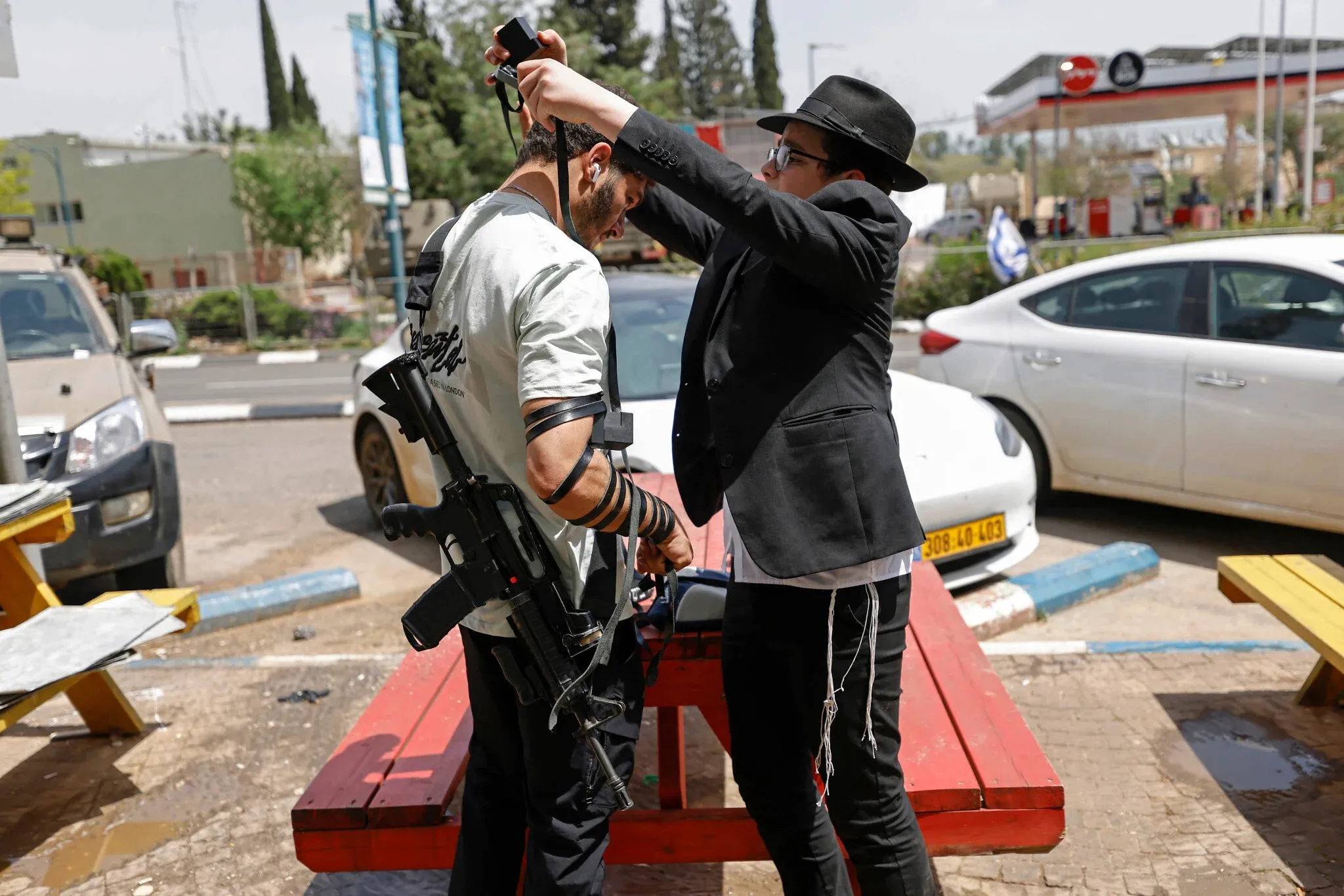
For the first time in a month and a half, Israel has completely lifted its military restrictions. This became possible after the ceasefire with Lebanon and Iran has held so far. The country is gradually returning to normal life, reports The Times of Israel.
The Israeli military announced the complete lifting of restrictions that had been in place since late February. This decision was made by the Home Front Command, which is responsible for the safety of the civilian population.
For the first time in 48 days, mass gatherings are permitted in Israel, schools are open, and businesses are operating without additional restrictions. “We are lifting all restrictions across the country,” the military stated, citing the stabilization of the security situation.
However, partial restrictions remain in place at the border with Lebanon. There, the number of participants in mass gatherings has been limited to 1,000 people. According to the plan, these restrictions will also be lifted on Saturday evening, provided the situation does not change.
Military restrictions were first imposed on February 28 following joint U.S. and Israeli strikes on Iran. Since then, strict rules have been in effect across the country: restrictions on gatherings, remote learning, and changes to business operations.
Now, against the backdrop of a ceasefire with Lebanon and the ongoing lull with Iran, the authorities have decided to return to normal operations. At the same time, military officials emphasize that the situation remains under control, but they continue to monitor it closely.
In fact, this is the first sign that tensions in the region have eased somewhat—at least enough for the country to resume normal life.
The U.S. is calling on G20 countries, as well as the IMF and the World Bank, to intervene urgently to avoid a fertilizer shortage. Due to the war in the Middle East, supplies have been disrupted precisely during the key planting season.
Global oil prices also fell by about 5% following news of a possible agreement between the U.S. and Iran. Investors reacted to Donald Trump’s statement that a deal is close and began to price in the easing of market tensions.
Airlines are warning that flight cancellations could begin in Europe as early as late May due to a shortage of jet fuel. The industry is asking governments to prepare a clear action plan in advance in case supplies need to be restricted.
Also, the Pakistani tanker Shalamar became the first vessel to pass through the Strait of Hormuz carrying crude oil since the U.S. blockade began on April 13.
Iran announced the opening of the Strait of Hormuz to commercial shipping for the duration of the ceasefire in Lebanon.
Iran estimates the damage from US and Israeli bombings at $270 billion and is demanding compensation from five Arab countries
Iran promises to respond to the blockade of its ports by blocking the Red Sea


