
Scientists have warned of a possible fly infestation due to a decline in the wasp population
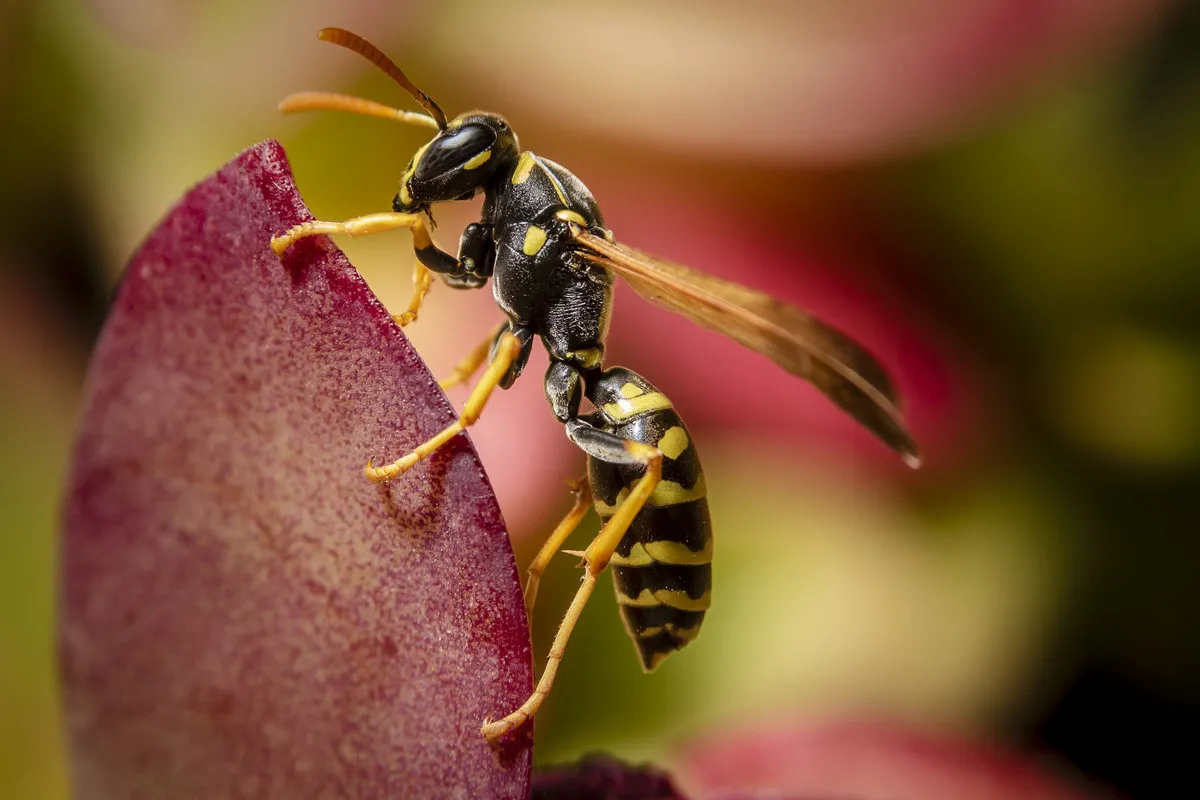
The world may face an increase in the number of flies and other insect pests due to a decline in the wasp population. This is the conclusion reached by scientists, who attribute the situation to adverse weather conditions and a decrease in the number of wasp colonies.
Sarian Sumner, a professor of behavioral ecology at University College London, noted that an unusually low number of wasp sightings were reported in the United Kingdom this summer. According to the researchers, a similar trend has been observed in other regions of the world.
Scientists suggest that the decline in the wasp population may have been caused by abnormal heat, drought, and sudden changes in weather during the spring. Such conditions could have negatively affected queen wasps, which establish new colonies in the spring. If a queen dies at this stage, the entire future colony fails to develop.
Scientists emphasize that wasps play an important role in natural ecosystems, as they are natural predators of flies, aphids, caterpillars, and other insect pests. A decline in their numbers could lead to a rapid increase in the populations of these species.
In addition to controlling pests, adult wasps also help pollinate plants by visiting flowers for nectar, although they are less efficient than bees.
According to Professor Sumner, it is still too early to say whether wasp populations will be able to recover in the near future. At the same time, researchers urge people not to kill these insects unnecessarily, as they are an important part of natural ecosystems and help keep pest populations in check.
This was reported by the Daily Mail, citing experts.
As a reminder, off the coast of Ecuador, scientists have spotted a rare smooth hammerhead shark (Sphyrna zygaena) in the Galápagos Islands for the first time in over 20 years. Researchers suggest that the archipelago may be an important breeding ground for this little-studied species, which is threatened with extinction.
Scientists have observed abnormal warming in Antarctica.


