
Tasmania’s upper house rejects short-stay levy
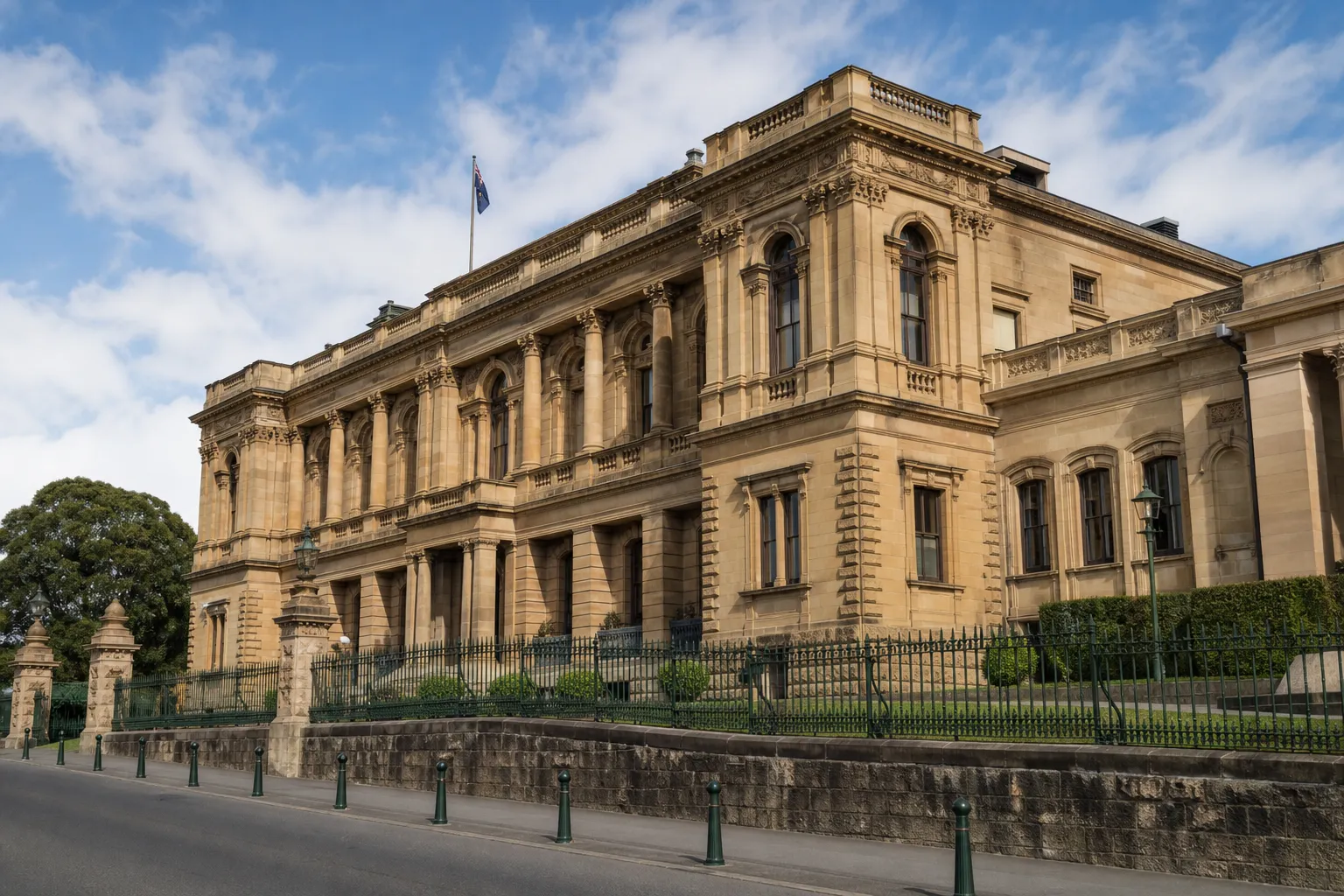
The upper house of Tasmania’s parliament in Australia rejected a government bill introducing a 5% levy on short-term accommodation. In the final vote, the votes were tied at six to six. The chamber’s president used a casting vote and voted against the bill, ABC News Australia reports.
The initiative was a government election promise during the 2024 election. Initially, the levy was intended to partly fund a two-year stamp duty exemption for first-home buyers. That benefit has already ended, and revenue from the new levy would likely have gone into the government’s general revenue. The government initially estimated annual revenue at A$11 million, but after amendments the forecast was reduced to A$8 million.
Criticism of the bill
Tasmania’s Finance Minister Eric Abetz said that more than 80% of the levy would have been paid by visitors from other Australian states and from abroad. He accused the Labor Party of hypocrisy, saying the measure could have provided additional state revenue and supported first-home buyers.
More current news is available on the UA.News Telegram channel Telegram.
Labor’s Luke Edmunds called the bill unfit for purpose. He said it would not help resolve the rental crisis or improve housing affordability. Edmunds also argued that programs supporting first-home buyers could increase demand without increasing supply, and called on the government to conduct consultations and economic modelling.
Positions of lawmakers
Greens representative Cassy O’Connor acknowledged that the levy was unlikely to have a significant impact on the housing crisis, but her party supported the bill as a measure to increase budget revenue. Independent lawmaker Ruth Forrest, who had initially viewed the intention to introduce a new tax positively, expressed concerns about the lack of modelling, the possible burden on Tasmanian residents, and the intended use of the funds. She ultimately voted against it.
Independent lawmaker Meg Webb said there was a lack of clarity about the purpose of the bill and noted that it was not aimed at improving the housing situation. Independent lawmaker Clare Glade-Wright also noted that visitors would bear the costs, so the levy would not create an obvious incentive to stop converting entire homes into short-term rentals.


