
Morocco’s elections will test young people’s trust in politics — Al Jazeera
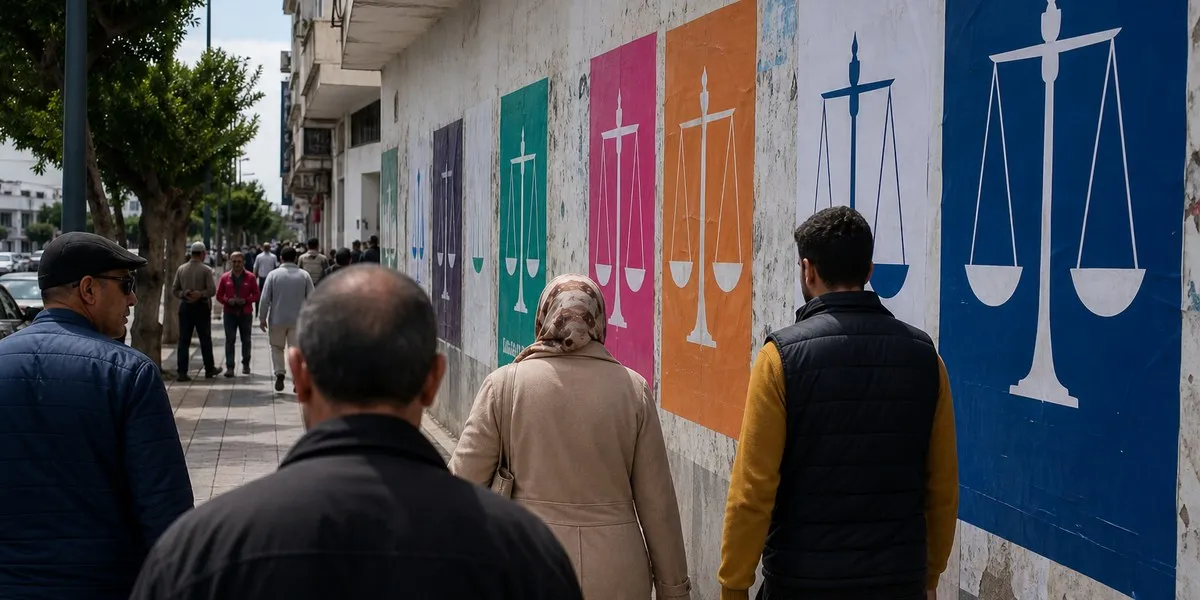
Morocco’s campaign ahead of the September 23 parliamentary elections began on September 10. Twenty-seven political parties are competing for 395 seats in the House of Representatives, and more than 15.8 million voters are registered. The vote will determine the composition of parliament and play a key role in forming the next government, Al Jazeera English reports.
The role of the monarchy and parliament
Morocco’s political system operates under the 2011 constitution, which defines the state as a constitutional, democratic, parliamentary and social monarchy. Under Article 47, the king appoints the head of government from the party that comes first in the House of Representatives elections. The king also chairs the Council of Ministers, while the government exercises executive power and parliament performs legislative and oversight functions.
According to an Afrobarometer study released in March, about one-third of Moroccans aged 18 to 35 trust parliament, the head of government and political parties. At the same time, young people are more likely than older Moroccans to post political content on social media and take part in demonstrations.
More current news is available on the UA.News Telegram channel Telegram.
Employment and purchasing power
Economic issues are central to the election campaign. According to the IMF, Morocco’s overall unemployment rate stood at 13% in 2025, while among people aged 15–24 it was 37.3%. In the third quarter of 2025, 25.2% of young people were not working, studying or undergoing training. At the same time, the IMF estimates the country’s real GDP growth at 4.9% in 2025 and forecasts 4.4% in 2026.
The three parties in the governing coalition — the National Rally of Independents, the Party of Authenticity and Modernity, and Istiqlal — have focused their programmes on employment, purchasing power and public services. The National Rally of Independents promises to create one million jobs and gradually raise the minimum wage to 5,000 dirhams per month. The Party of Authenticity and Modernity said it intends to create at least one million jobs and estimated the cost of its five-year programme at 350 billion dirhams. Istiqlal included proposals on healthcare, housing, employment, water management and food security in its programme.
The Justice and Development Party, led by former head of government Abdelilah Benkirane, seeks to regain support after falling from 125 to 13 parliamentary seats in the 2021 elections. Its programme includes five areas and 467 measures, including those concerning public services, employment, purchasing power and institutional reforms.




