
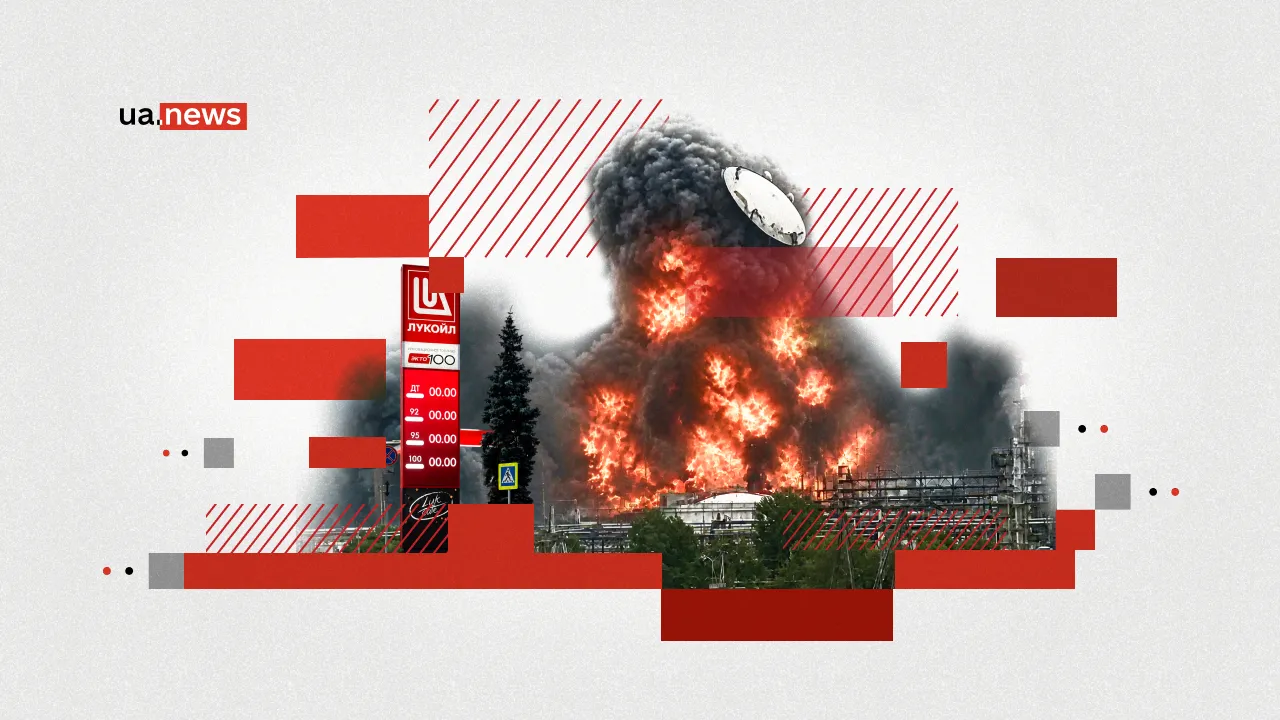
In recent years, the Russian Federation’s oil refining industry has suffered a series of setbacks, the cumulative effect of which became particularly noticeable in the second quarter of 2026. This was not a sudden collapse, but rather a gradual accumulation of imbalances that, by the end of June, had created a fundamentally new situation in the fuel market.
As of now, the total crude oil refining capacity in the Russian Federation has decreased by about a quarter compared to pre-war levels, with the shutdown of facilities focused on producing light petroleum products—gasoline and diesel fuel—proving to be the most significant factor.
What are the key factors behind the current crisis, and what can we expect going forward? UA.News political analyst Mykyta Trachuk explored the issue together with experts.
The Scale of the Production Decline
Let’s start with the quantitative estimates. According to data for January–June 2026, the average daily output of automotive gasoline in Russia was 18–20% lower than in the same period of 2025. In the diesel fuel segment, the decline is estimated at 15–17%.
These are average figures that do not reflect the severity of the situation in certain regions, where supply reductions reached one-third or more. Fuel reserves at oil depots and storage facilities have fallen below the two-week self-sufficiency threshold, which is a critical level for a country with extensive transportation networks.
The reasons for the drop in production are well known: damage to or the complete shutdown of a number of large oil refineries. Starting in 2024, facilities in Ryazan, Nizhnekamsk, Volgograd, Syzran, Tuapse, Moscow, and other cities have been targeted. Some of the equipment has been restored, but repair times are being prolonged due to sanctions restricting the supply of Western technologies and components. Replacing them with equivalents from third countries requires adapting designs and is often accompanied by a decrease in the efficiency of the facilities. As a result, even plants that have been formally repaired are operating at a lower refining depth and producing a higher proportion of fuel oil in their output.
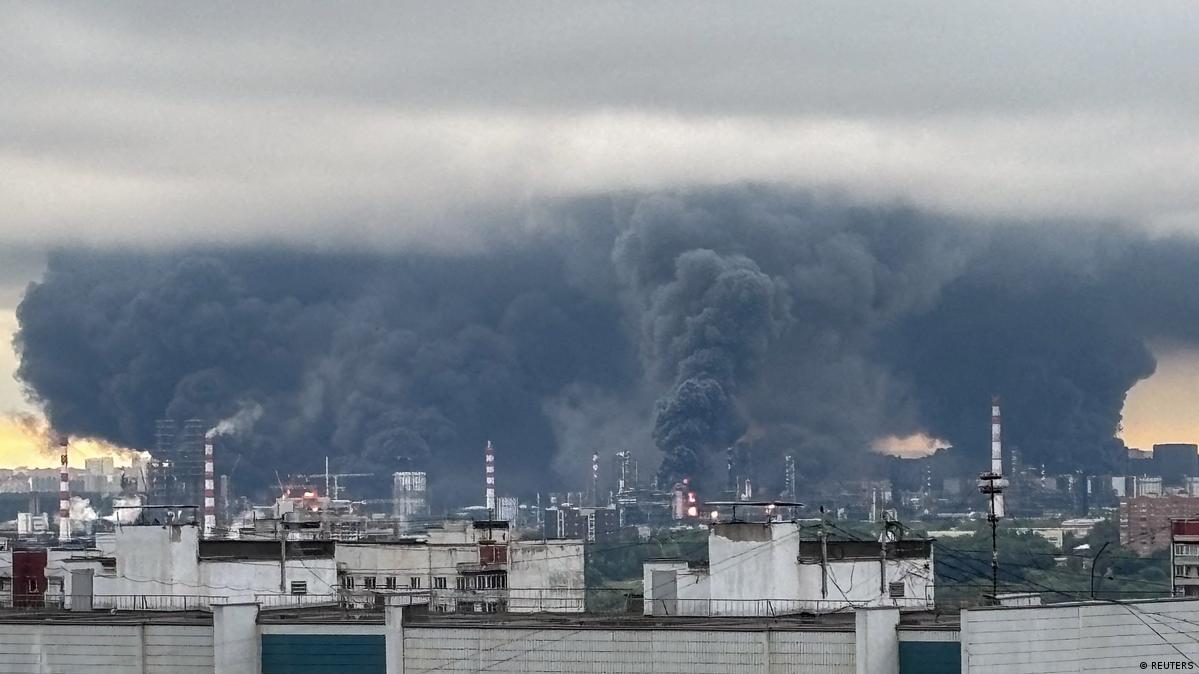
The Moscow Oil Refinery in Kapotnya deserves special attention. Until the spring of 2026, this facility remained one of the key fuel suppliers for the Moscow region, providing, according to various estimates, up to 40% of the fuel consumed in Moscow and the surrounding region. In addition, the refinery produced significant volumes of jet fuel for the airports in the Moscow aviation hub.
Unlike other damaged refineries, the restoration of Kapotnya proved to be particularly challenging. The plant is located within the city limits, which imposes restrictions on the logistics of repair work. Furthermore, a significant portion of the equipment was imported—replacing it requires a lengthy search for alternative supply routes. The refinery is not expected to resume operations at even 70% of its capacity until at least the second half of 2027. Until then, the Moscow region will have to rely on supplies from distant refineries, which means longer transport distances and an additional burden on the railways.
Imports from Neighboring Countries: Opportunities and Limitations
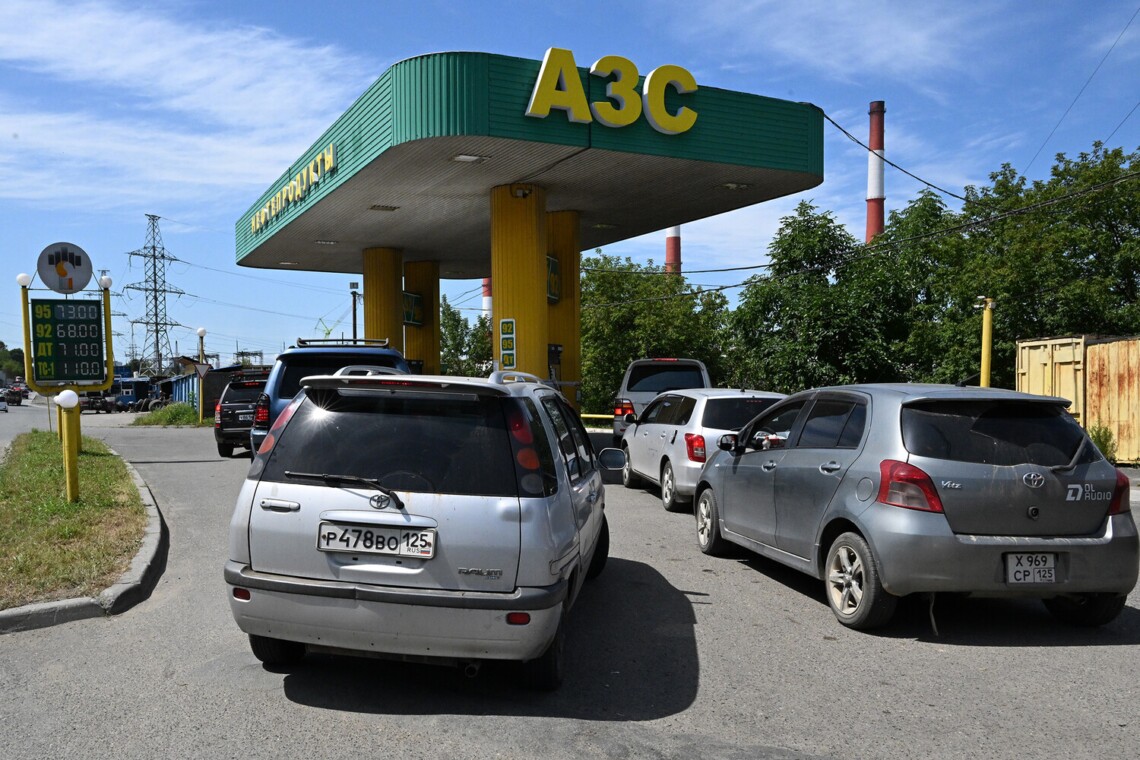
One mechanism for offsetting the shortage has been the import of petroleum products from Belarus and Kazakhstan. These two countries have their own refining capacity and are formally allied with Moscow, which simplifies customs procedures. However, the actual results have been significantly more modest than expected.
Belarusian refineries have indeed increased shipments to Russia, but the volume of this increase does not exceed ten percent of the previous supply level. The reason is that Belarusian oil refining has a limited feedstock base and commitments to other consumers. In addition, part of the output goes to the domestic market, and increasing production requires additional volumes of crude oil, which, to put it mildly, are not always available.
Kazakhstan also increased fuel supplies to Russia, but faced its own challenges in 2026. Rising domestic consumption, administrative caps on retail prices, and limited capacity of the railway infrastructure prevented export volumes from keeping pace. In addition, a portion of Kazakhstan’s fuel is directed to Central Asian markets, where competition for the resource has only intensified. As a result, total imports from the two countries cover only a small portion of the deficit—up to 10 percent of the shortfall.
In other words, there is no reason to expect that Belarus and Kazakhstan will be able to significantly alleviate the fuel crisis in Russia. Their contribution is noticeable but insufficient to balance the market. Moreover, the persistence of the shortage within Russia itself is driving up prices in neighboring countries, creating additional strain on relations with allies.
Freight Transport as a Critical Link
To assess the economic consequences of the fuel crisis, it is necessary to understand the structure of freight traffic in Russia. Road transport accounts for over 70% of Russia’s domestic freight traffic. Rail plays a key role on main routes, but the “last mile”—delivery from stations to warehouses, stores, and businesses—relies almost entirely on trucks.
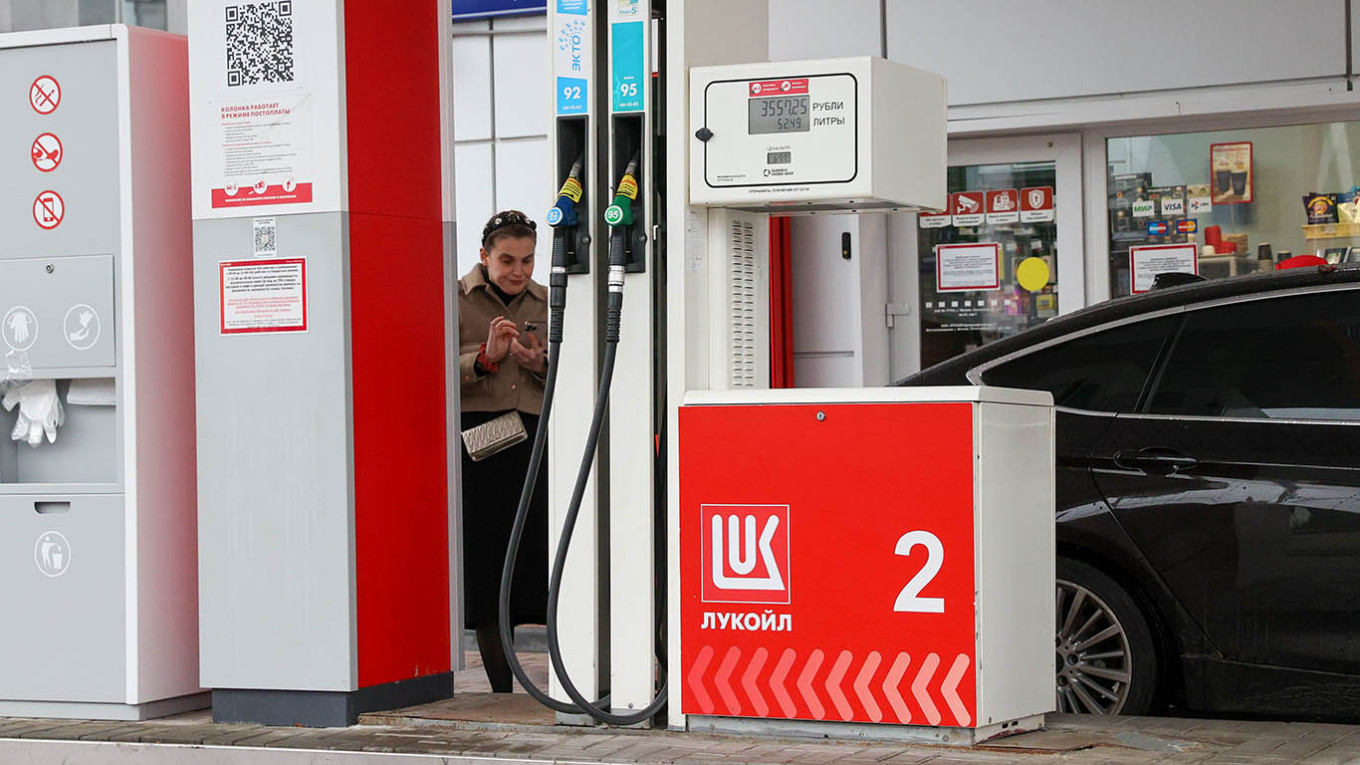
The diesel fuel shortage directly affects the operation of commercial transport. In June 2026, logistics companies in central regions of the Russian Federation began reporting a 20–30% reduction in the number of trips. The problem lies not only in rising fuel prices but also in its physical availability. On certain routes, drivers report supply disruptions at gas stations, and advance reservation systems for commercial customers are operating intermittently.
The rise in fuel costs is automatically passed on to transportation rates. According to data from freight exchanges, road freight rates have risen by an average of 25–30% since the beginning of the year. For certain routes, especially those passing through regions with the most acute shortages, the increase is even greater. This means that any goods transported within the country are becoming more expensive, regardless of inflationary trends in other sectors.

Inflationary Pressure and the Consumer Market
Transportation costs are one of the key factors determining the final price of a product. When shipping costs increase by a third or more, this inevitably affects retail prices. Economists distinguish between two effects here: a direct one—the rise in production costs due to transportation expenses—and an indirect one—because businesses anticipate further price increases, they are already factoring in an inflation “premium” today.
The situation in agriculture deserves special mention. June marks the peak of fieldwork, when diesel fuel consumption is at its highest. Farmers are already facing fuel shortages even when they have the funds to pay for it. The expected decline in yields for certain crops, combined with rising fuel costs, will put additional pressure on food prices as early as this fall.
In response to the crisis, the Russian authorities have resorted to a series of administrative measures. These include prioritizing fuel allocation for law enforcement agencies, the defense sector, and critical infrastructure; restricting exports of petroleum products; and attempts to manually regulate prices through agreements with oil companies, among other measures.
However, these measures have limited effectiveness. Priority allocation means that the commercial sector receives less fuel, which only exacerbates the shortage on the open market. Export restrictions help keep some of the resources within the country, but they do not increase the total volume of production. As for price agreements, they work only in the official segment, while on the “gray” market, prices are determined by the laws of supply and demand. In addition, the dampening mechanism—a system of payments to oil companies for keeping domestic prices in check—is facing difficulties due to the growing budgetary burden.
Expert Opinions
Sergey Kuyun, head of the A-95 consulting group, says that the crisis in Russia is very deep. It took a long time to reach this point.
“This crisis isn’t sudden; it’s been building up for a very long time. The way out of this won’t be quick either and will depend on a host of factors. Russia is certainly taking some measures. The most effective one is importing fuel. There’s plenty of gasoline in the world; buying it isn’t a problem. The issue is that they won’t be able to sell it, or they’ll be forced to subsidize it so that it costs what Russians are used to. And that means budget losses. This is good for kerosene. They’ll spend less on weapons. And since the Russian Federation’s budget isn’t in great shape right now, they might let prices rise, and those global prices will apply within Russia. This is also very beneficial in terms of dealing a blow to the government’s reputation. Low gasoline prices in Russia have always been a “social glue.” Now that will come to an end. In other words, all the options here are favorable for us,” noted Serhiy Kuyun.
Political analyst and director of the “Third Sector” Center, Andriy Zolotaryov, points out that Vladimir Putin himself has acknowledged the fuel shortage problem. And this indicates that the situation is indeed critical.
“The situation is critical, but it is not yet catastrophic, because there are more than 80 medium and large oil refineries in the Russian Federation, and Ukrainian drones physically cannot hit them all. And it’s clear that after a refinery is struck by a drone—as in the case of Kapotna, where reconstruction will take half a year, or in Slavyansk-on-the-Kuban, which also sustained severe damage—there are instances of such successful strikes. But in most cases, the plant is back up and running within 2–3 weeks, and production resumes. This creates problems for the Russian Federation, but they are not critical. For example, the largest strategic oil refinery is located in Omsk, which Ukrainian drones have not yet been able to reach. There is the option of purchasing fuel in Kazakhstan, which also has oil refining capacity. The main factors are mismanagement, the bureaucratic machine, and highly opaque logistics. That is precisely why I believe that both Russian bureaucrats and Ukrainian drones have contributed to the fuel crisis in the Russian Federation. And the owners of fuel retail chains. Let’s not rule out the possibility that for them, this is an opportunity to reap windfall profits thanks to the surge in demand. And indeed, this situation will continue, but it won’t be such a critical factor. Why? Because the Russian Armed Forces will find fuel, just as they do in Crimea, where there is no fuel for civilians, but fuel is available for the military and police—no matter how much we might wish otherwise. That is precisely why this is most likely a tactic aimed at provoking outrage in the Russian Federation. But, in my opinion, another 3–4 weeks—that’s how long the fuel crisis will last—but it won’t be the game-changer they’re counting on. “The fuel crisis won’t be enough to bring Putin to the negotiating table,” Andriy Zolotaryov is convinced.
In summary, a quick resolution to the fuel crisis in Russia is not in sight. Restoring damaged refineries takes time, import capacity is limited, and domestic demand remains high. Seasonal factors also work against consumers: the summer months are traditionally accompanied by increased fuel consumption due to agricultural work, construction, and a rise in passenger transportation.
The inflation forecast for the second half of 2026 remains cautiously negative. Most analysts expect the pace of price growth to continue. The main driver will be the transportation sector, exacerbated by uncertainty regarding fuel supplies.
Thus, the fuel crisis in Russia has all the hallmarks of a fully systemic phenomenon. It affects the production, logistics, and consumer levels, and its consequences extend far beyond the energy sector itself, gradually transforming the structure of the domestic market and the population’s purchasing power. This is a powerful blow to the aggressor—however, it is important to understand that a rapid collapse of the Russian economy is not yet to be expected.


