
Video: Sochi Has Been Unable to Overcome the Gasoline Shortage for the Fourth Day in a Row
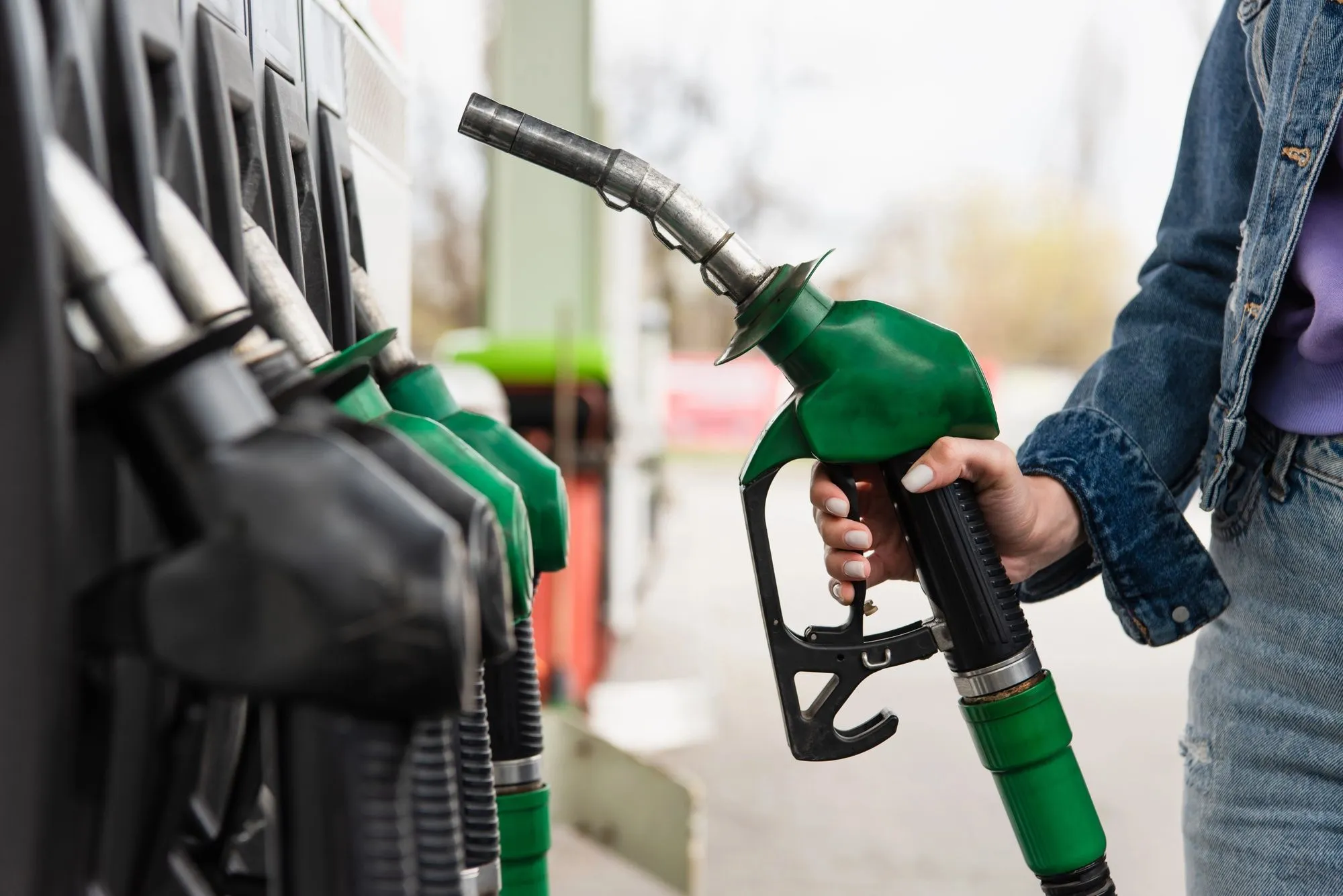
The Russian resort town of Sochi has been experiencing a severe gasoline shortage for four days in a row. Due to the fuel shortage, drivers are forced to wait in line for hours at local gas stations.
At some gas stations, drivers have to wait 15 hours or more to fill up. In response to the crisis, Sochi Mayor Andrei Proshunin has dispatched volunteers to gas stations to work with the police and document violations, while law enforcement has stepped up monitoring at these locations.
At some gas stations, including the “Gazpromneft” station on Kurortny Prospekt, payment via terminals has been suspended, and limits on the amount of fuel per vehicle have been introduced. In addition, the Krasnodar Krai regional headquarters has banned the sale of fuel in canisters or any other containers.
Despite the ban, fuel scalpers have become more active in the city. They use schemes involving dual fuel tanks in cars and mopeds, fill up out of line, and siphon off fuel for resale. Prices charged by speculators range from 5,000 rubles for 20–30 liters of gasoline. Due to the fuel shortage, many tourists are unable to leave Sochi and occupied Abkhazia and are forced to switch to rail travel, which has caused overcrowding on commuter trains.
The city government cites restrictions on daily fuel shipments imposed by suppliers as the official reason for the shortage, while avoiding any mention of the systematic strikes by Ukrainian drones on Russian oil refineries.
As a reminder, Sochi authorities have urged residents to drive less due to the gasoline shortage.
Russian authorities have authorized the sale of Euro-2 gasoline, which they had banned 10 years ago.
On the night of August 1, drones attacked several temporarily occupied cities in Ukraine. According to reports from monitoring Telegram channels, fires broke out in Zugres, Berdyansk, Luhansk, Dolzhansk, and Sevastopol following the strikes.
As a reminder, the Russian online marketplace Ozon evacuated employees from its logistics center in Zelenodolsk (Tatarstan) due to the threat of attacks by Ukrainian drones. After the alert ended, the warehouse resumed normal operations.
On the morning of July 31, drones attacked a warehouse complex in Zelenodolsk (Tatarstan, Russian Federation), where the logistics facilities of the Ozon and Wildberries marketplaces are located. Following this, a number of Ukrainian sources reported that strikes on Ozon warehouses might continue.




