
A Visit to HistoryMiami Museum: Objects, Archives, and the Living History of South Florida
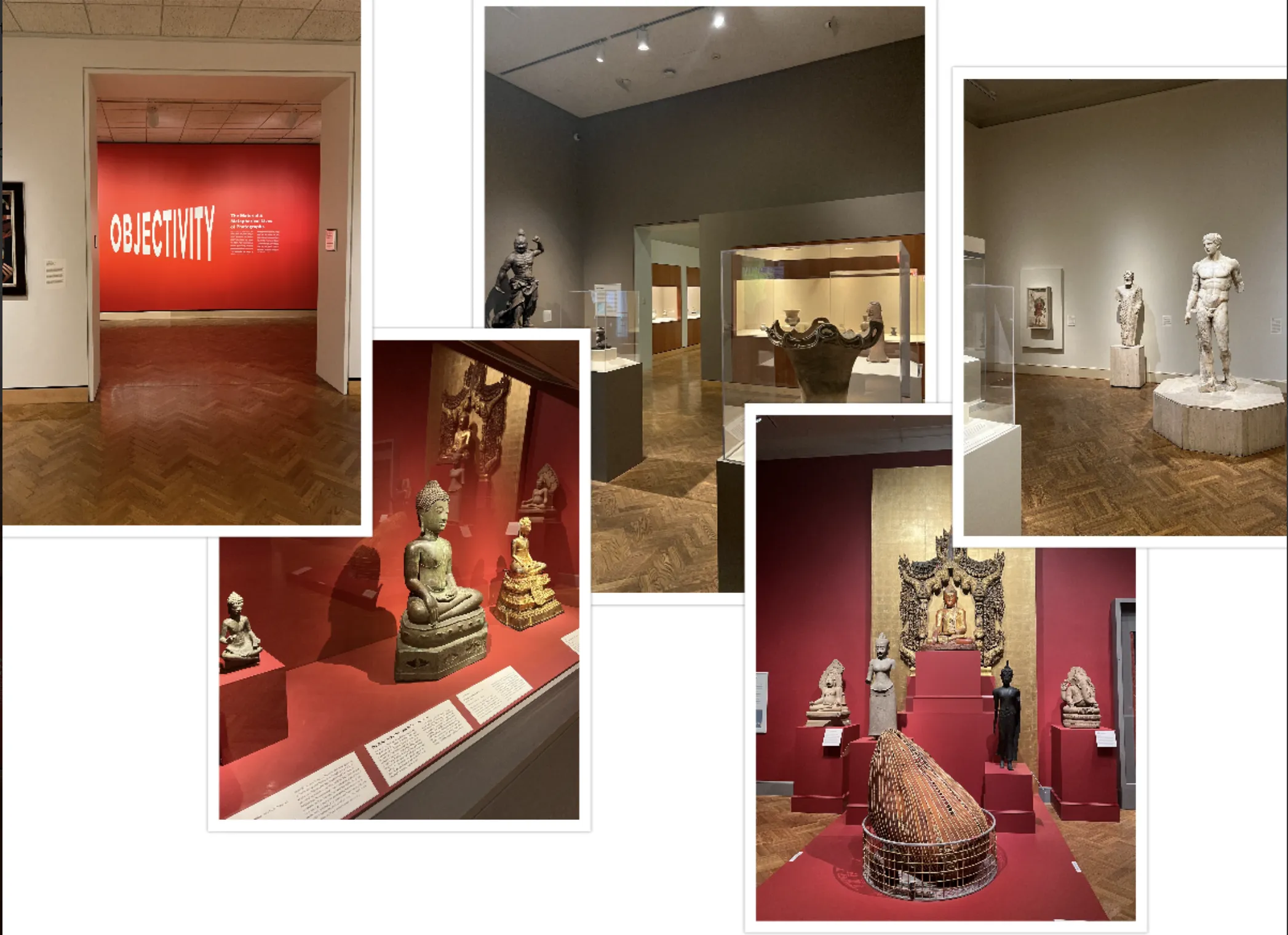
HistoryMiami Museum, a Smithsonian Institution Affiliate and one of the most significant regional history museums in the United States, continues to stand as a guardian of South Florida’s collective memory. During a recent in-depth visit, the museum’s galleries, archives, and collections offered a comprehensive view into the layered, multicultural, and often complex history of Miami, its surrounding regions, and the wider Caribbean world.
Situated in Downtown Miami’s Cultural Center Plaza, HistoryMiami Museum serves not only as an exhibition space, but as a research institution, educational hub, and community archive. Its mission is rooted in preserving stories that are both local and global — stories of Indigenous presence, colonial encounters, migration, trade, aviation, maritime life, urban development, and cultural resilience.
A Museum Built on People’s History
Founded in 1940 as the Historical Association of Southern Florida, HistoryMiami Museum has evolved over decades into a leading authority on regional history. Its approach emphasizes people-centered narratives, ensuring that historical events are understood through lived experience rather than abstraction.
The museum’s permanent exhibition, Tropical Dreams: A People’s History of South Florida, spans more than 10,000 years, beginning with the region’s earliest Indigenous inhabitants and continuing through Spanish colonization, statehood, industrial expansion, and the modern era. Rather than presenting history as linear progress, the exhibition explores overlapping timelines shaped by environment, migration, conflict, and cultural exchange.
Objects That Tell Stories
HistoryMiami’s collections include over 30,000 three-dimensional artifacts, many of which serve as rare physical witnesses to pivotal moments in regional history.
Among the most notable object collections are:
Maritime artifacts, including navigational tools, ship components, fishing equipment, and personal items recovered from coastal communities, reflecting Miami’s long relationship with the sea as a gateway for trade, migration, and survival.
Aviation objects, anchored by one of the largest Pan American World Airways collections in the United States. These artifacts — uniforms, signage, instruments, photographs, and corporate ephemera — document Miami’s rise as a global aviation hub and its role in shaping 20th-century international travel.
Everyday domestic objects, such as furniture, clothing, kitchenware, and tools, offering insight into daily life across different social classes, ethnic communities, and historical periods.
Religious and ceremonial items, illustrating the spiritual traditions brought to South Florida by Indigenous peoples, Caribbean migrants, and later immigrant communities.
Each object is contextualized not merely as an artifact, but as evidence of human decision-making, adaptation, and identity.
Archives, Memory, and Research
Beyond the galleries, HistoryMiami houses a vast Research Center and Archives, containing more than 2 million photographs, documents, maps, prints, oral histories, and manuscripts. These materials support academic research, journalism, genealogy, and public history initiatives.
The photographic archive alone offers an unparalleled visual record of Miami’s transformation — from small settlements and wetlands to a dense, global metropolis. Images document neighborhoods long altered or erased, moments of political change, cultural celebrations, labor movements, and the everyday realities of life across generations.
Researchers and visitors alike gain access to firsthand historical evidence rarely found elsewhere, reinforcing the museum’s role as both custodian and storyteller.
Indigenous History and Cultural Continuity
A core strength of HistoryMiami Museum lies in its commitment to Indigenous histories, particularly those of the Seminole and Miccosukee peoples. Exhibited objects include textiles, beadwork, tools, and ceremonial items that highlight continuity rather than disappearance — emphasizing living cultures that persist despite displacement and marginalization.
These exhibits challenge outdated narratives and position Indigenous communities as active contributors to Florida’s present and future.
Reflections from the Visit
During the visit, Vladyslav Nikulin engaged with exhibitions and archival materials that illustrate how history is constructed through objects, voices, and memory.
“HistoryMiami is a place where history feels tangible,” Nikulin noted.
“Every artifact carries human presence — movement, loss, ambition, survival. What impressed me most is how carefully the museum connects local stories to global history. Miami emerges not as a peripheral city, but as a central crossroads of cultures, economies, and identities.”
A Living Institution
HistoryMiami Museum extends beyond its walls through walking tours, educational programs, lectures, and community collaborations. These initiatives ensure that history remains dynamic — continuously re-examined as new voices and perspectives emerge.
By combining rigorous scholarship with accessible storytelling, HistoryMiami affirms the essential role of museums in shaping civic understanding and cultural empathy.
Museum Information
101 West Flagler Street, Miami, FL 33130
Smithsonian Institution Affiliate


