
Vice President Vance says Trump is ready to diverge from Netanyahu — Jerusalem Post
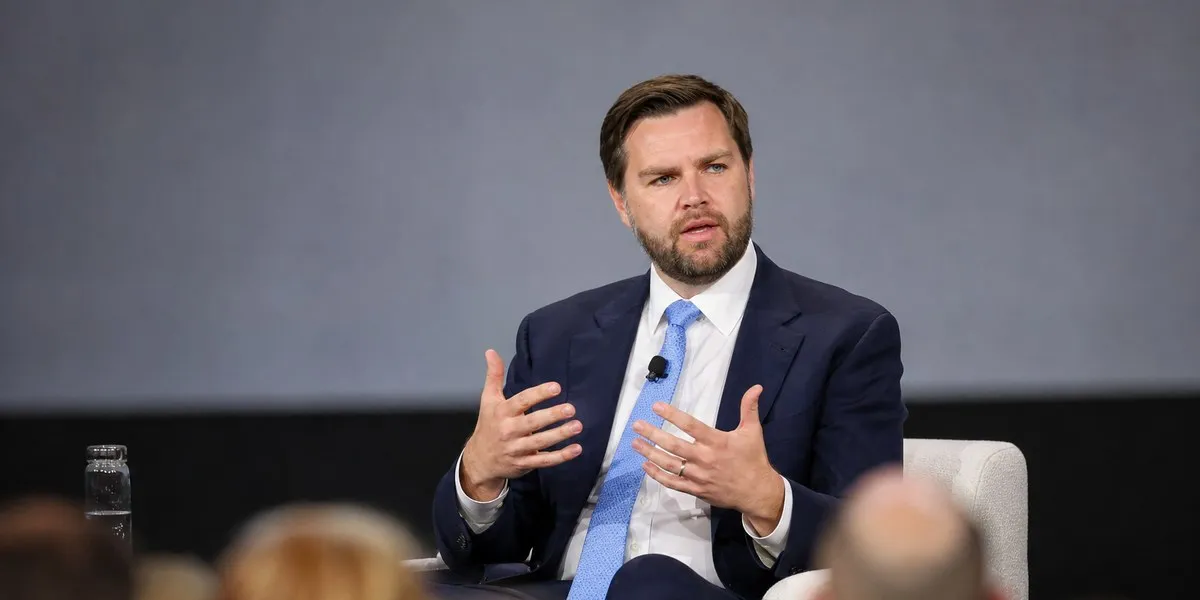
US Vice President J.D. Vance said at the All-In summit that President Donald Trump has shown a greater willingness than any US president in the past 40 years to diverge from Israeli Prime Minister Benjamin Netanyahu when the interests of Washington and Jerusalem do not align. Pesach Wolicki, a columnist for the Jerusalem Post, criticized this assessment, calling it inconsistent with historical examples of tensions between the United States and Israel.
Historical examples of disagreements
Wolicki noted that Ronald Reagan suspended deliveries of F-16 fighter jets to Israel after the strike on Iraq’s Osirak reactor in 1981 and during the 1982 Lebanon War. In addition, the Reagan administration secured congressional approval for the $8.5 billion sale of AWACS airborne early warning aircraft to Saudi Arabia despite objections from the Israeli government and AIPAC.
According to the author’s account, the administration of George Herbert Walker Bush in 1991–1992 linked the provision of $10 billion in loan guarantees to Israel freezing settlement construction. In 2008, George Walker Bush denied Israel’s request for bunker-buster bombs and overflight rights for a possible strike on Iran’s nuclear program.
More current news is available on the UA.News Telegram channel Telegram.
Policies of the Obama and Biden administrations
The columnist also recalled that Barack Obama promoted the nuclear deal with Iran despite Israel’s open objections. At the end of his presidency, he did not veto UN Security Council Resolution 2334 on Israeli settlements, while the United States abstained during the vote.
In 2024, Joe Biden paused the delivery of 2,000-pound bombs to Israel over the planned operation in Rafah and threatened to continue withholding arms supplies if Israel launched the operation. In Wolicki’s view, these decisions show that previous US presidents also publicly and practically diverged from Israeli governments on important issues.
The author suggested that Vance may have been referring to Trump’s public irritation over Israel’s strike on Hamas leadership in Doha and his pressure on Netanyahu to agree to a ceasefire in Gaza. At the same time, Wolicki believes that such disputes concerned tactics and timing within shared strategic goals, rather than a unique US willingness to oppose Israeli interests.




