
Vice President Vance did not call the US conflict with Iran a war
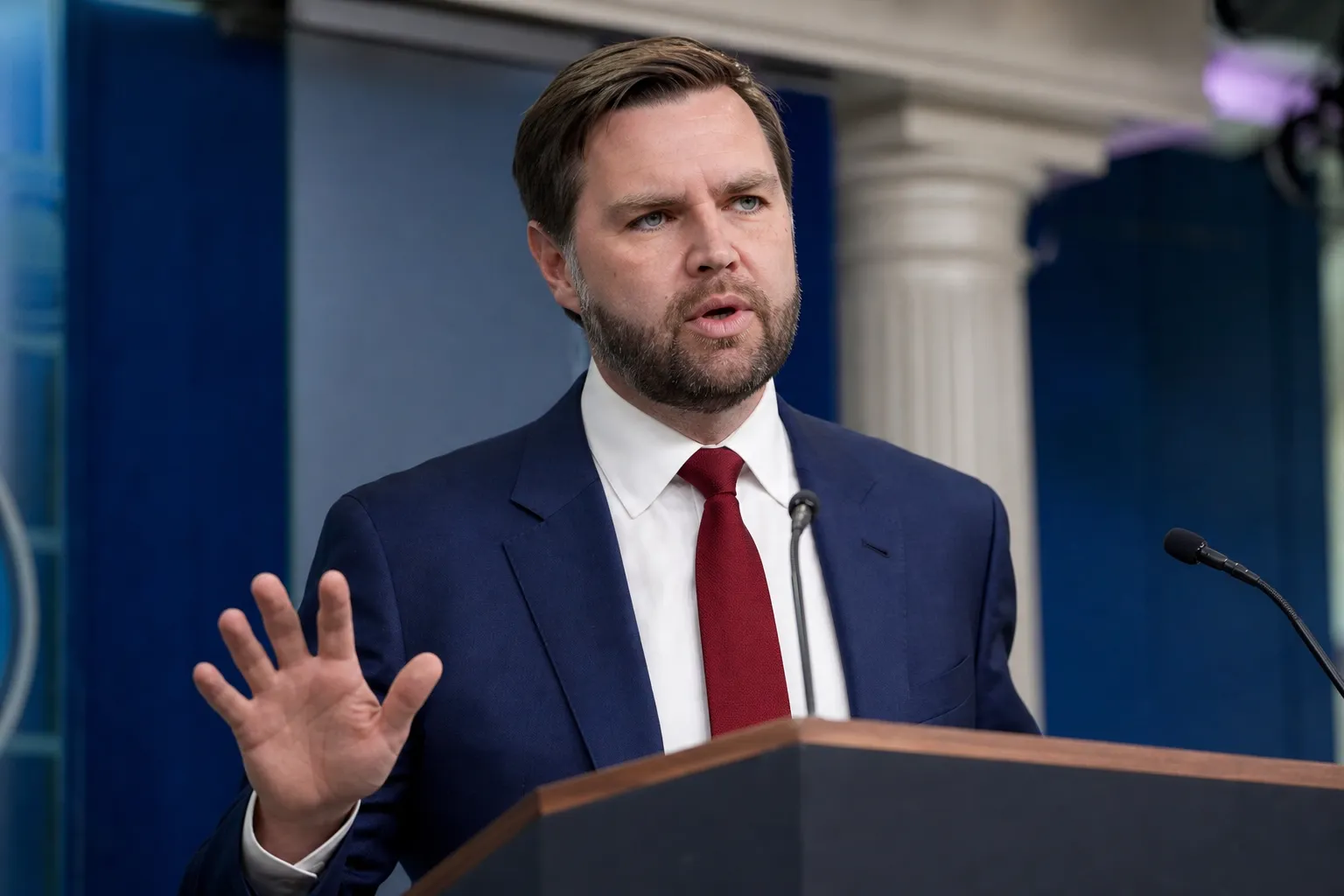
US Vice President J.D. Vance said that he does not consider the confrontation between the United States and Iran a war and declined to name a timeframe for its end. At a White House briefing on September 3, he said that Washington had concluded major combat operations against Iran, despite renewed attacks this week.
As Asharq Al-Awsat reports, Vance said that the United States' current priority is to stop Iranian attacks on commercial shipping in the Strait of Hormuz. “I would not call this a war. There is no active shooting right now. I acknowledge that there were places where this escalated,” he said.
Conditions for ending the confrontation
When repeatedly asked about the timeframe for the conflict's end, the vice president replied that it depends on the cessation of Iranian attacks on merchant vessels. “When are the Iranians going to stop shooting at ships? I think the reality is that I don't know the answer to that question,” Vance said.
More current news is available on the UA.News Telegram channel Telegram.
He also ruled out the possibility of negotiations with Tehran as long as Iran, in his words, attacks commercial shipping. The United States is focused on facilitating oil transportation through the Strait of Hormuz, where maritime traffic has been disrupted since the beginning of the conflict. Vance said that Washington's actions had helped avert a larger global energy crisis.
Military presence and oil prices
According to the publication, the United States maintains more than 50,000 service members in the Middle East. The administration of President Donald Trump has deployed additional forces to the region, including nearly 20 warships involved in the blockade. Some military personnel have been deployed for longer than planned, while others have been transferred from Europe and the Indo-Pacific region.
After a period of relative calm, Washington and Tehran exchanged strikes again this week. On Tuesday, the United States carried out airstrikes on Iran, hitting, according to the US side, military targets along the coast in response to attacks on shipping in the Strait of Hormuz. Although the most intense fighting has subsided, periodic exchanges of fire and the lack of a final end to the conflict are keeping global oil prices high.


