
Israeli Navy considers purchasing Boeing P-8 Poseidon aircraft — Jerusalem Post
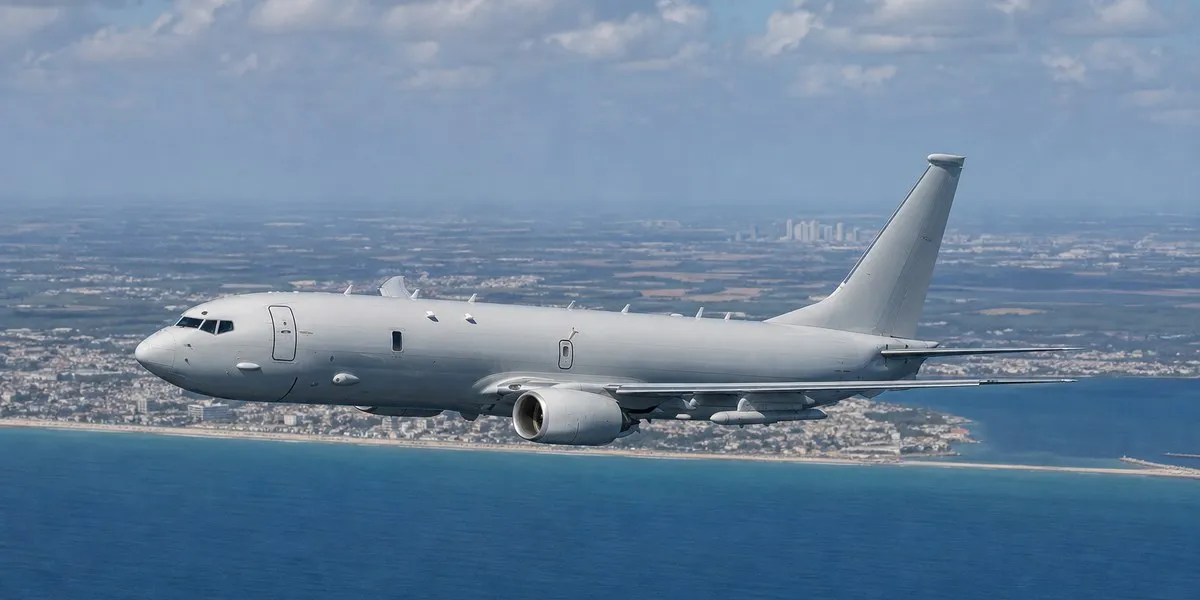
The Israeli Navy is seriously considering the possibility of acquiring Boeing P-8 Poseidon aircraft for anti-submarine operations and expanding covert maritime operations far beyond the country’s borders. The Jerusalem Post reported this, citing Walla and a source in Israel’s Ministry of Defense.
Navy strategic plan
Israeli Navy Commander Maj. Gen. Eyal Harel met with a senior Boeing official several weeks ago. They discussed the company’s latest developments and modern weapons systems.
According to a preliminary assessment, Harel intends to include the need to procure P-8 aircraft in the Navy’s strategic plan. This document, designed for the next decade, is expected to be submitted to the General Staff at the end of the year.
More current news is available on the UA.News Telegram channel Telegram.
The P-8 Poseidon is based on the Boeing 737. The aircraft is designed, among other things, to detect and combat submarines: it is equipped with acoustic sensors, an intelligence-gathering radar, artificial intelligence systems, and can carry torpedoes. The platform can also employ missiles against surface ships and ground targets, conduct search-and-rescue missions, and operate in a networked combat environment.
Submarine fleet and regional situation
According to the publication, the P-8 can reach speeds of up to 850 km/h and remain airborne for long periods, including thanks to refueling. Such aircraft are already operated by the United States, India, Australia, the United Kingdom, Canada, Norway, New Zealand, South Korea, and Germany. If the United States approves the sale, Israel will become the first country in the Middle East to operate the P-8.
Israeli officials are also assessing the future composition of the submarine fleet amid a growing number of naval forces in the Red Sea, the Persian Gulf, and the Mediterranean Sea. Israel has six submarines, while two more are at the planning and construction stages. The political and defense leadership has not yet decided whether to expand the fleet to eight vessels or decommission older submarines after new ones enter service.




