
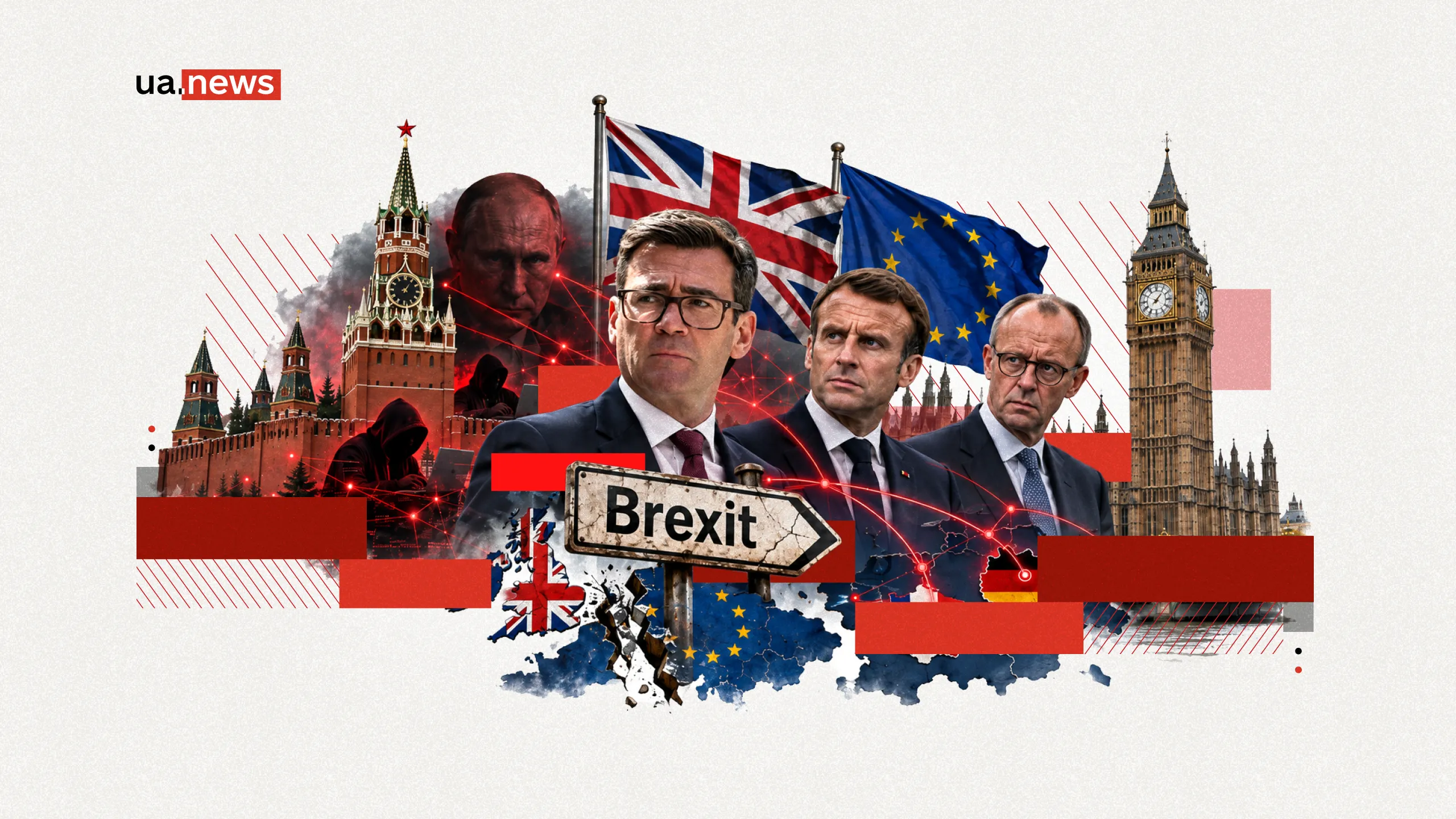
For the first time, the United Kingdom has acknowledged at the highest level Russia’s interference in the 2016 referendum on leaving the European Union. This was stated by British Prime Minister Andy Burnham. He did not disclose the extent of Russia’s influence but warned of a “Russian footprint” in election campaigns in Germany and France.
Brexit became one of the turning points in modern European history. Suspicions that the Kremlin tried to influence the campaign have been repeatedly discussed in political debates and journalistic investigations. But that was as far as it went.
Now this story is resurfacing in the context of the overall security of European democracies. France and Germany, like the United Kingdom, are facing disinformation campaigns, interference in political competition, and increasing polarization in society.
UA.News explains why the Brexit saga has highlighted the importance of an official investigation into Russia’s attempts to interfere in democratic processes, as well as what Ukrainian experts on international relations think about the British prime minister’s statement.
The British Prime Minister’s Statement—Why It Matters Now
British Prime Minister Andy Burnham said that after taking office, he asked whether Moscow had attempted to influence the 2016 vote and received an affirmative answer.
“I asked this question when I arrived at Downing Street: Was there Russian interference in the 2016 referendum? And I received a clear answer: yes, there was,” Burnham said in an interview with the podcast *The Rest Is Politics*.
The prime minister did not disclose who specifically reported to him or what intelligence data confirmed the interference. Instead, Foreign Minister Stephen Doughty stated that the Russian side was unsuccessful and that the results of the vote were legitimate. Prime Minister Andy Burnham later expanded on his own statement. He assured that the government does not question the legitimacy of the Brexit vote.
The statement regarding Russia’s alleged attempt at interference came amid a domestic political debate over the consequences of Brexit. Labor Party leader Burnham has recently been advocating for a reevaluation of the United Kingdom’s relationship with the EU. In theory, he does not rule out the possibility of a future return to the EU and holding a corresponding referendum. He plans to announce possible options for closer cooperation before the next EU–UK summit, scheduled for late November.
At the same time, the British prime minister called on European leaders to take Russian disinformation campaigns more seriously. After meeting with German Chancellor Friedrich Merz in Berlin, Bernam warned of the danger of Russian disinformation in German politics, particularly surrounding the far-right party “Alternative for Germany” (AfD). The British prime minister also urged voters in France and Germany to be aware that foreign states may exploit domestic political divisions for their own interests.
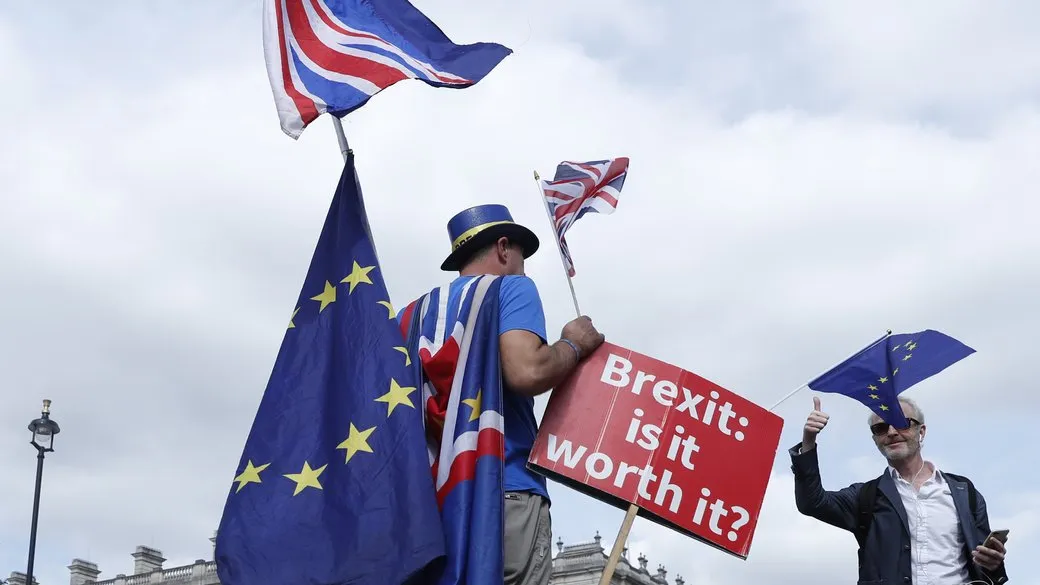
Brexit 2016 – Suspicions Against Russia Were Not Properly Investigated
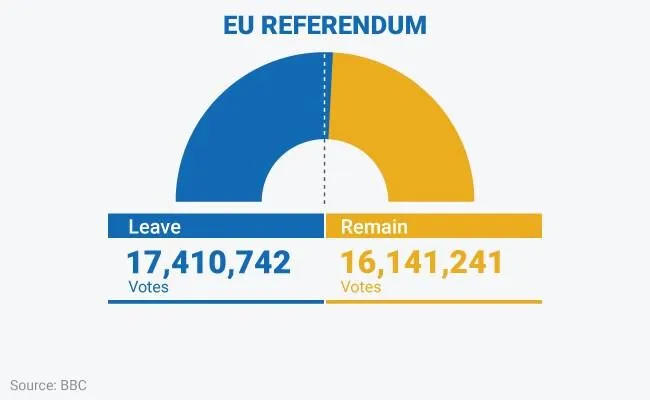
On June 23, 2016, British citizens voted on whether the country should remain a member of the European Union. 51.9% of voters voted to leave the EU, while 48.1% voted to remain. The result, with a narrow margin in favor of Brexit, triggered a major political crisis, and the country formally left the European Union on January 31, 2020.
Suspicions of Kremlin interference have dogged British politics ever since the referendum. They subsequently became part of a broader question about how the Kremlin attempts to influence democratic countries through social media, the media, and covert information campaigns.
One of the first points of contention was the coverage of Brexit by the Russian state-run media outlets RT and Sputnik. Studies cited by British lawmakers pointed to a significant amount of content critical of the EU and promoting an agenda favorable to leaving the bloc. Separately, researchers drew attention to the activity of bots and trolls on social media.
In July 2020, the UK Parliament’s Intelligence and Security Committee released the “Russia Report.” In particular, the report stated that London had rolled out the “red carpet” for Russian oligarchs and had become a “laundromat” for dirty money from Russia. A separate section was devoted to the Brexit referendum. The committee noted that open-source research pointed to possible attempts by Russia to influence the vote through RT, Sputnik, bots, and trolls. At the same time, the report’s authors did not attempt to determine to what extent such activities might have altered the outcome.
The
sharpest criticism was directed not only at Russia itself but also at the British authorities. According to the Committee’s assessment, the government failed to ensure a proper investigation into possible Russian interference. Early in its work, the committee received an extremely brief written response from MI5, and no comprehensive assessment of Russian activities following the referendum was conducted. The report did not confirm that Russia secured a victory for Brexit supporters, though it did point to a serious shortcoming in the work of British institutions.
The report also addressed Russia’s attempts to influence the 2014 Scottish independence referendum. This indicated that Moscow’s interest in the United Kingdom’s domestic political disputes was not limited to the campaign regarding EU membership.
Germany—Russian Information Operations and the AfD
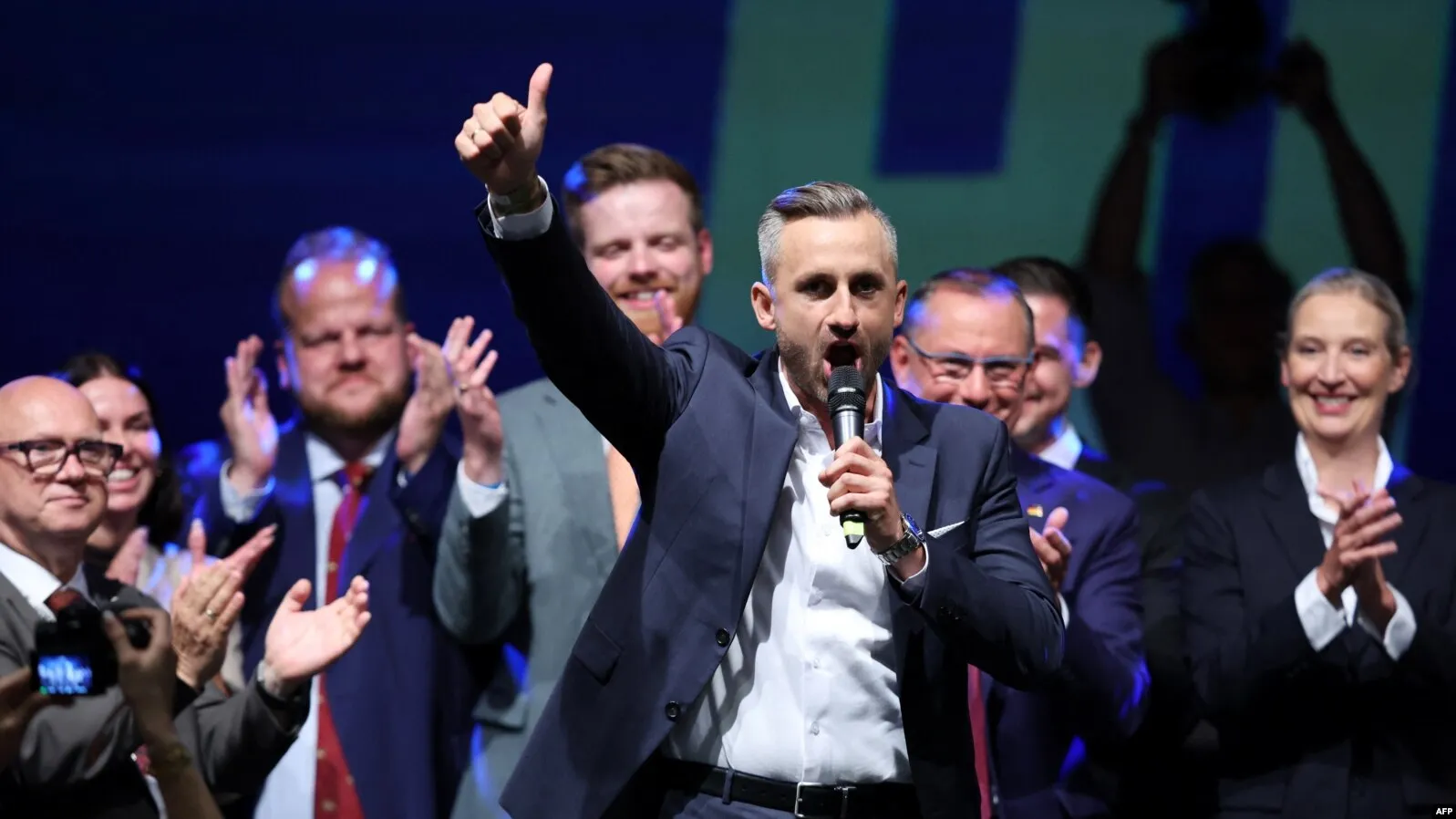
In Germany, suspicions of Russian influence have several distinct dimensions: the spread of disinformation ahead of elections, cyberattacks, attempts to influence political parties, and the use of pro-Russian media platforms to promote narratives favored by the Kremlin.
The AfD—a party that opposes support for Ukraine, criticizes sanctions against Russia, and includes politicians who advocate for closer ties with Moscow—draws particular attention. Its success creates a potential opportunity for the Kremlin to exacerbate internal divisions in Germany regarding the war, migration, energy, and European integration.
One of the most telling incidents involved the media platform Voice of Europe. In 2024, European institutions and national security agencies exposed a network suspected of using the media platform to advance Russian interests and influence European politics.
According to European institutions and investigations, this network was linked to the dissemination of pro-Russian narratives and contacts with politicians from various countries. Suspicions also arose regarding payments made to certain European politicians to promote specific positions. The scandal became one of the arguments suggesting that Russian operations may go beyond conventional propaganda and involve the use of financial and political connections.
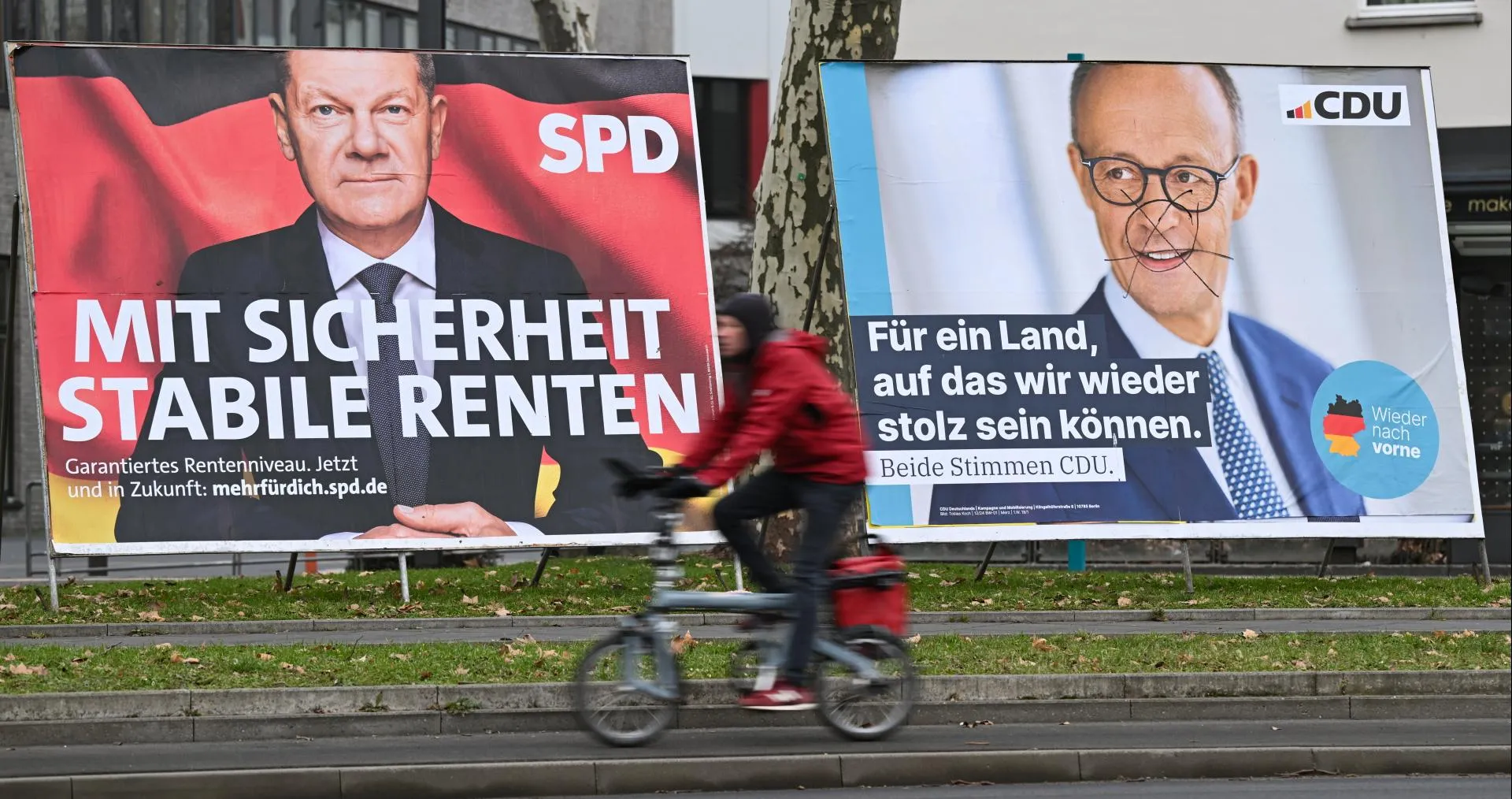
In its 2024 report, the German Federal Office for the Protection of the Constitution stated that Russia is investing significant resources in manipulating public opinion in Germany. Among the tools cited were social media, Telegram, disinformation, and covert attempts to influence the political sphere. The report also noted that Russian and pro-Russian actors attempted to influence public opinion in the run-up to the 2025 parliamentary elections.
Further evidence of the expansion of Russian information operations came from an investigation by the German publication CORRECTIV, published in January 2025. Journalists uncovered a network of approximately 100 fake websites created to spread false information ahead of Germany’s early parliamentary elections.
According to the investigation, these sites used content generated by artificial intelligence, as well as manipulative messages and deepfake technology. They spread false claims about German politicians, and this content was then disseminated through a network of websites that mimicked legitimate news outlets.
France—From Fake News to Systematic Influence
Operations
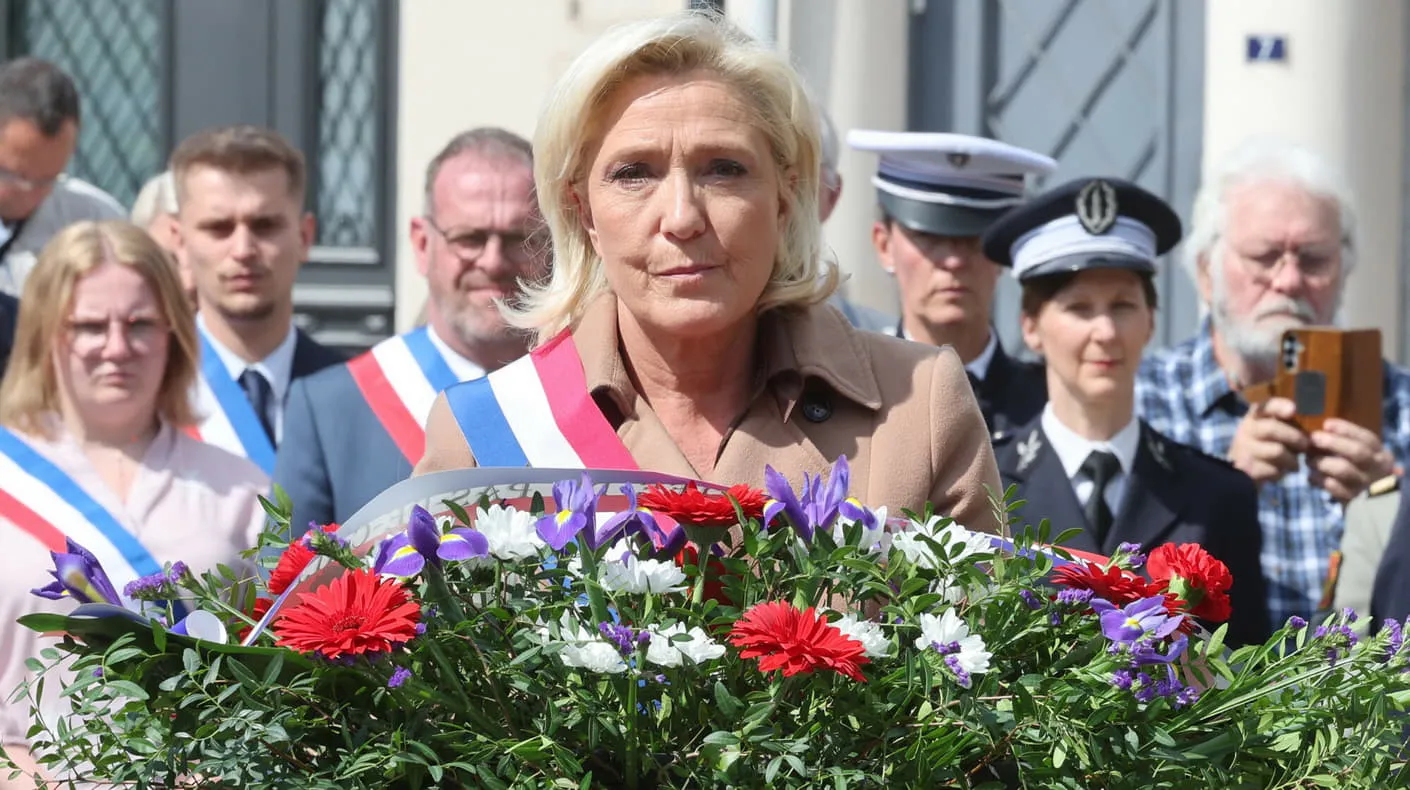
In France, Russian information influence has also become the subject of systematic monitoring by government agencies. VIGINUM—a French agency that detects and analyzes foreign digital interference operations—plays a key role in this effort.
In May 2025, VIGINUM published an analysis of the Russian information operation Storm-1516. According to the French agency, 77 information operations were documented from the launch of this scheme through March 5, 2025. They were aimed at Western audiences, particularly French-speaking ones, and utilized networks of interconnected actors and information platforms.
French experts determined that the campaign was intended to discredit European and North American politicians and organizations. Some disinformation posts gained significant traction online, and some were picked up by politicians—either knowingly or without realizing the origin of the material. At the same time, the actual impact of these operations on public opinion remains difficult to measure.
In the first half of 2025, the French Ministry of Defense also reported a large-scale wave of disinformation linked to Russia. Among the methods identified were manipulative videos, fake news sites, articles published abroad, and the automated dissemination of posts on social media. The main objectives cited included discrediting support for Ukraine and undermining social cohesion in France.

Maksym Yali: It would be more interesting to see a full-scale investigation
The statement by British Prime Minister Andy Bernam nevertheless reflects his personal position. It is well known that he opposed the United Kingdom’s exit from the European Union. Therefore, a mere statement about Russian interference without evidence remains just that—a statement—especially when it comes to France and Germany, according to international relations expert Maxim Yali.
“In any case, we have examples: in France, there were investigations into Russian funding of Marine Le Pen’s party; in Germany, there were also suspicions regarding financial ties to Russia involving representatives of the “Alternative for Germany” (AfD) party. And it is a well-known practice of the Soviet secret services to finance opposition political parties abroad that shared the interests of the Communist Party or its goals. Therefore, there is nothing sensational about the British prime minister’s statement. The fact that Russia continues to finance and corrupt politicians around the world, especially in Europe, is not news.
Serious investigations are another matter. For example, in the U.S., Special Counsel Robert Mueller investigated Russian interference in the 2016 presidential election, Donald Trump’s possible ties to Russia, and the Kremlin’s funding and assistance to his campaign. The official investigation established facts of Russian interference in the electoral process, but insufficient evidence was gathered.
I won’t even mention Ukraine, where parties and politicians are funded and then awarded the “Star of the Hero of Russia.” One need only recall Andriy Derkach, who is a senator in the Federation Council of the Russian Federation.
So, Russian influence on political processes in other countries is nothing new. In the case of Brexit, it would have been more interesting to see not only a statement from the prime minister but also a full-scale investigation that would have established specific facts of interference.”
Ivan Us: Labour decided that the time had come to raise suspicions regarding Russian interference
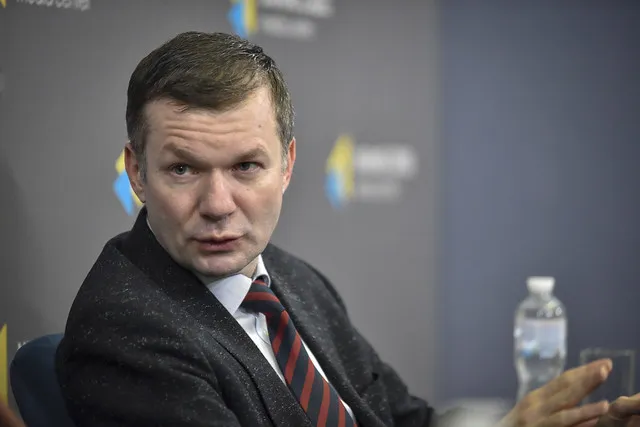
Even during the 2016 Brexit referendum, there was talk that Russia had an interest in seeing it happen. Moscow was deliberately working against the European Union. That’s why its bot farms and troll networks were working hard toward that goal on social media. It’s no coincidence that they’re being mentioned now in connection with the issues involving Yandex, notes Ivan Us, chief consultant at the Center for Foreign Policy Studies at the National Institute for Strategic Studies.
“At the time, Moscow’s interests aligned with those of the ruling Conservative Party. The government at the time did not pay much attention to reports that Moscow might be behind the Brexit vote or that there was Russian interference. One of the main proponents of leaving the EU was then-Foreign Secretary Boris Johnson, who later became prime minister. He did not want this vote to be associated with Russian interference.
Now, the Labour Party—a political force that opposed Brexit—has come to power in the United Kingdom. It seems they harbor a hidden desire for revenge for that 2016 defeat. And now they appear to have decided that the time has come to raise the suspicions that existed earlier regarding Russian interference.
Against the backdrop of the escalating conflict between Europe and Russia, the evidence of Russian interference could be used to reverse Brexit. I’m not sure it will be that easy for Britain to return to the European Union. But there are certain factors pushing Britain toward EU membership. After all, when they joined the European Union back then, it was assumed that this would resolve the Northern Ireland issue.
After all, Ireland, Great Britain, and Northern Ireland were all part of the EU. After Britain left the EU, the issue of the different territories arose again. In effect, the border between Northern Ireland and the Republic of Ireland was reestablished, which, in principle, is unpopular with the Irish on both sides. Another issue that Brexit has exacerbated—and which is sometimes mentioned—is the separatist movements in Scotland.
After all, while England is predominantly Protestant, Scotland is predominantly Catholic. Of course, Catholics have repeatedly stated that they do not want to be outside the European Union. They’ve been forgotten, but 10 years ago they had ideas: if the United Kingdom were to leave the EU, Scotland and Northern Ireland would somehow remain in the European Union.
These ideas, of course, were not implemented at the time. But British leaders are concerned about a scenario in which, one way or another, Northern Ireland and Scotland would seek separation. And some form of coexistence will have to be found. It’s entirely possible that the idea of returning to the European Union will come up in this context. This is purely theoretical, but we’ll see.”
Ivan Us believes that fears of hybrid warfare by Russia are growing in Europe: interference in elections and the bribery of politicians involved in this area. The rapid rise in popularity of the “Alternative for Germany” party is directly linked to significant Russian influence.
“That’s why, in fact, following the cyberattacks on Yandex, there were jokes that the AfD’s popularity was rapidly declining. It’s precisely because so many ‘trolls’ were operating out of Russia. They flooded German society with information that promoted this party.
But now they are physically unable to do so, and consequently, there is no longer this information warfare campaign against traditional Germany—that is, the CDU, CSU, Social Democrats, and Greens. Consequently, the AfD is experiencing a shortfall in its information campaign because those who used to carry it out are no longer there. This is an example of Russia’s actual interference in the political life of the largest EU countries. “Because without the work of ‘trolls’—who flood society with information needed by Russia to divide Europe and bring pro-Russian forces to power—it becomes very difficult for these parties.”
Ivan Us expects that the European Union and individual EU countries will ultimately strengthen legislation to combat hybrid information threats. This is because the number of cases in which Russia interferes in democratic processes in one way or another is growing.
“Take Romania, for example, where a presidential candidate—whose victory was expected—was suddenly propelled to prominence out of nowhere. And this promotion was carried out exclusively online. When restrictions were placed on the influence of various online platforms, this politician, Georgescu—who had been considered the most popular—disappeared from the public eye. Therefore, I expect that controls will be tightened and accountability established for interference in the information space, as greater attention will be paid to issues of national information security.”




