
Used oil tankers have become more expensive than new ones for the first time
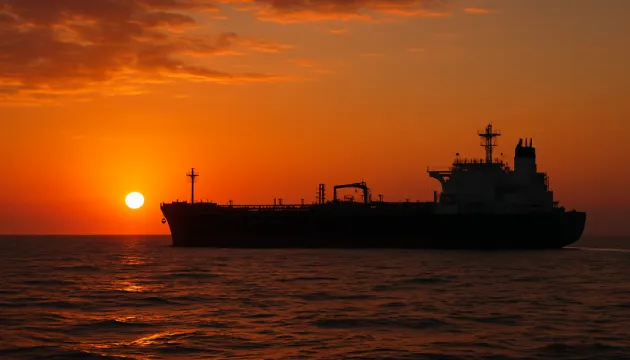
The price of used oil supertankers has exceeded the price of new vessels for the first time. According to the Financial Times, demand has surged due to record-high freight rates for transporting oil from the Middle East to Asia, so buyers are willing to pay for vessels that can be delivered almost immediately. Some used tankers are already selling for more than $150 million.
An unusual situation has developed in the oil shipping market. For the first time, used supertankers have become more expensive than new vessels. Prices for tankers that are already five or ten years old have been rising rapidly recently. Shipowners and brokers are trying to close deals as quickly as possible, as demand for such vessels has surged.
Previously, selling an old tanker could take weeks. Now, some deals are being closed in just a few days.
Why Have Tanker Prices Risen So Much?
The main reason is record-high oil freight rates. Shipments on the route from the Middle East to Asia have become particularly expensive. We’re talking about so-called VLCCs—the largest oil tankers, which can carry about 2 million barrels of oil. Freight rates on this route have reached approximately $1.2 million per day.
With such high earnings, tanker owners are rushing to take advantage of the favorable market conditions. And those looking to buy a vessel are trying to acquire one as quickly as possible. One broker specializing in supertankers described the market situation as “crazy.” According to him, in the last week alone, several tankers built before 2016 were sold for at least $150 million each.
By comparison, the average price of a new vessel of this class is about $135 million. In other words, buyers are now willing to pay more for a used tanker if it is available for immediate delivery.
“I’ve never seen a market like this before”
Shipowners themselves are also noting this unusual situation. Alexander Savaris, CEO of the Belgian company CMB Tech, which operates several vessels on routes from the Middle East, called the current market unique. “In 50 years, we’ll be looking back on 2026. This is truly a unique situation. I don’t think I’ll ever see a market like this again in my lifetime. It’s a once-in-a-generation event,” he said.
According to him, it is difficult to compare current price levels with normal market fluctuations.
A tanker’s age is almost irrelevant
The main factor in the market right now is not so much the vessel’s age as how quickly it can be transferred to a new owner. This is noted in an analytical report by the shipbroker Braemar. “Today, a vessel’s age has almost no impact on price,” the report states.
In fact, buyers are willing to pay a premium for tankers that have already been built and can quickly enter service. A new vessel must be ordered and built, whereas a used tanker can be purchased and put into service much more quickly. This is precisely what is driving up prices for older vessels right now.
Some deals are already exceeding $200 million
Some deals in this market are already looking particularly expensive. A recently built oil tanker, formerly owned by Dynacom—a company owned by Greek billionaire Georgios Prokopiou—was sold for $200 million on an “immediate delivery” basis.
This is one of the highest prices ever recorded in the oil tanker market. Another vessel, scheduled for delivery in October, was sold for $169 million. Overall, tanker prices have risen by about a third compared to the same period last year.
What’s Happening in the Oil Market
The shipping industry is currently responding actively to high demand for oil transportation. This is particularly noticeable on routes from the Middle East to Asian buyers. High freight rates mean that a shipowner can earn significantly more money from operating a vessel. Therefore, a tanker that can be quickly purchased and put into service becomes particularly valuable.
This is precisely why older vessels are now, in some cases, selling for more than new ones. The situation could change if freight rates fall or more tankers become available on the market. However, brokers are currently reporting record demand, rapid deals, and unusually high prices for oil tankers, according to the Financial Times.




