
Singapore higher education institutions strengthen humanities in education
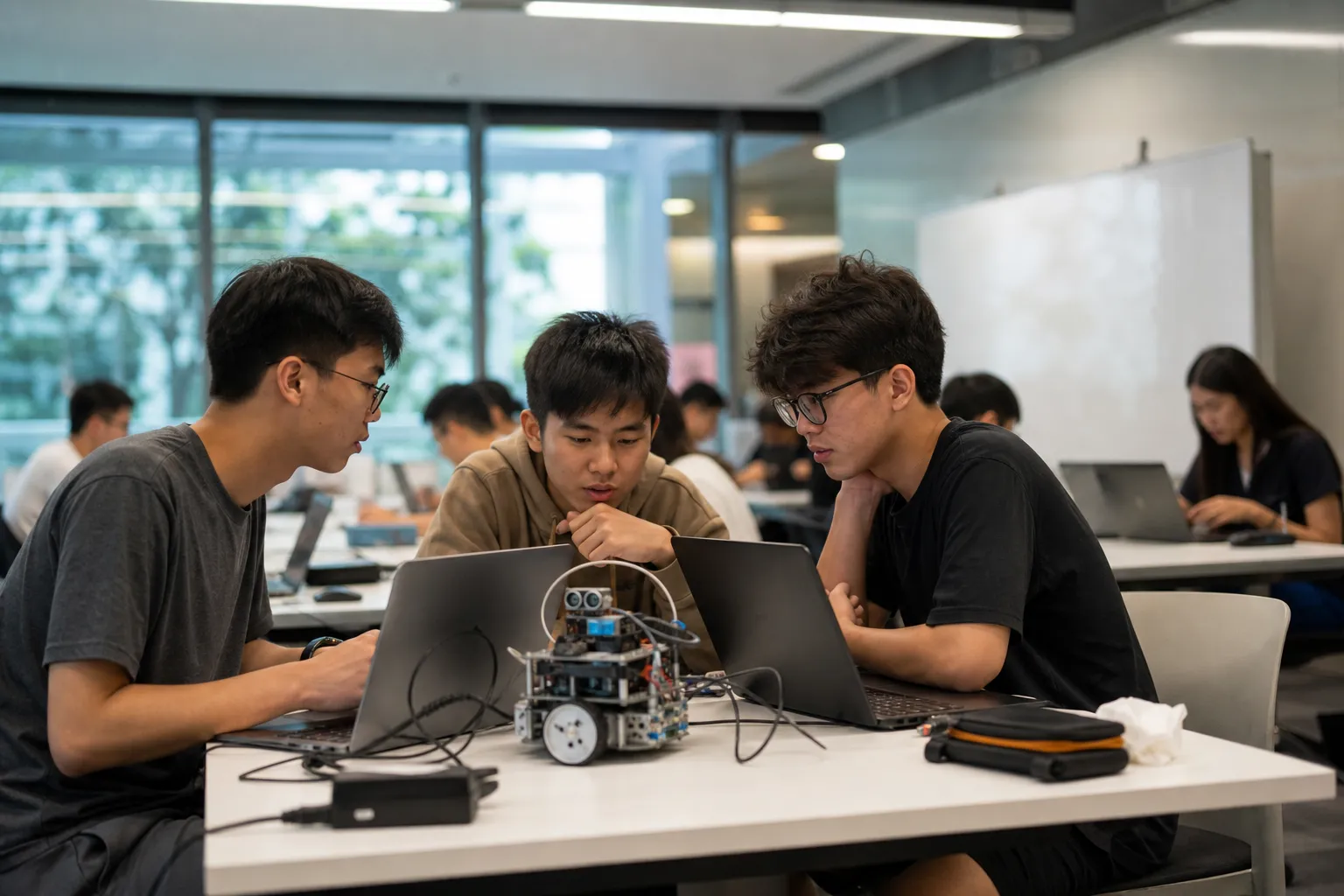
Singapore’s higher education institutions are increasingly combining technical disciplines with the arts, humanities and social sciences. Educators link this approach to the spread of artificial intelligence, which is taking on some routine and technical tasks. Students are expected to demonstrate creativity, critical thinking, communication skills, empathy and the ability to solve practical problems.
The trend is reported by Channel NewsAsia. In the country, the traditional STEM model, which encompasses science, technology, engineering and mathematics, is increasingly being supplemented with arts disciplines as part of the STEAM approach.
Demand for interdisciplinary education
PSB Academy said demand for STEAM education has increased by 47% over the past two years. The number of students in such programmes grew from about 3,400 in 2023 to 5,000 last year. The academy’s CEO, Derrick Chang, linked this to students’ desire to expand their skills beyond their main field of study.
According to him, students in technical fields seek to master design thinking and communication, while non-technical specialists need to confidently use artificial intelligence tools. PSB Academy is also building an integrated STEAM centre in the Tai Seng area, with larger spaces for interdisciplinary learning and technological equipment. The centre is expected by the institution to be ready in 2027.
More current news is available on the UA.News Telegram channel Telegram.
Technology, context and creativity
Singapore University of Technology and Design has updated its curriculum to attract students interested in economics, business, psychology and philosophy, alongside those with strong backgrounds in mathematics and science. Grace Dixon, deputy head of the programme, noted that these subjects should not be seen merely as an addition to technical education: they help students understand the context and the problem before applying design and AI.
Students and graduates of the university will also receive funding and support for entrepreneurial projects through an investment platform worth S$35 million, or US$27.6 million. Meanwhile, Singapore Management University is piloting a choreography course that explores Singapore’s culture and identity and is intended to develop creativity and empathy.
Institutions that educate adults are also changing their approaches. At Kaplan Singapore, about six out of ten students are professionals at an early or mid-career stage. According to Alex Chevrollier, head of Kaplan Singapore, employers are looking for workers able to analyse information from AI, turn it into practical solutions, communicate conclusions and collaborate with colleagues.


