
Green spaces in England’s Guildford cooled by more than 6°C during heatwaves
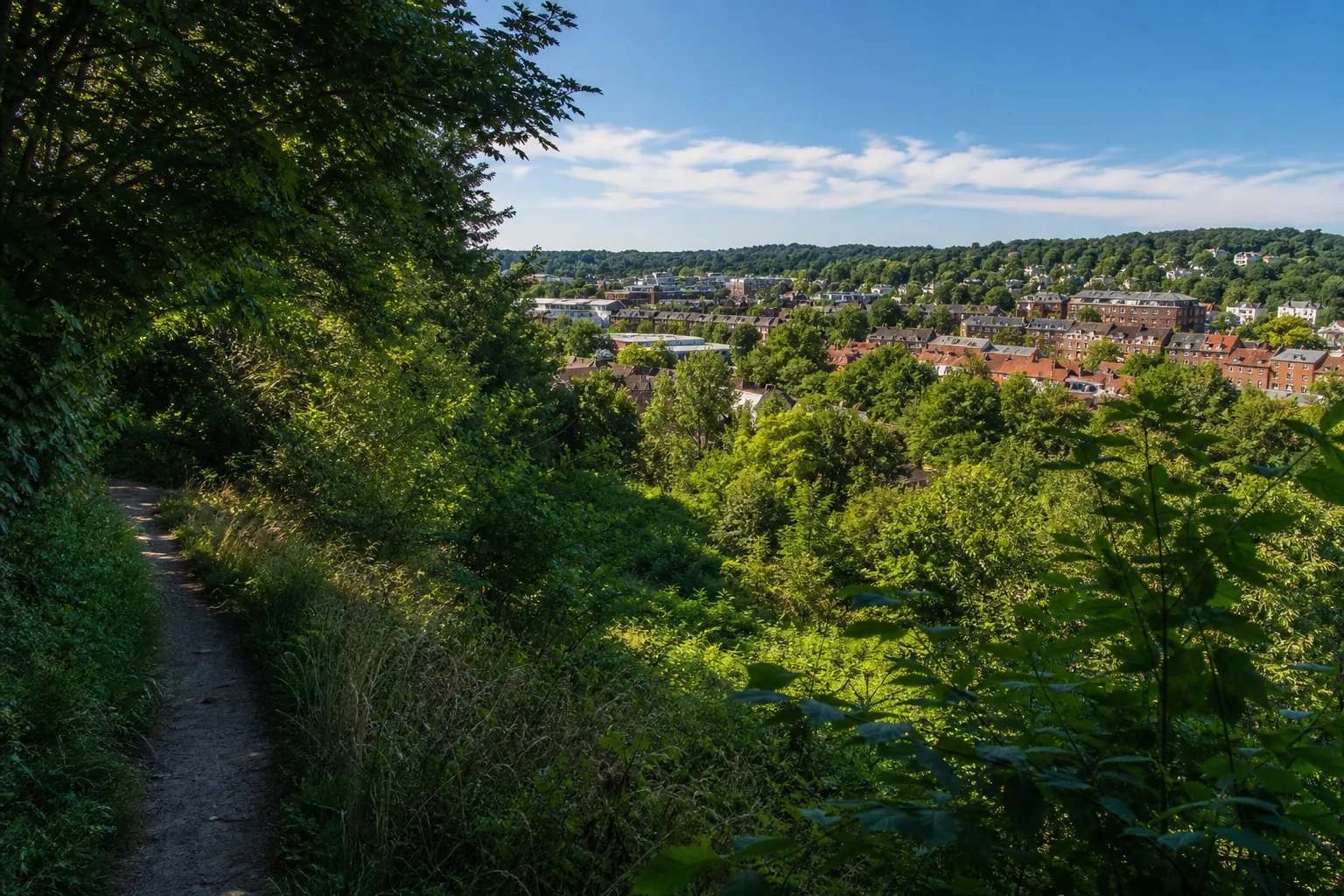
A study in Guildford in southeast England found that six green-blue infrastructure sites were 1.81–2.49°C cooler than comparable built-up areas. On the hottest days, a wooded area was more than 6°C cooler than the built environment, Mongabay reports.
Six types of infrastructure
Scientists studied a woodland site, a grassy area, a lakeshore, a green wall, a small park and a riverside area. Green-blue infrastructure combines land-based and water elements with urban development. It can create wildlife corridors, help reduce flood risks and cool spaces.
At each of the six locations, researchers installed temperature sensors and compared the readings with those from a corresponding built-up area. Measurements were taken every minute from June 2023 through the end of August 2025. They covered normal climatic conditions and several periods of extreme heat. The team also used satellite data from the same period to obtain a more complete picture of conditions at each location.
More current news is available on the UA.News Telegram channel Telegram.
The strongest effect in the woodland area
The cooling effect was more pronounced during extreme heat. On the hottest days, the riverside area and the small park were 3.5°C cooler than built-up areas. The green wall had the smallest cooling effect among the sites studied, while the woodland site had the largest.
Vivek Shandas, a professor of geography at Portland State University who was not involved in the study, noted that it is impossible to determine a single universal cooling value for a tree, park, lake or green wall. According to him, the result depends on the design and scale of the space, surrounding buildings and asphalt, weather conditions and the time of day.
The study’s authors cautioned that only one location was analyzed for each type of infrastructure. Therefore, local conditions may significantly affect the results.


