
Holiday on August 9, 2026 — International Day of the World’s Indigenous Peoples
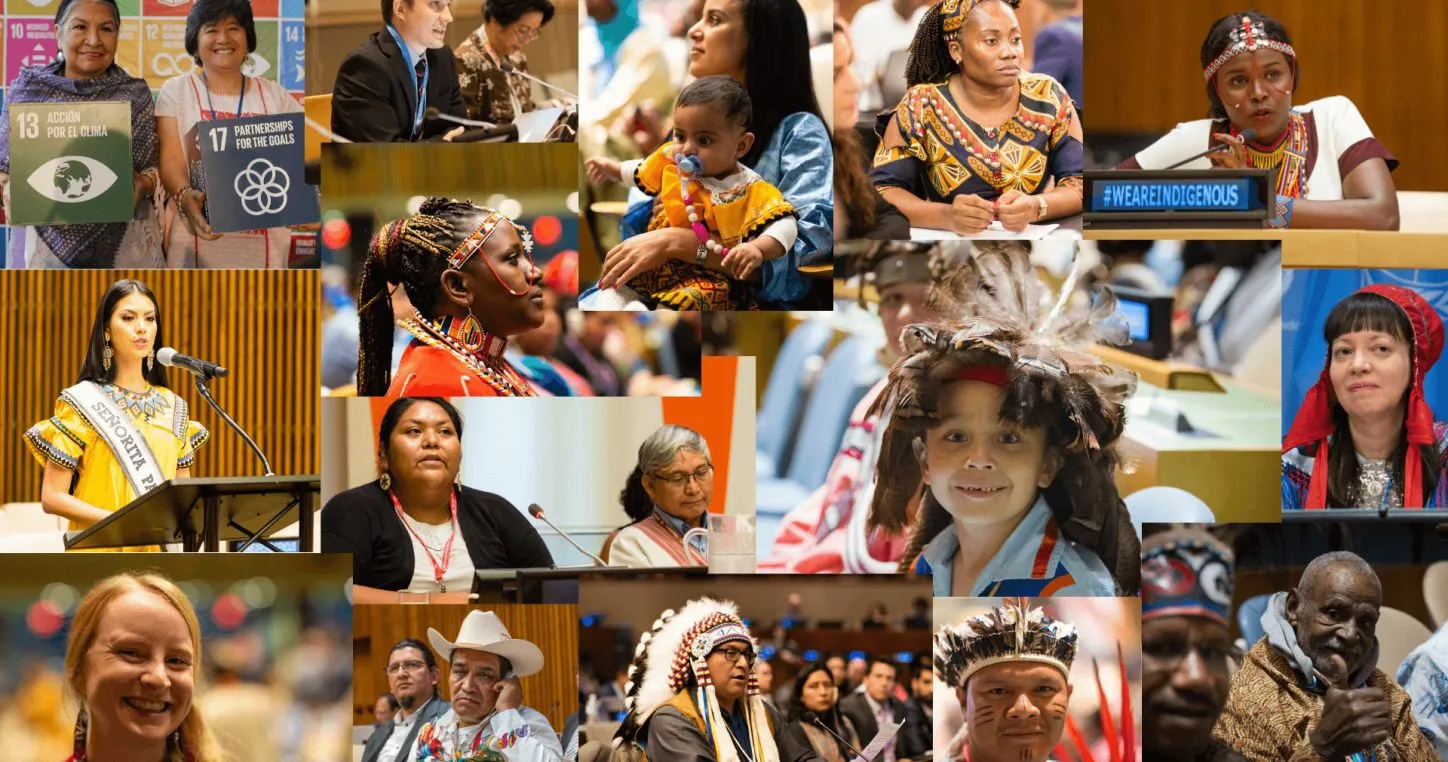
International Day of the World’s Indigenous Peoples is observed annually on August 9. In 2026, this date falls on a Sunday. The UN established this day to draw attention to the rights of Indigenous peoples, their cultures, languages, traditions, and their right to determine the future of their communities. This year, the UN will focus specifically on the role of indigenous midwives and their knowledge, which helps preserve health, culture, and intergenerational bonds.
The International Day of the World’s Indigenous Peoples is observed on August 9. The United Nations marks this date on its calendar every year. In 2026, the holiday falls on Sunday, August 9. This is not just a day to learn about different cultures. Above all, it serves as a reminder of the rights of people who, for centuries, have preserved their own languages, traditions, customs, and a special connection to their homeland. In many cases, these communities have faced discrimination, land loss, forced relocation, and attempts to eradicate their culture.

The UN uses this date to raise awareness of the issues facing indigenous peoples on an international level. These include, in particular, access to education and healthcare, participation in decision-making, and the protection of cultural heritage, languages, traditional lands, and natural resources.
How This Day Came to Be
The history of this date dates back to August 9, 1982. It was on this day that the first meeting of the UN Working Group on Indigenous Populations took place in Geneva. The group became one of the platforms where the situation of indigenous communities and their rights began to be systematically discussed at the international level. A few years later, the UN decided to designate this date as an annual international day. On December 23, 1994, the UN General Assembly adopted Resolution 49/214, which designated August 9 of each year as the International Day of the World’s Indigenous Peoples.

This decision became part of the UN’s broader efforts to protect the rights of indigenous peoples. As early as 1993, the General Assembly had proclaimed the International Year of the World’s Indigenous Peoples. That same year, the International Decade of the World’s Indigenous Peoples was also announced, beginning in December 1994. In other words, the International Day of the World’s Indigenous Peoples did not emerge as just another thematic holiday. It is the culmination of decades of international efforts during which representatives of indigenous communities sought recognition of their rights and the opportunity to participate in decisions that directly affect their lives.
Who Are Indigenous Peoples?
The UN has not established a single, concise definition that would apply to absolutely all indigenous peoples of the world. At the same time, self-identification is an important criterion—the right of an individual and a community to define their identity in accordance with their own traditions and customs. Indigenous peoples live in various parts of the world—from the Arctic to the islands of the Pacific Ocean. Their histories and cultures are very diverse, so it is incorrect to speak of them as a single, homogeneous group. They have their own languages, customs, systems of knowledge, forms of social organization, and traditional ways of interacting with nature.

According to UN estimates, there are approximately 476 million indigenous people living in 90 countries worldwide. They make up less than 6% of the world’s population, yet they account for at least 15% of people living in extreme poverty. There are also about 5,000 different indigenous cultures worldwide. Indigenous peoples account for the majority of the approximately 7,000 languages spoken around the world. This makes them vital custodians of the planet’s immense linguistic and cultural diversity. At the same time, many of these languages are at risk of extinction, especially if they are not used in schools, government institutions, and public life.
Why It Is Important to Protect the Rights of Indigenous Peoples
The challenges faced by Indigenous peoples are often not limited to cultural issues. In various countries, they face poverty, limited access to healthcare and education, insufficient political representation, and discrimination. Access to traditional lands and natural resources remains a separate issue. In some cases, Indigenous communities may not have sufficient influence over decisions regarding the territories where they live. For example, this applies to natural resource extraction projects or other activities that may alter the environment. The UN emphasizes that indigenous peoples must be involved in decisions that directly affect their lives and territories.
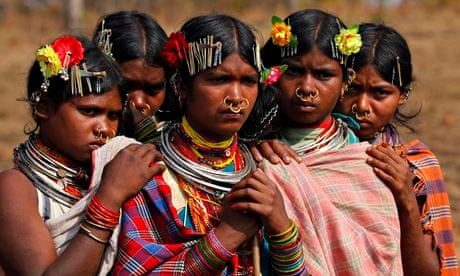
Another important issue is the preservation of cultural heritage. When a language disappears, songs, oral histories, traditional knowledge, and unique ways of describing the world around them may be lost along with it. That is why, for many Indigenous communities, protecting their languages is not just a matter of culture but also of preserving their identity. The UN also highlights that Indigenous peoples possess unique knowledge of nature. Their traditional practices may relate to agriculture, the use of plants, environmental stewardship, nutrition, and medicine. Some of this knowledge is passed down orally from older generations to younger ones.
UN Declaration on the Rights of Indigenous Peoples
One of the key documents in this area is the UN Declaration on the Rights of Indigenous Peoples. The General Assembly adopted it on September 13, 2007, following many years of work and consultations. The document established international standards for the protection of the rights, dignity, and well-being of indigenous peoples. A total of 143 states voted in favor of the declaration. Four countries—Australia, Canada, New Zealand, and the United States—initially voted against it, while 11 others abstained. Later, all four countries that had voted against it changed their position and declared their support for the Declaration.
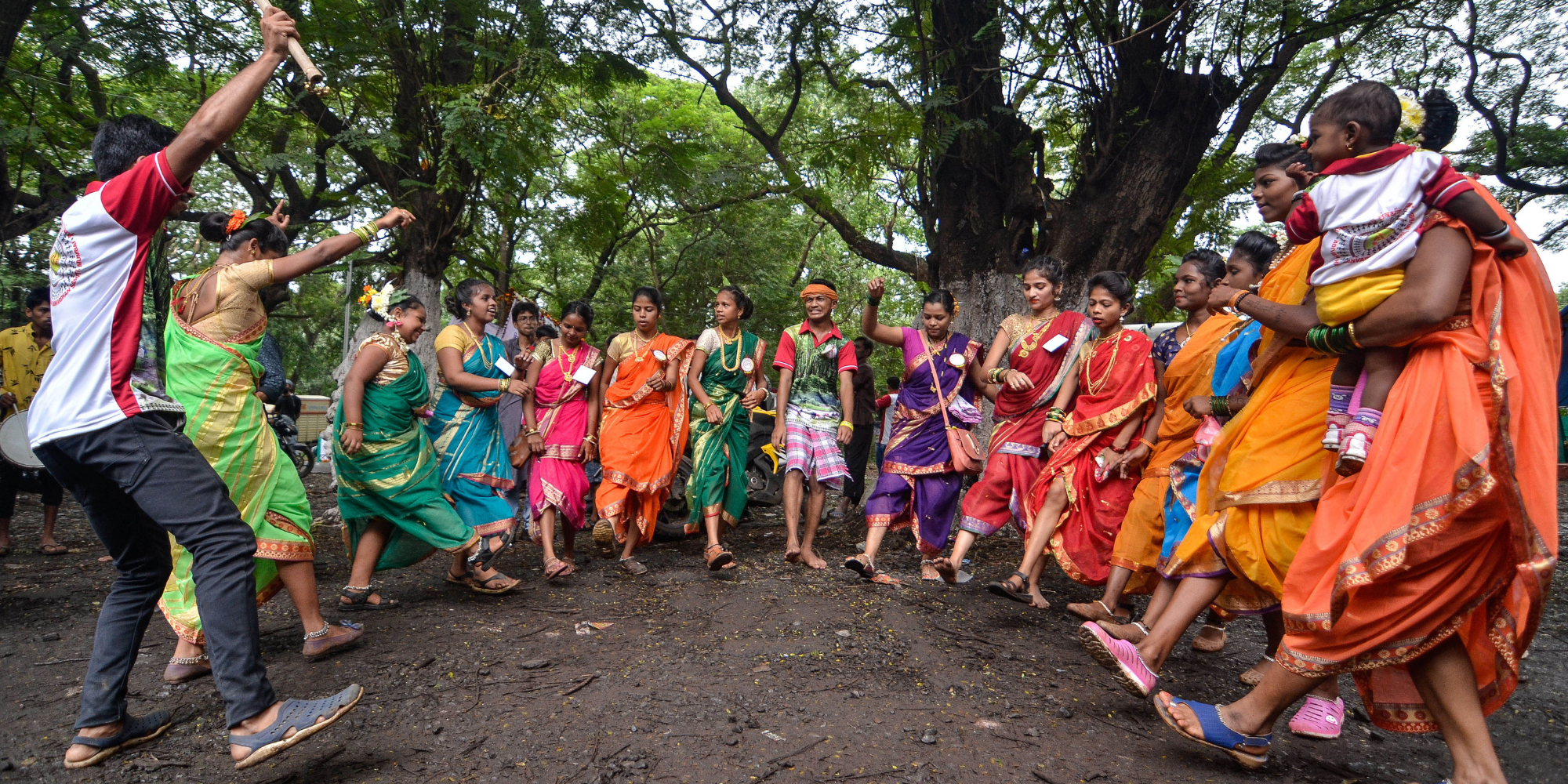
The document addresses not only the individual rights of people. It also recognizes the collective rights of indigenous peoples. Among other things, it addresses the right to preserve and develop their own culture, language, traditions, and institutions, as well as to participate in decisions that affect their lives. The declaration has become an important international benchmark. At the same time, its adoption does not mean that all problems have automatically disappeared. The UN continues to highlight the gap between the formal recognition of rights and their actual implementation in various countries.
The Theme for the International Day of Indigenous Peoples in 2026
Each year, the UN selects a specific theme for the International Day of Indigenous Peoples. In 2026, the theme is “Honoring Indigenous Midwives: Safeguarding Life and Well-being.” It is dedicated to traditional knowledge and the role of midwives in Indigenous communities. The UN emphasizes that indigenous midwives do more than simply assist women during pregnancy and childbirth. They are often custodians of knowledge passed down from generation to generation. Their work may combine medical care with cultural, spiritual, and community traditions.

This topic takes on particular significance due to maternal and child health challenges in some Indigenous communities. According to UN Secretary-General António Guterres, among Indigenous peoples in various regions of the world, maternal and infant complications and mortality rates can be significantly higher than among the general population. In 2026, the UN aims to highlight the need to recognize the knowledge of Indigenous midwives, eliminate discrimination, and ensure access to culturally appropriate healthcare. The goal is also to ensure that women from Indigenous communities can make their own informed decisions regarding their health and medical care.
Interesting Facts About Indigenous Peoples
476 million people. That is the approximate number of Indigenous peoples worldwide. They live in at least 90 countries and comprise thousands of different cultures.
About 5,000 cultures. Indigenous peoples are not a single cultural group. According to UN estimates, there are approximately 5,000 different indigenous cultures in the world, each with its own traditions and history.
Thousands of languages. Indigenous peoples account for the majority of the world’s approximately 7,000 languages. At the same time, many of these languages are at risk of extinction because they are used less and less in daily life and education.
An important role in nature conservation. Indigenous territories cover about 28% of the Earth’s land surface and contain approximately 11% of the world’s forests. The UN refers to indigenous communities as the guardians of a significant portion of the planet’s biodiversity.
Traditional knowledge can be practical. In many communities, knowledge about plants, nutrition, agriculture, caring for nature, and health has been accumulated over generations. Some of this knowledge is used today in conjunction with modern approaches.
How the International Day of the World’s Indigenous Peoples Is Celebrated
There is no single mandatory tradition for this day. In different countries, it is celebrated through cultural festivals, exhibitions, concerts, lectures, film screenings, discussions, and educational events. The main purpose of these events is to give Indigenous peoples the opportunity to speak for themselves about their culture and the challenges they face. The United Nations holds official events on this day with the participation of representatives of Indigenous peoples, governments, international organizations, and experts. There, they discuss pressing issues related to rights, culture, health, education, the environment, and community development. Speeches by representatives of Indigenous communities and cultural presentations may also take place.
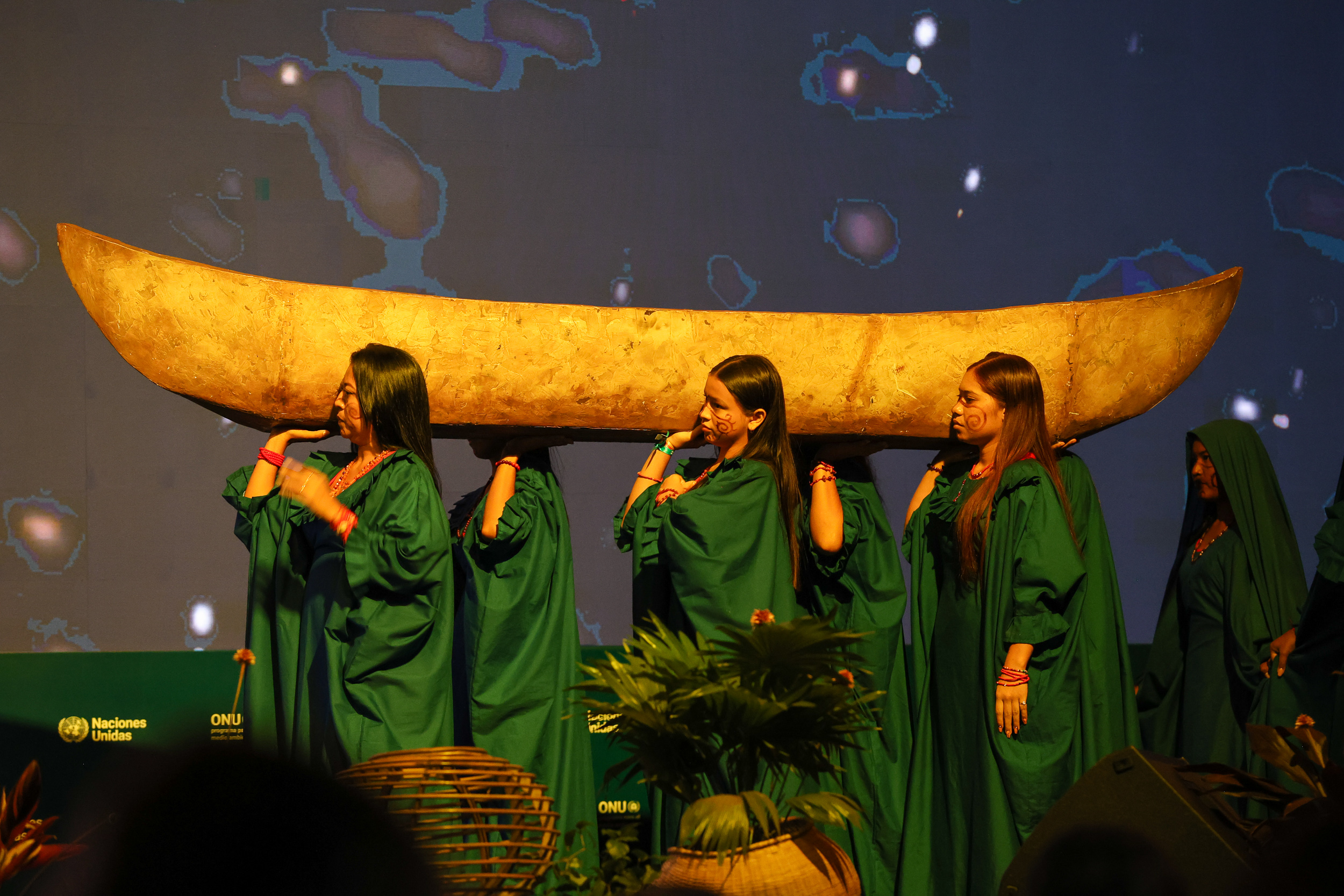
In 2026, the main theme will be indigenous midwifery. The UN is planning a separate event dedicated to the role of indigenous midwives, culturally appropriate medical care, and ways to support knowledge systems passed down through generations. The event is scheduled for August 10 as a UN online event. Anyone interested is welcome to participate. For example, you can learn more about the history of a specific Indigenous people, read about their language and traditions, watch a documentary, or attend a cultural event. It is important to rely on information from community members themselves and not to reduce their culture to a set of stereotypes.
Why This Day Is Important for Ukraine
The issue of indigenous peoples is of direct relevance to Ukraine as well. Ukrainian law recognizes the Crimean Tatars, Karaites, and Krymchaks as indigenous peoples of Ukraine. For these communities, issues of language, culture, historical memory, identity, and ties to Crimea are of particular importance. The International Day of Indigenous Peoples helps bring these issues to the forefront not only within individual countries but also at the level of international organizations. It is also an opportunity to remind the world that indigenous peoples have the right to preserve their own identity and participate in decisions that affect their future.

In a broader sense, this day serves as a reminder of the value of cultural diversity. When a language or tradition disappears, humanity loses a part of its shared history. Therefore, protecting the rights of indigenous peoples means, at the same time, protecting the cultures, knowledge, and traditions that have been shaped over generations. August 9 is not just a date on the UN calendar. It is an opportunity to hear the voices of communities that have preserved their own cultures, languages, and knowledge for centuries, and to remind ourselves that their rights must not only be proclaimed but also effectively protected.


