
Britain modifies cereal receptors to recognize two effectors — ScienceDaily
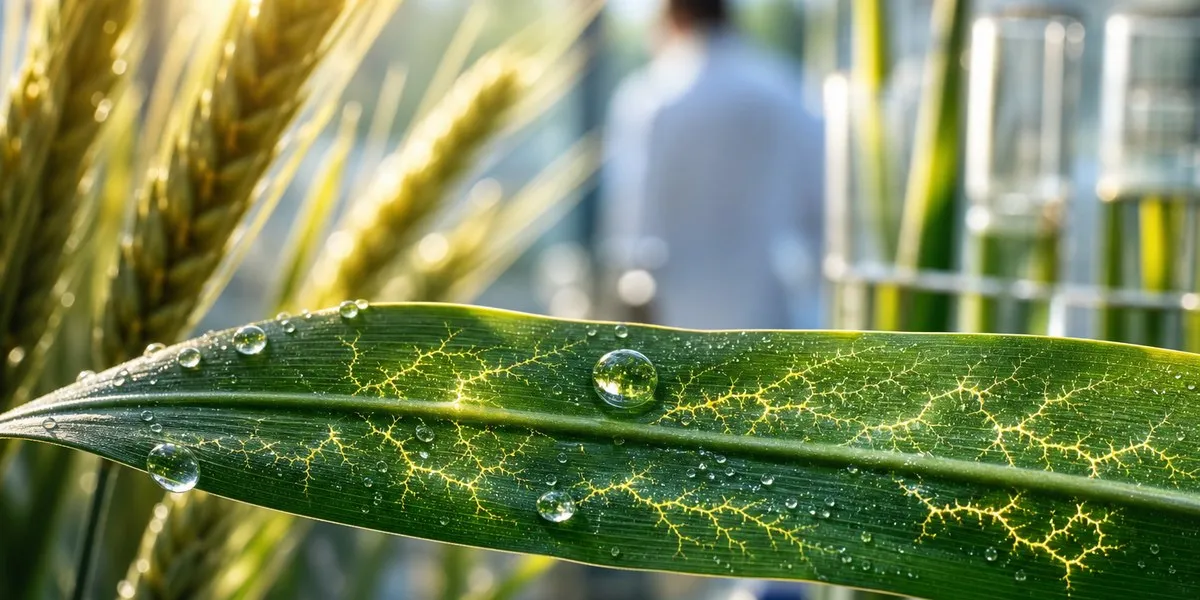
An international group of scientists led by specialists from the UK’s John Innes Centre has modified immune receptors in cereal crops so that they can recognize two fungal effectors — molecules that the pathogen uses during plant infection. In the future, this approach could strengthen the protection of wheat, barley and rice against fungal diseases, ScienceDaily reports.
The study focused on the fungus Magnaporthe oryzae, which causes blast disease. This is the most dangerous fungal disease of cultivated rice and also poses a threat to wheat and barley in certain areas of Asia and Africa. According to the data cited, rice blast destroys enough grain each year to feed approximately 60 million people.
How plants recognize the fungus
The fungus delivers effectors into leaf and stem cells, disrupting the plant’s normal functioning and helping the infection develop. Plants can detect such molecules using immune receptors and trigger a defensive response, including the localized death of infected cells to contain the spread of the pathogen.
More current news is available on the UA.News Telegram channel Telegram.
The team studied tandem kinase proteins, or TKPs, a class of cereal immune receptors that has begun to be actively researched relatively recently. Some of these proteins have an HMA domain capable of binding to fungal effectors. Using biophysical methods and crystallography, the scientists determined the structure of this interaction and altered TKP receptors to recognize two different effectors.
Testing is still ahead
The ability of one receptor to detect several targets is called dual specificity; it is uncommon among natural immune receptors. The authors believe that this could eventually make it possible to create receptors capable of responding simultaneously to several fungal threats.
Initial tests were conducted on protoplasts — individual wheat cells used as a model for studying the response of plant tissues. The next stage is expected to test whether the modified receptors will protect whole plants under greenhouse conditions. The researchers are also considering combining TKP receptors with receptors of the NLR class, which are likely to activate immunity through different mechanisms.




