
Ghana tests AI platform to detect crop diseases and pests — MyJoyOnline
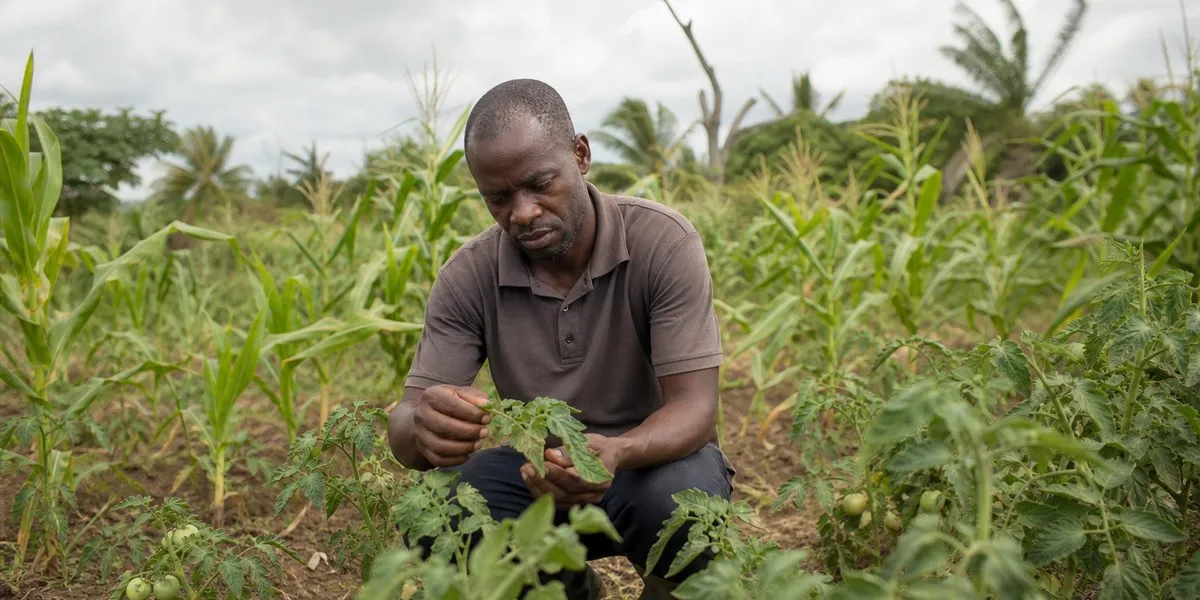
Ghana has begun piloting the Ndua Analytics platform, which uses descriptions of plant symptoms to offer farmers a possible diagnosis and recommendations on treatment, prevention and further crop management. The tool was created by a research assistant at the University of Ghana and YARA Research Fellow Nana Benyin Eboe Nyamekye Essel-Biney, MyJoyOnline reports.
Pilot for three crops
Ndua Analytics is currently being tested for maize, cassava and tomatoes. For example, a farmer can select tomatoes in the system and describe yellow spots on the leaves. The platform analyzes the entered observations and suggests a possible diagnosis, including a disease or pest infestation.
Unlike a number of other agricultural AI tools, the development does not require uploading plant photographs and works primarily with symptom descriptions. According to the developer, poor camera quality, movement or shadows can affect the reliability of image-based diagnostics. The text-based approach also made it possible to develop the model using relatively limited datasets.
More current news is available on the UA.News Telegram channel Telegram.
Languages and further development
The platform uses voice technologies and translation to provide responses in English and one of Ghana's local languages. This is intended to make the service easier to use for farmers who find it difficult to read English or understand specialized agricultural terminology. Among the development challenges, the author cited processing agricultural information so that the model can understand it correctly and a lack of datasets in local languages.
Meteorologist and visiting professor at the University of Leeds Benjamin Lamptey noted that favorable weather conditions can contribute to the emergence of seasonal pests at unexpected times. In his view, artificial intelligence can be useful for identifying periods when they may appear, but for practical results, researchers, institutions and users of climate information must cooperate.
Going forward, Nana Essel-Biney plans to add rice, onions, ginger and garlic to Ndua Analytics, account for geographical differences in the spread of diseases and pests, and expand the list of Ghanaian languages. Access to the current version is available via a link, and the developer plans to add a login system in the future.




