
In Kenya, a former matatu driver has bred more than 100 dairy goats — Nation Kenya
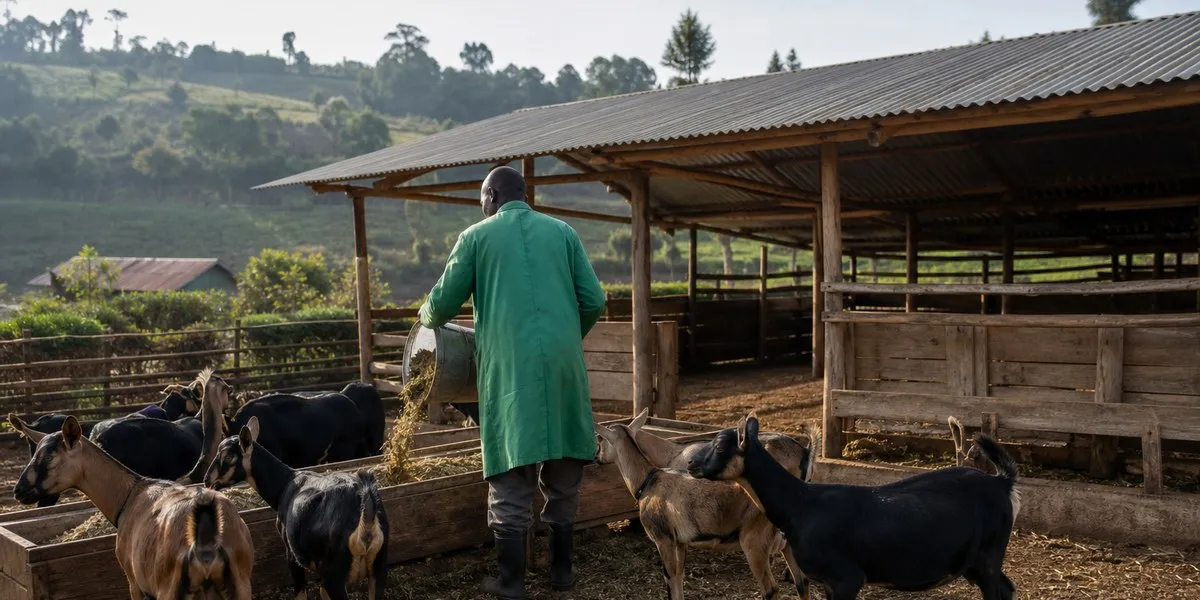
In Elburgon, in Kenya’s Nakuru County, former matatu driver Simon Nganga Wamsey has expanded his farm to more than 100 German Alpine and Toggenburg goats. He now milks about 40 animals, collecting at least 80 litres of milk every morning, and sells the milk at the local market for 250 Kenyan shillings per litre, Nation Kenya reports.
From driving to farming
Wamsey worked as a matatu driver for 25 years and left his job in 2016 after the death of his daughter, who gave birth to twins in 2013. According to him, his wife could not care for the grandchildren on her own. A year later, he visited a farmer acquaintance in Nyeri County, where he became interested in raising goats for milk production.
Wamsey’s initial investment amounted to 40,000 Kenyan shillings. He bought two pregnant Toggenburg goats for 15,000 shillings each and spent the remaining money on timber, metal roofing sheets and nails to build a shelter. Three months later, the goats gave birth to twins, and the farm began supplying the family with milk.
More current news is available on the UA.News Telegram channel Telegram.
Sales of milk and offspring
The farmer said that he sells male goats three months after weaning, including animals up to six months old, for 15,000 Kenyan shillings. Females are bought for further breeding for 18,000–20,000 shillings, while mature goats are sold for 25,000–30,000 shillings depending on the breed.
To feed the herd, Wamsey stores dry maize stalks, buys hay and alfalfa, and also uses mineral salt licks. He keeps surplus feed for the dry season. The farmer deworms young goats one month after birth and adult goats once every two months, tags the animals and keeps records of their growth, milk yields and sales.
According to Wamsey, income from the farm has helped pay for his grandchildren’s education, buy another plot of land to keep goats and cover personal expenses. He plans to increase the herd to more than 200 animals next year. To avoid inbreeding, the farmer exchanges bucks with other farms.




