
Nauseda ruled out the possibility of dialogue with Russia until hostilities cease
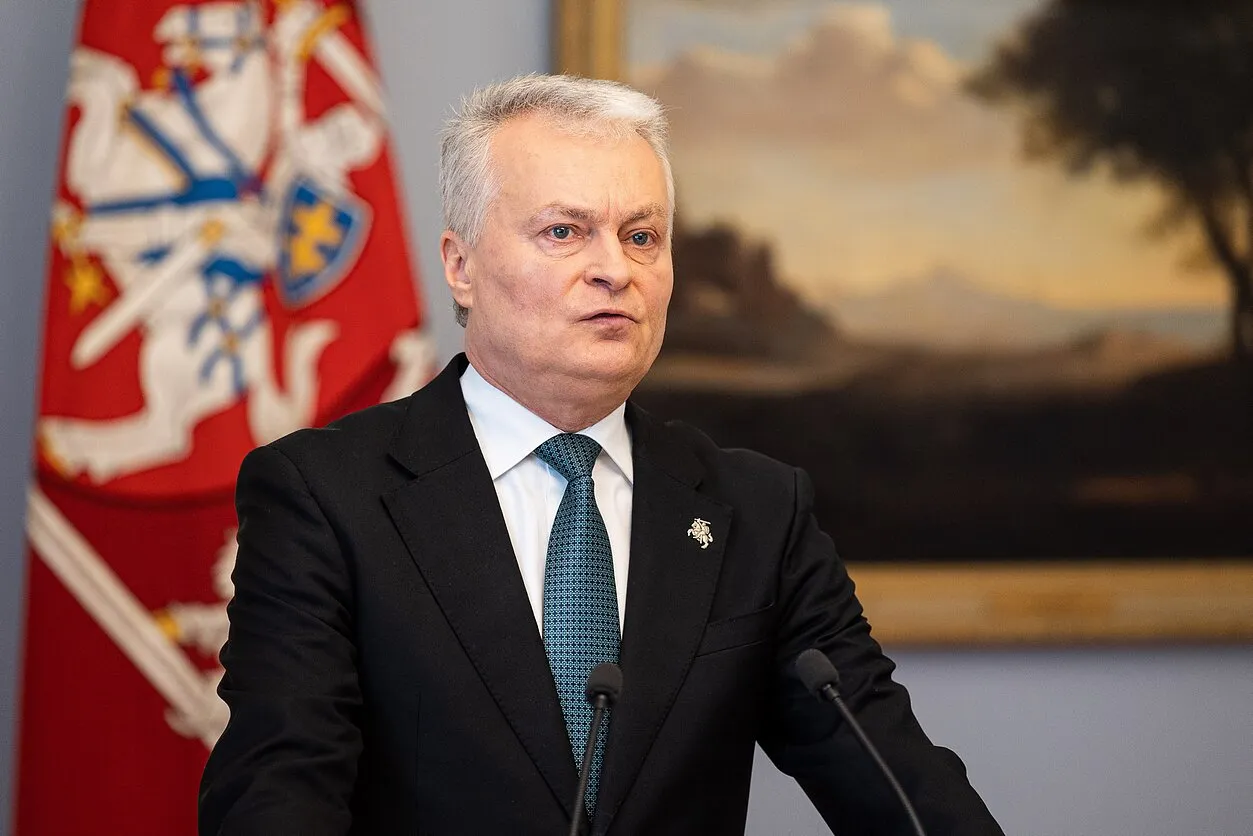
Lithuanian President Gitanas Nausėda stated that he sees no point in negotiations with the Kremlin until Russia demonstrates a genuine willingness to halt its aggression.
During a joint press conference with Finnish President Alexander Stubb, he emphasized that any contact with Putin is possible only after a complete ceasefire and the withdrawal of troops. According to the Lithuanian leader, past experience shows that dialogue without Russia meeting minimum conditions always ends in failure and only plays into the aggressor’s hands. This was reported by LTR.
In contrast, Finnish President Alexander Stubb expressed a somewhat different position, suggesting the possibility of “uncomfortable talks” with Moscow. He noted that such negotiations must begin from a position of strength for Ukraine, which, in his view, currently holds the upper hand on the battlefield. Stubb believes that direct contact could be a necessary tool for ending the war, even if it does not imply legitimizing the Russian regime.
Despite differences in their approaches to methods, both leaders agreed that supporting Ukraine’s defense capabilities remains a key factor. Nausėda remained steadfast in his view that a ceasefire is a mandatory prerequisite for initiating any substantive discussions with Russia. The Lithuanian side continues to insist on increasing sanctions pressure and isolating the aggressor until Ukraine’s territorial integrity is restored.
President Volodymyr Zelenskyy and Lithuanian President Gitanas Nausėda signed a strategic agreement on defense cooperation. Ukraine and Lithuania agreed on the “Drone Deal” framework, which provides for the establishment of joint production of unmanned systems, technology transfer, and the localization of production of long-range strike and maritime drones on Lithuanian territory.
Nausėda signed a law establishing a new military training ground in the Suwalki Corridor and expanding another training site near the border with Russia. The decision is explained by the need to strengthen the country’s defense capabilities and contribute to NATO’s collective security.


