
Tesla adds automatic collision avoidance to FSD — Motor1
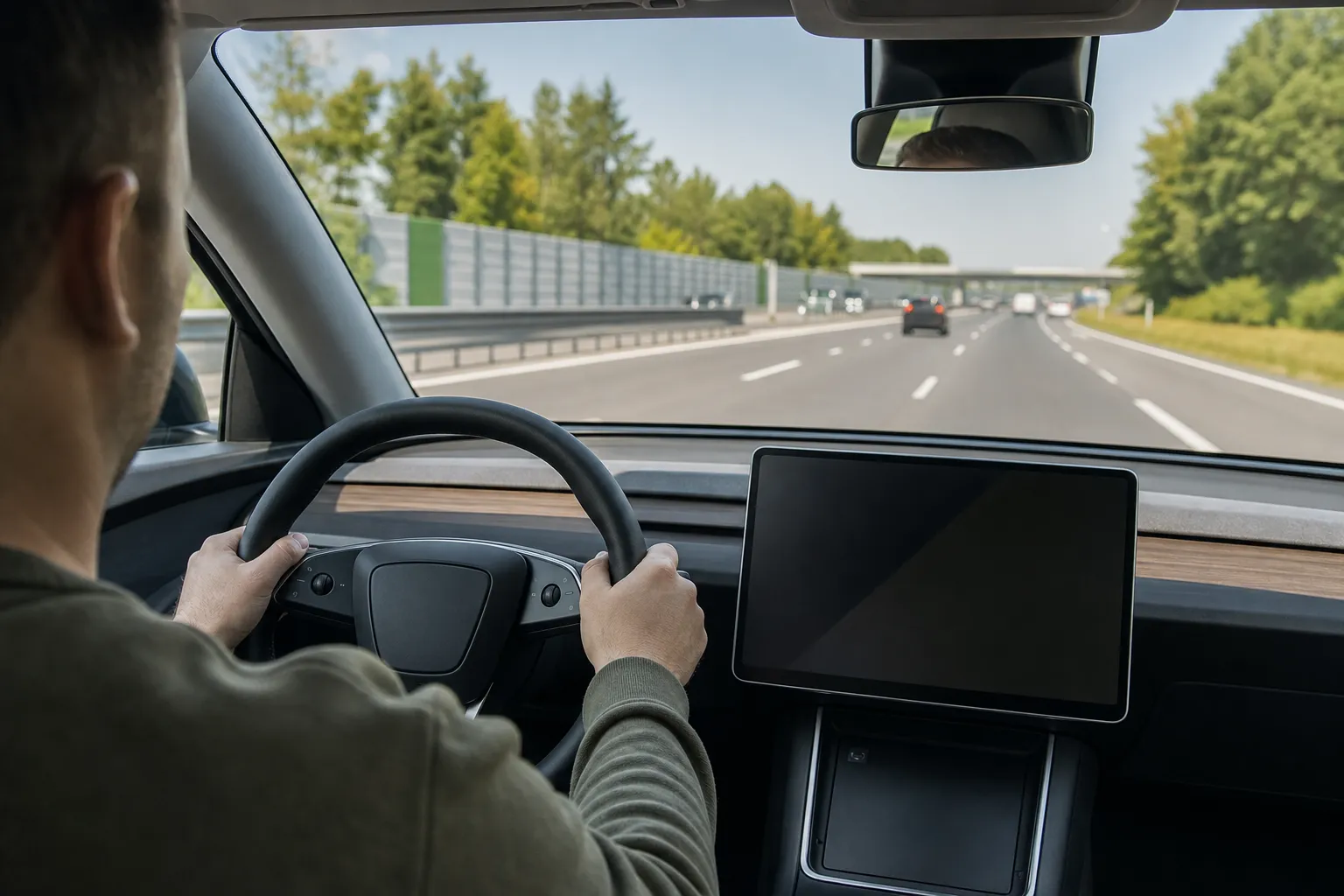
Tesla has begun rolling out the Automatic Collision Evasion feature to vehicles in North America as part of the FSD Supervised v14.3.9 update. It can briefly take over steering, braking and acceleration to avoid a crash even while the vehicle is being driven manually. As Motor1 reports, on September 6 the update was initially sent to Tesla employees’ vehicles, and customers in North America began receiving it later.
System operating conditions
The feature is available to owners of vehicles for the North American market who purchased FSD Supervised and enabled this option in the settings. Tesla presents Automatic Collision Evasion as an emergency mechanism rather than a replacement for driver attentiveness.
The system is intended for two situations with a high risk of collision. The first is the threat of a head-on crash on a controlled-access highway at speeds below 85 miles per hour, provided there are no cyclists or pedestrians nearby. If automatic emergency braking is insufficient, the vehicle may steer around an obstacle, change lanes or move onto the shoulder, independently adjusting braking or acceleration.
More current news is available on the UA.News Telegram channel Telegram.
Control during the maneuver
The second scenario concerns driver inattention or the accidental disengagement of FSD. On any road at speeds from 22.5 to 85 miles per hour, the system can reactivate FSD and perform a maneuver to avoid danger. According to the publication, Automatic Collision Evasion will not activate in parking lots or traffic jams when the vehicle is moving more slowly or is stationary.
After the system intervenes, the accelerator pedal will not respond to pressure. Pressing the brake increases deceleration but does not stop the maneuver. The driver can cancel the intervention only by making a sharp turn of the steering wheel in the opposite direction, physically overcoming the system’s force.


