
Russia is ramping up production of the "Oreshnik" and still has only a handful of them
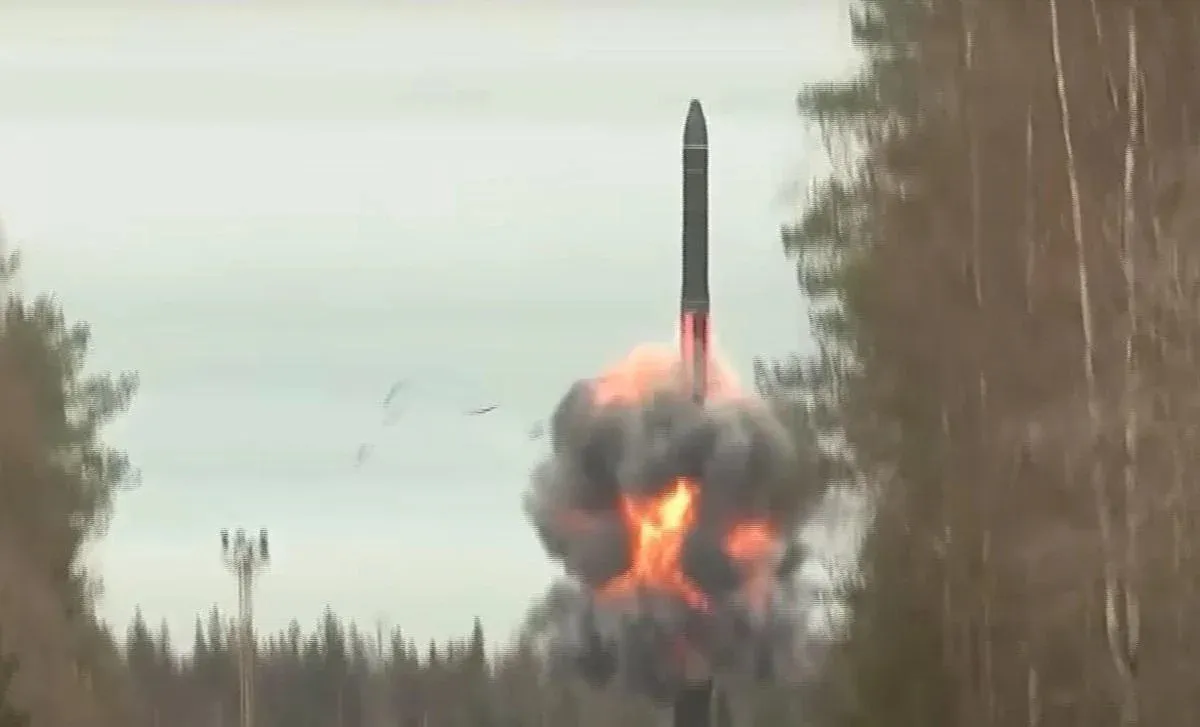
Russia has likely begun mass production of the "Oreshnik" ballistic missiles, but it still has very few of them, and the production rate remains slow. According to estimates by Ukrainian analysts, we are talking about literally a handful of missiles, not massive stockpiles, writes Defense Express.
Russia has most likely already begun small-scale production of the Oreshnik medium-range ballistic missiles; however, it is too early to speak of large arsenals, as experts emphasize that the enemy may have only a few such missiles, not dozens or hundreds, and each of them effectively becomes a separate strategic-level asset.
This is noted in assessments by the Defense Express analytical portal, which points out that the pattern of these missiles’ use may indicate a gradual ramp-up in production, though it remains slow and limited.
Analysts note that 13.5 months passed between the first and second recorded uses of the “Oreshnik,” while about 4.5 months elapsed between the second and third strikes, which may indicate a certain acceleration of the production cycle, though not mass production.
Separately, the report cites data from the Main Intelligence Directorate of the Ukrainian Ministry of Defense, according to which, as of April 2026, Russia could have had up to 10 such missiles in stock; however, experts emphasize that this figure is likely an upper estimate rather than an exact number. “This is more of a maximum estimate than the actual size of the arsenal,” analysts note, explaining that such estimates typically include a significant margin of uncertainty.
According to Defense Express’s calculations, production rates could be approximately one missile every 2–2.5 months, which automatically means a very slow replenishment of stocks even if the production line is fully operational. “Based on these rates, even after several months of serial production, we could be talking about only 3–4 missiles in the arsenal,” the experts conclude, emphasizing that despite the loud statements, the “Oreshnik” remains a rather limited and scarce weapon rather than a mass instrument of war.
As a result of Russia’s massive missile and drone attack on Kyiv, the blast wave damaged the ground-level entrance of the Lukyanivska metro station.
On the night of May 24, Russian forces carried out a massive combined attack on Kyiv, using ballistic missiles and strike drones. All districts of the capital came under fire.
On the night of May 24, Russian forces carried out a massive attack on the Kyiv region, using strike drones, cruise missiles, and ballistic missiles. The shelling resulted in casualties and damage across all districts of the region.


