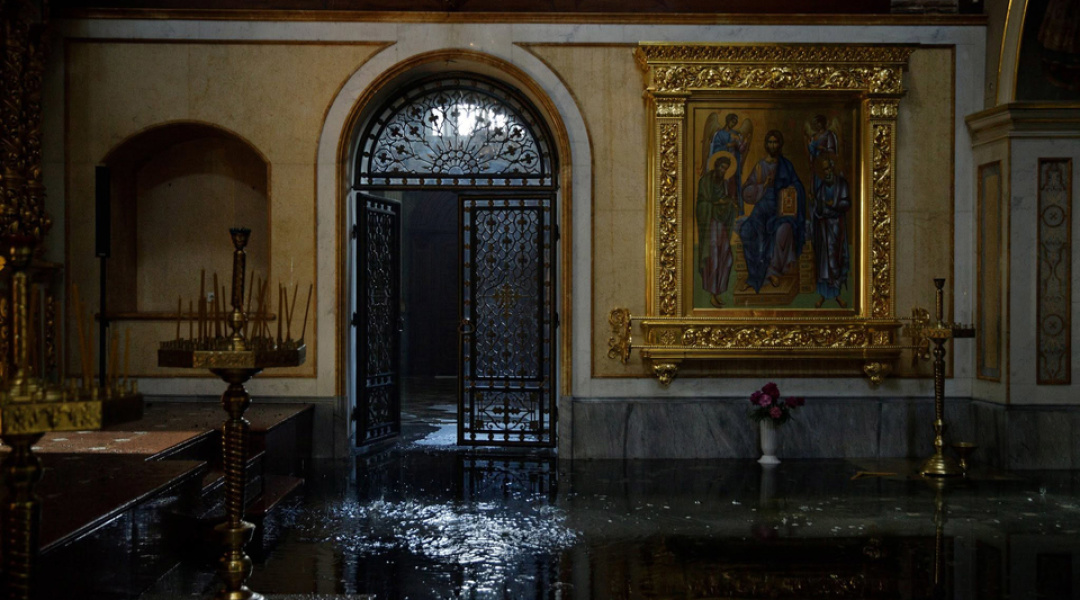
Ancient icons were rescued at the Kyiv-Pechersk Lavra following the strike
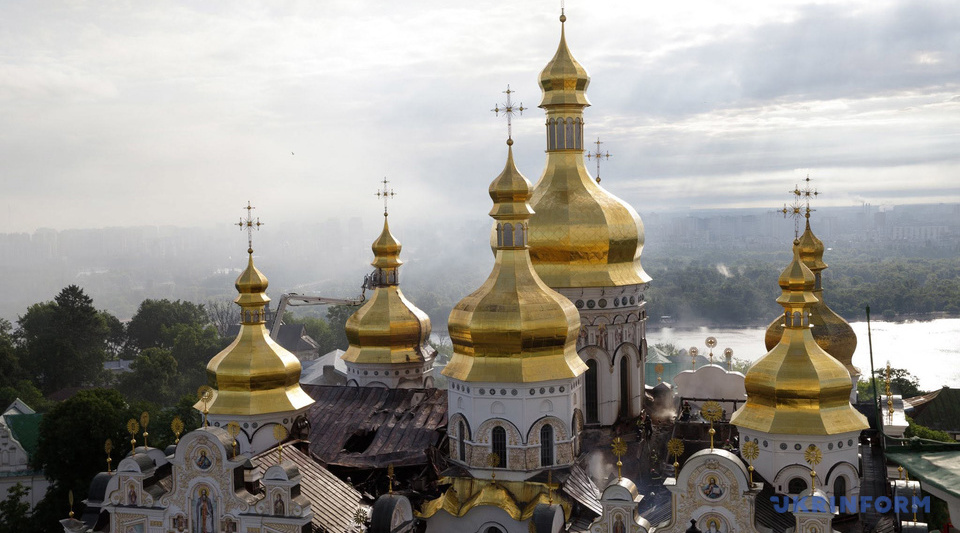
After the Russian strike on the Kyiv-Pechersk Lavra, rescue workers, police, and reserve staff literally carried 17th- and 18th-century icons and other unique relics out of the danger-filled rooms as the fire spread across the cathedral’s roof. In the first minutes after the strike, the main task was not simply to extinguish the fire, but to preserve what had shaped cultural memory for centuries. It was a race against time, smoke, and risk, where every minute counted.
After the strike on the Assumption Cathedral of the Kyiv-Pechersk Lavra, the situation developed rapidly, and, according to Interior Minister Ihor Klymenko, rescue services, together with Lavra staff and police officers, immediately began removing the most valuable artifacts from the building to prevent them from being lost in the fire. These were not merely museum exhibits, but 17th–18th-century icons kept inside the cathedral that held unique historical and spiritual value. “Together with the reserve’s staff, priests, and police officers, carried out first and foremost what was inside this cathedral to save the artifacts that were there,” noted Ihor Klymenko, describing the first moments after the strike, when the fire had already engulfed the roof.
Interior Minister Ihor Klymenko, together with reserve staff, priests, and police, rescued icons and artifacts from the Assumption Cathedral following the Russian Federation’s strike on the Kyiv-Pechersk Lavra
. Video: Inna Dubrovik / hromadske pic.twitter.com/1H6diCzRGk— hromadske (@HromadskeUA) June 15, 2026
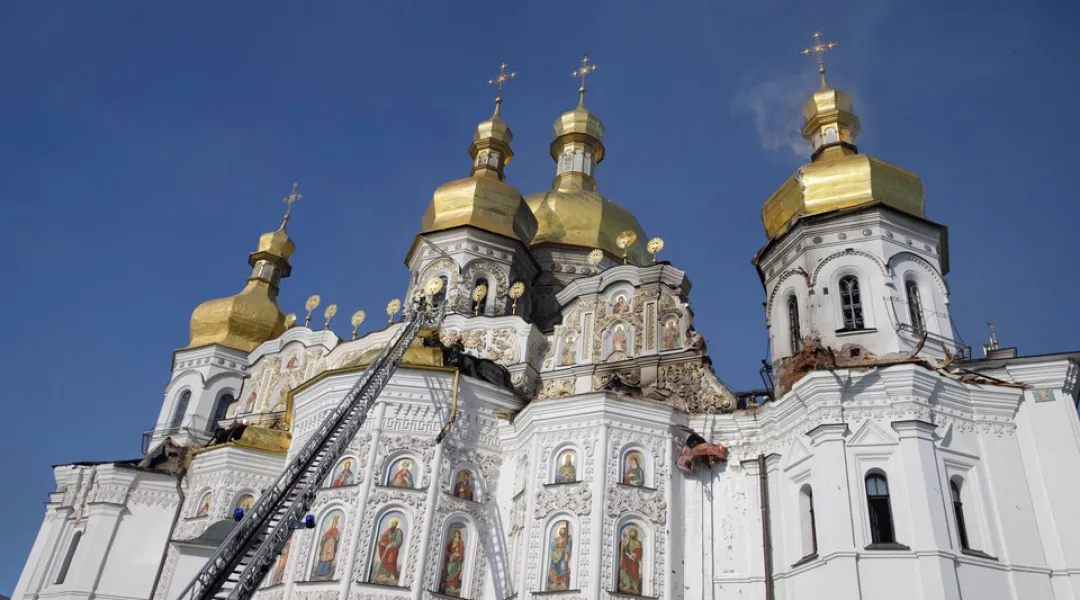
According to him, firefighting was complicated by the building’s construction: wooden floors and copper roofing contributed to the spread of fire under the roof sheathing, forcing firefighters to proceed in stages—first cooling the structures with water, and then locally removing the roofing to reach the sources of ignition. About twenty fire trucks were deployed to extinguish the fire, and operations were conducted simultaneously from several directions.
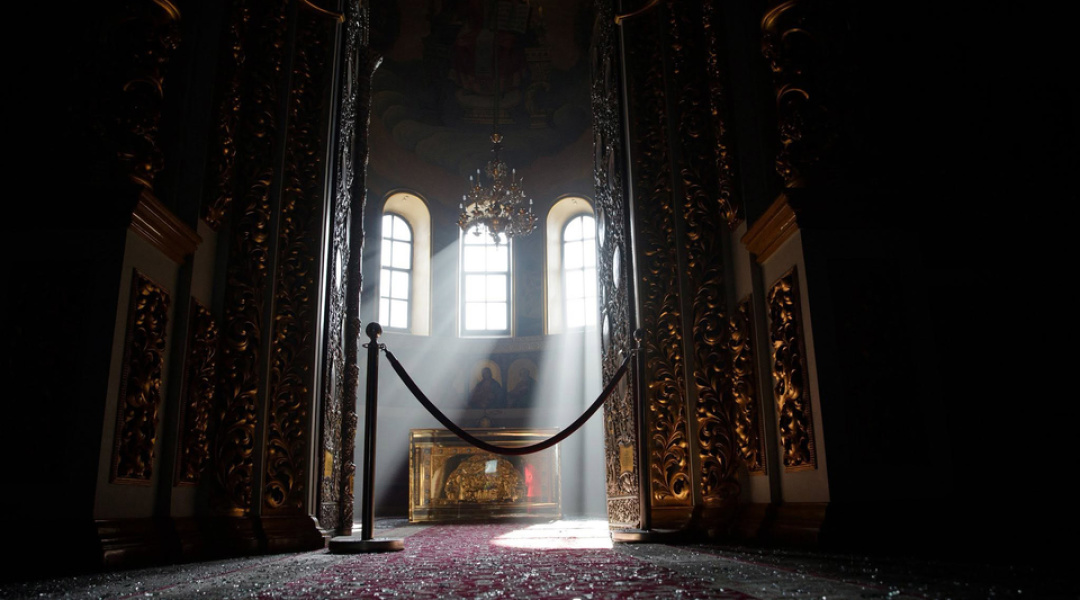
Klymenko emphasized that rescuers worked even at heights, climbing to the highest parts of the roof to stop the spread of the flames both outside and inside the structure. Despite the scale of the damage, the fire was contained, and some of the cultural artifacts were moved to safe locations. “We were very worried about the entire building, about this entire temple… It is a 12th-century architectural monument that has survived destruction more than once, and now the enemy has struck this piece of history again,” the minister said, commenting on the Lavra’s significance as a World Heritage Site.
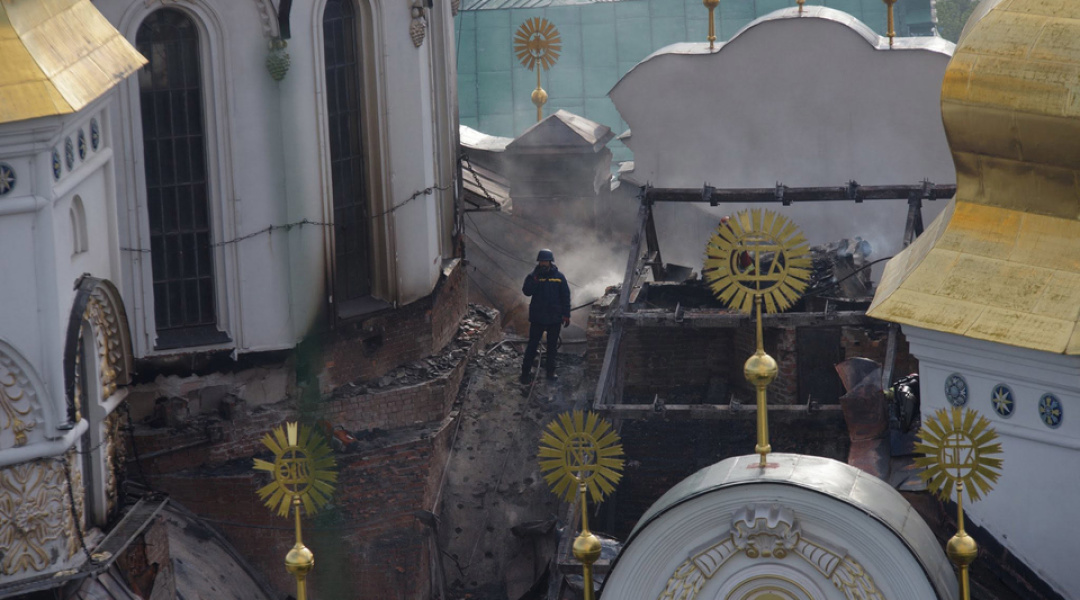
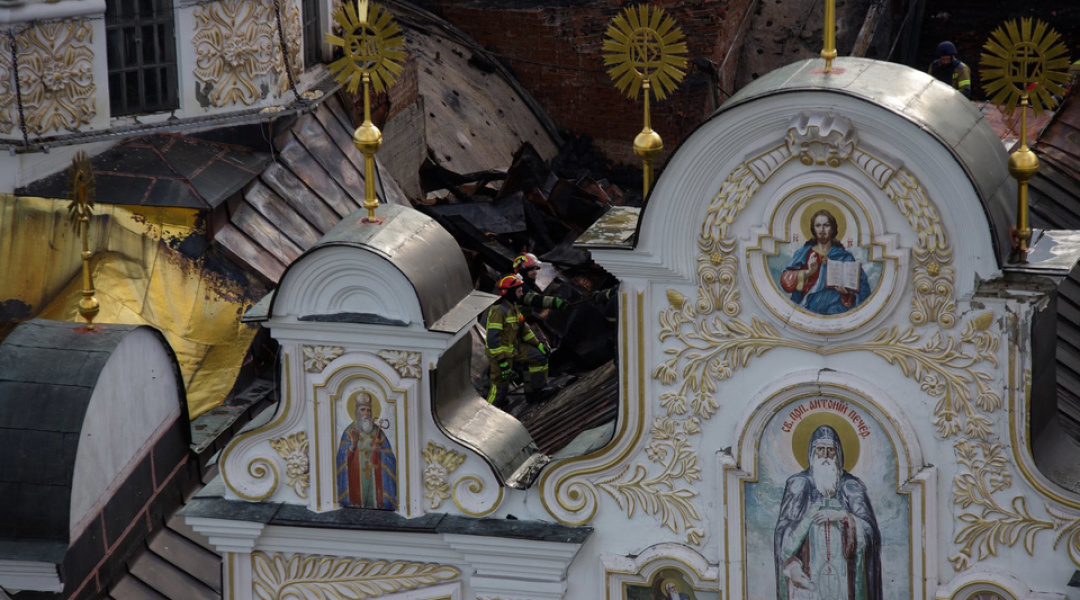
He also emphasized that attacks on such sites have not only physical consequences but also a symbolic dimension, as they represent attempts to destroy cultural heritage and historical continuity. At the same time, the Ministry of Internal Affairs is convinced that it was precisely thanks to the swift work of rescue workers that a significant portion of the exhibits was saved, including ancient icons and church vessels.
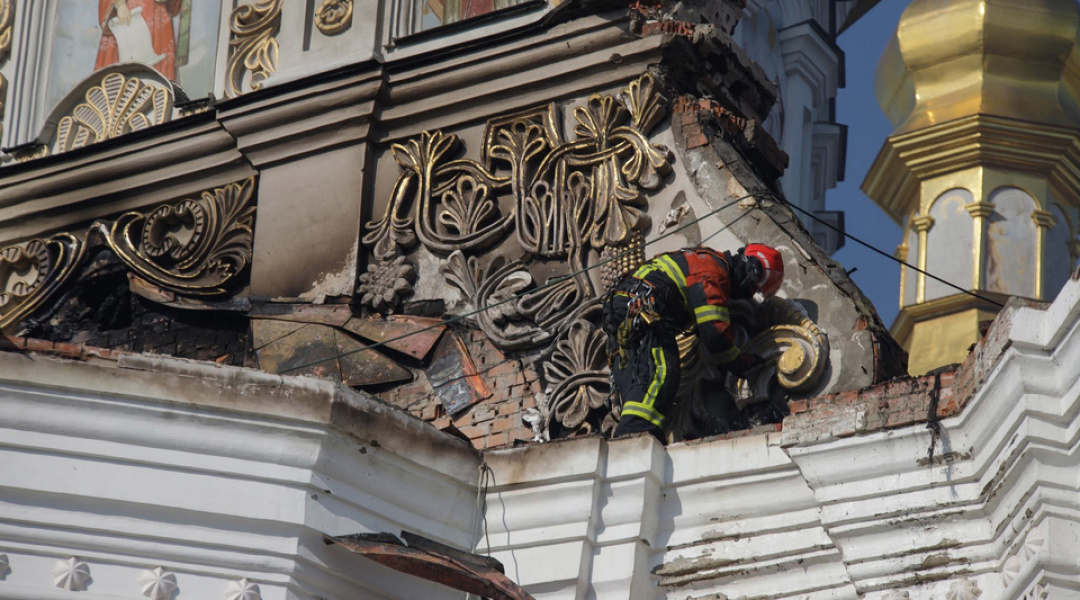
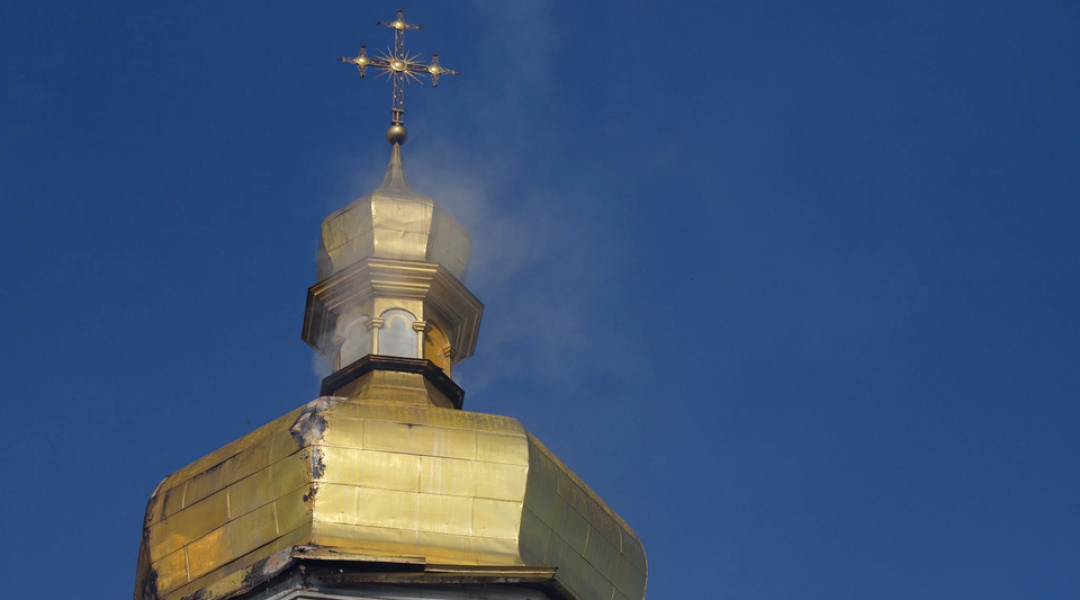
Bishop Abraham, who serves as the Lavra’s vicar, reported that an exhibition of unique icons dedicated to the Resurrection of Christ was taking place in the Assumption Cathedral at that very moment, including works from the 16th–17th centuries, such as “Descent into Hell,” “The Lord’s Entry into Jerusalem,” and “The Ascension.” Some of these works, he said, were also saved along with church artifacts. “It is symbolic that the enemy struck at the ‘Risen Christ,’ but just as Christ rises, so too will Ukraine rise,” said the bishop, describing the emotional state of the people who were at the scene.
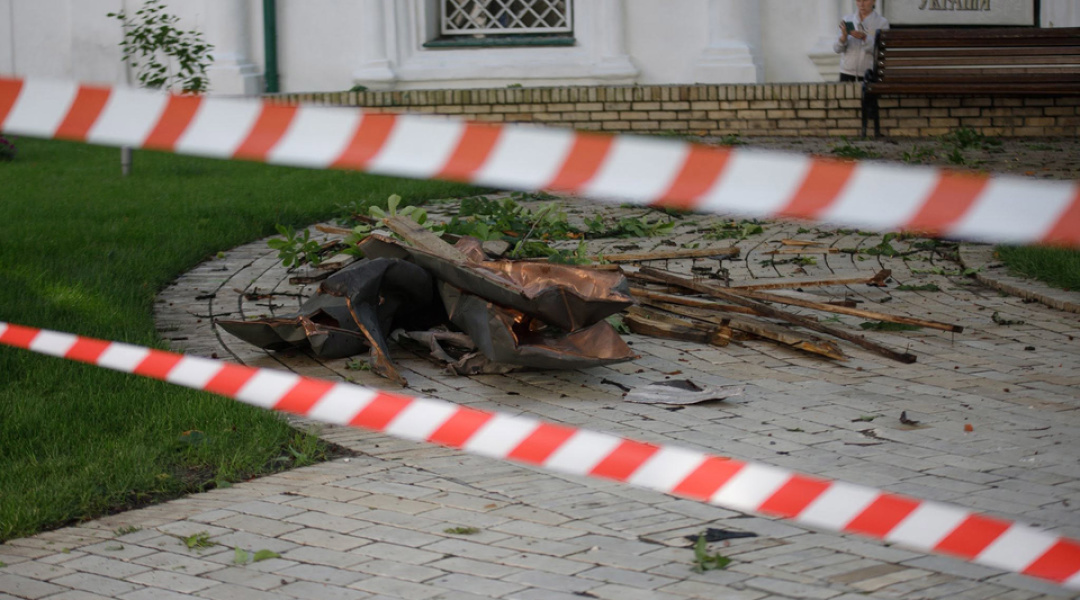
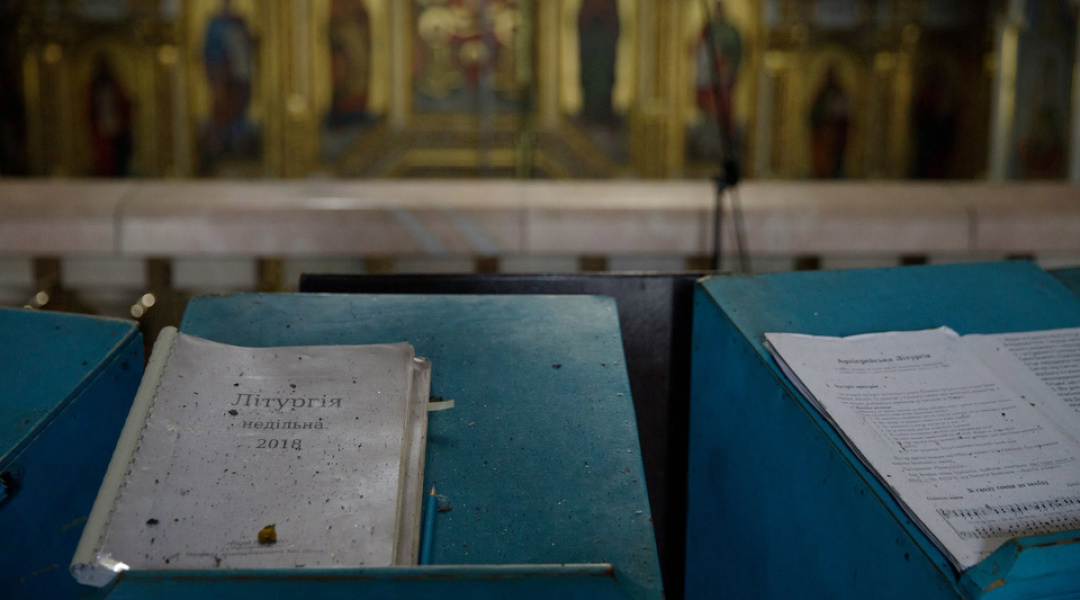
Work is currently underway at the Lavra to assess the condition of the building and clear the smoke, while experts evaluate the extent of the damage. At the same time, efforts are underway to document the losses and the preserved artifacts that were successfully removed from the fire-stricken rooms in the first minutes after the attack. Interior Minister Ihor Klymenko reported this during a conversation with journalists at the Lavra.