
The Kyiv City State Administration explained why protective coverings are being removed from monuments
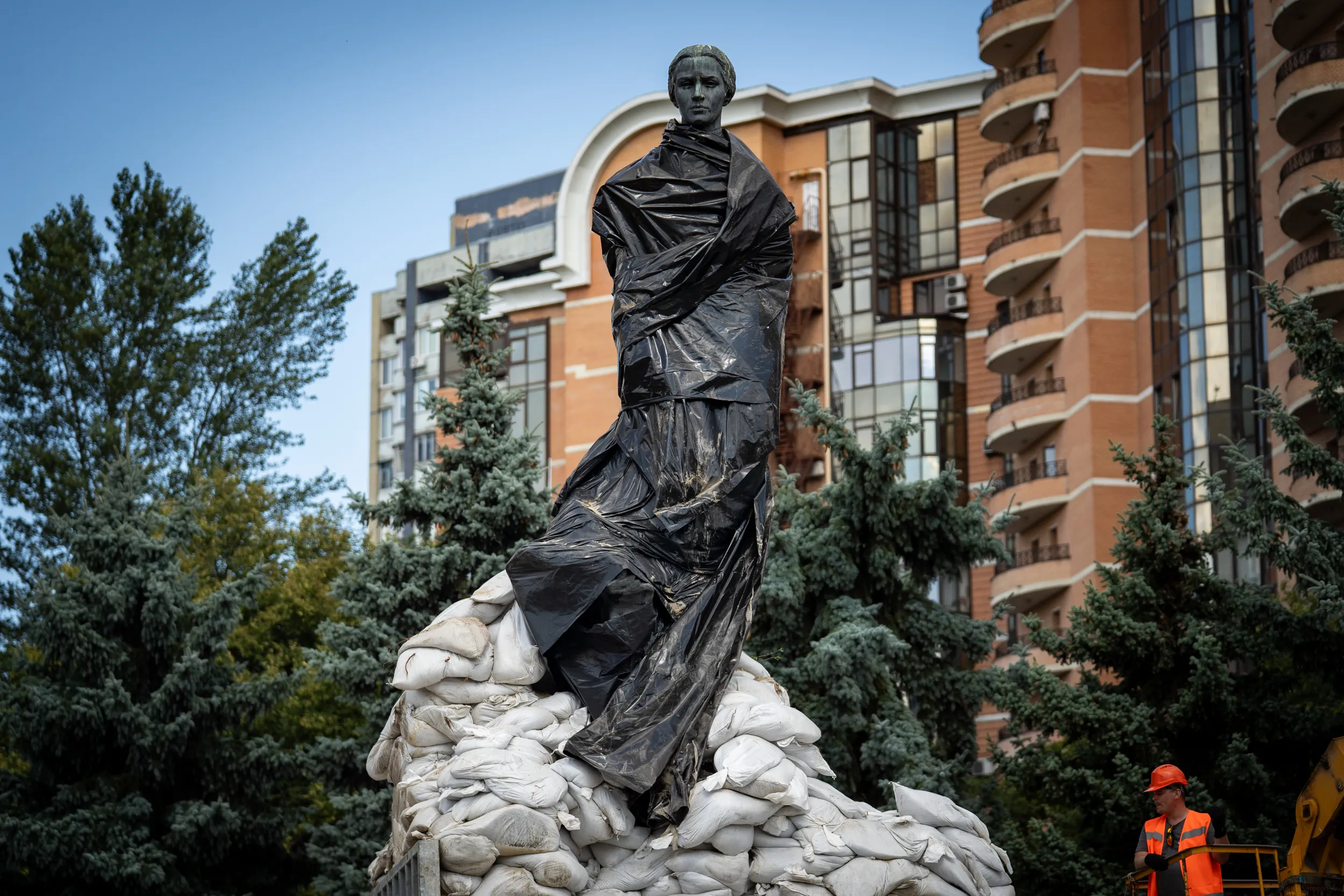
In Kyiv, the phased removal of protective structures from historical and cultural monuments—which had been covered at the start of the full-scale invasion—has begun. Such protection will not shield them from ballistic threats and may even cause harm.
Specifically, on July 30, municipal services in the Pechersk district began uncovering the monument to Lesya Ukrainka. This was reported by the Kyiv City State Administration’s Department of Culture.
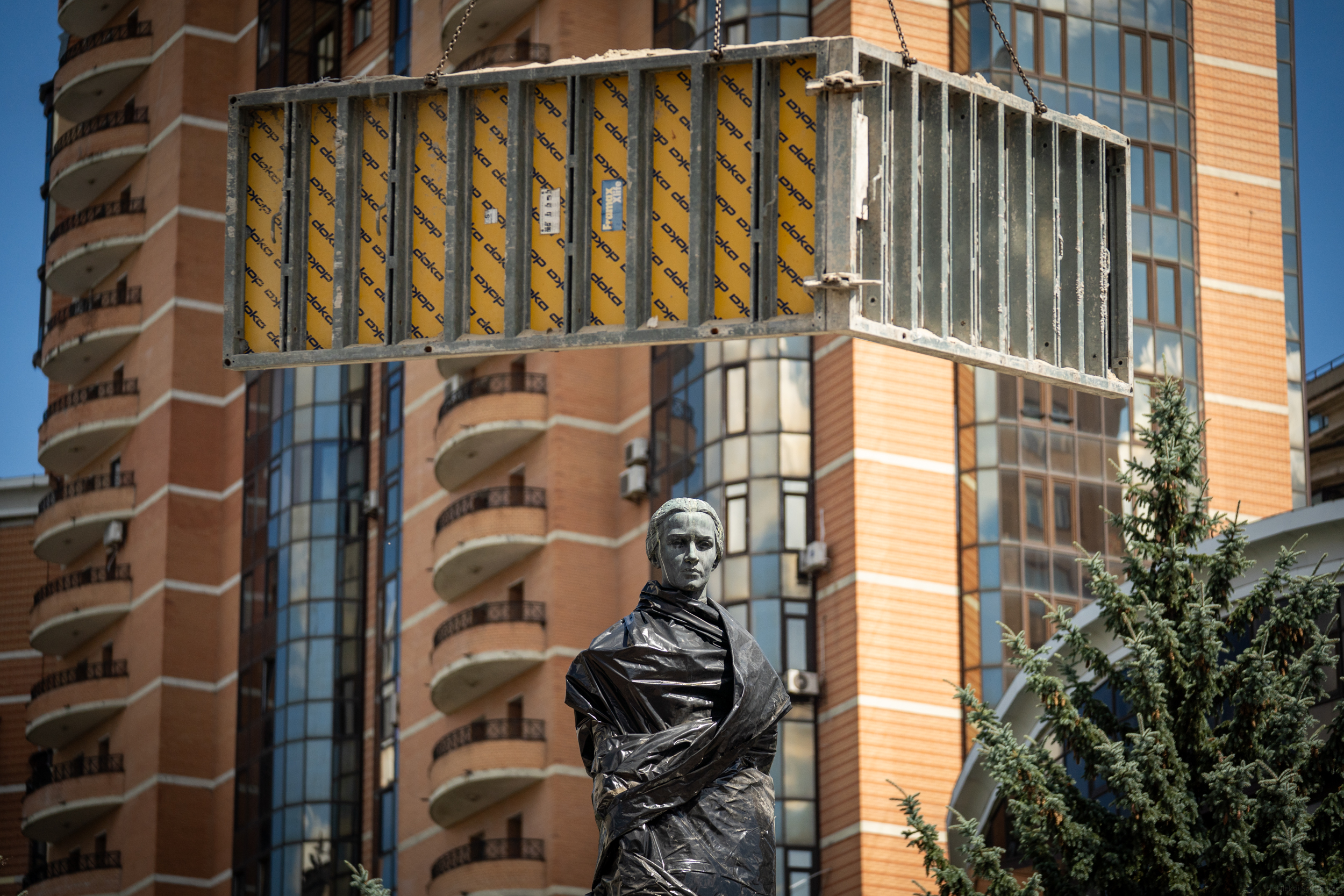
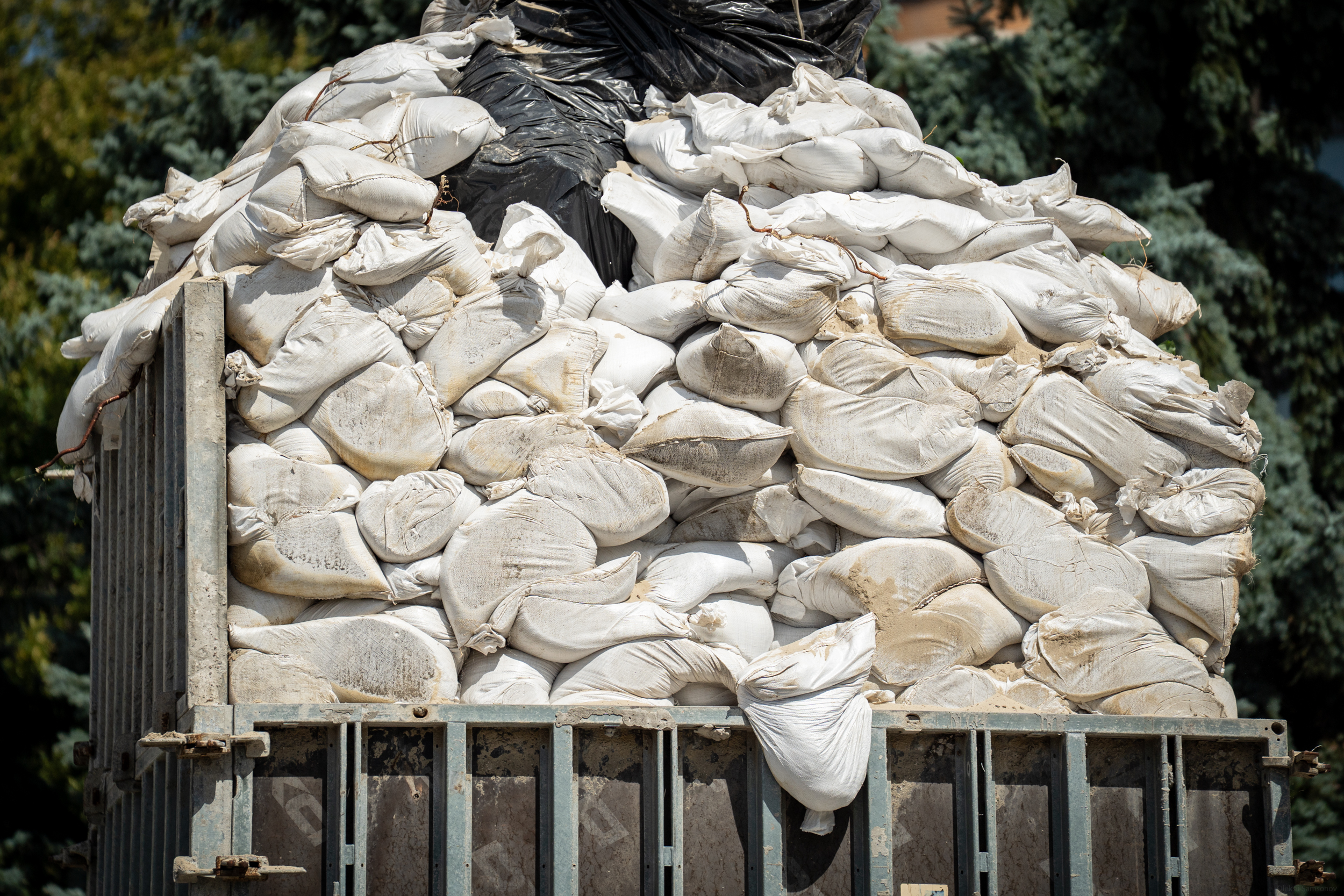
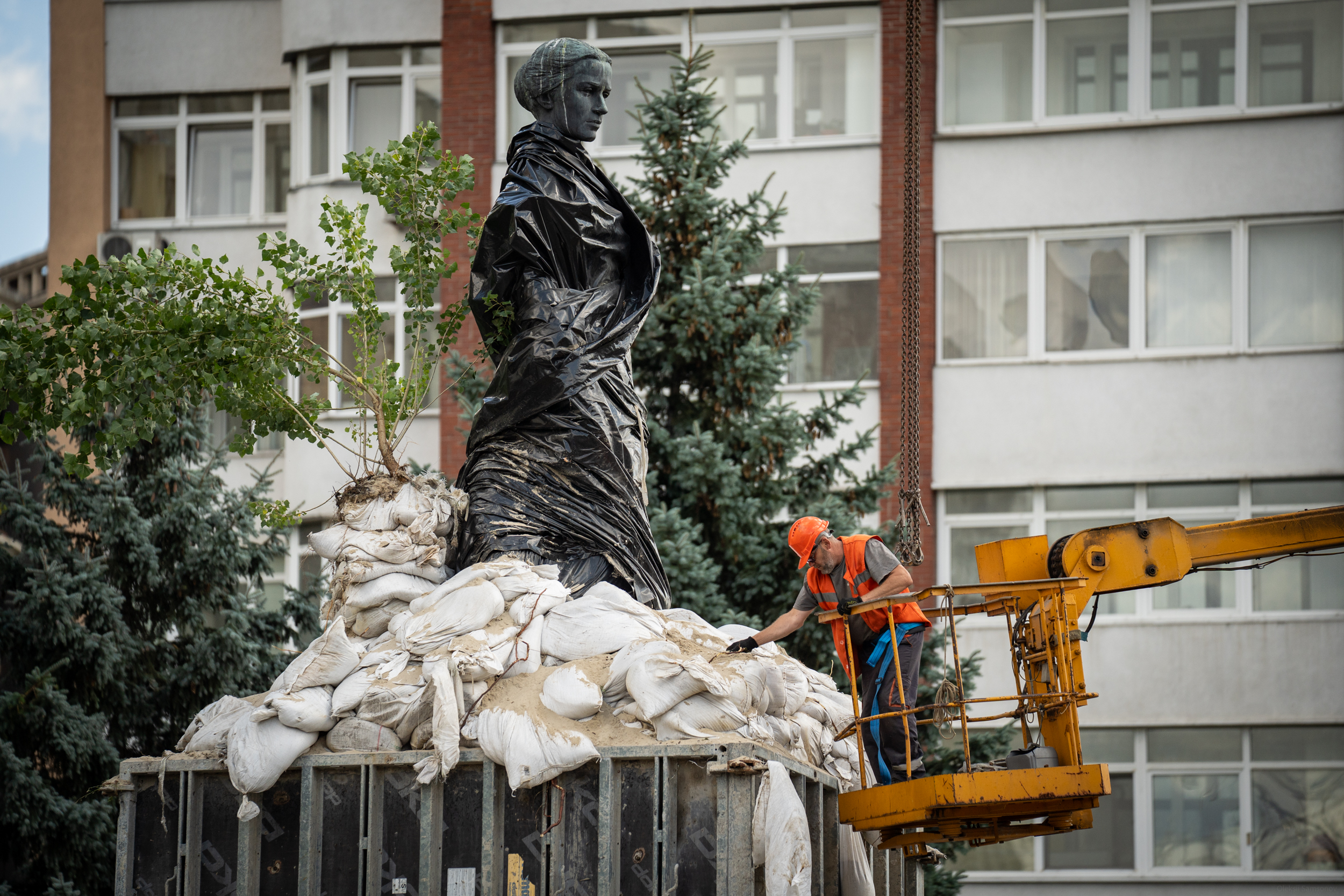
As Serhiy Anzhyak, director of the Department of Culture, explained, the nature of the threats has changed over the course of more than four years of war, as the enemy has begun to use high-powered ballistic missiles more frequently. Against such strikes, sandbags and modular structures are no longer effective and may themselves cause additional damage during the blast wave. In addition, keeping monuments under cover for extended periods without proper ventilation leads to moisture buildup and mold growth, which is particularly dangerous for sculptures made of natural materials.
From now on, the primary approach to preserving cultural heritage will be constant monitoring of their technical condition and timely restoration. After completing work on the Lesya Ukrainka monument, city authorities also plan to remove the protective covering from the monument to the founders of Kyiv in Navodnytskyi Park.
This was reported by the Kyiv City State Administration’s Department of Culture.
As a reminder, on the night of July 30, Russian troops carried out one of the largest combined attacks on Ukraine, using over 70 missiles and more than 280 attack drones. Kyiv and the surrounding region, as well as the Dnipropetrovsk, Lviv, Poltava, Kharkiv, Mykolaiv, Sumy, Vinnytsia, Cherkasy, and Ivano-Frankivsk regions, came under fire.
The Kyiv City State Administration denied reports circulating on social media that people were allegedly barred from entering the capital’s metro system during the nighttime attack on July 30.


