
45 Years Old and $1 Billion: How Beyoncé Makes Money from Music, Tours, and Her Own Brands
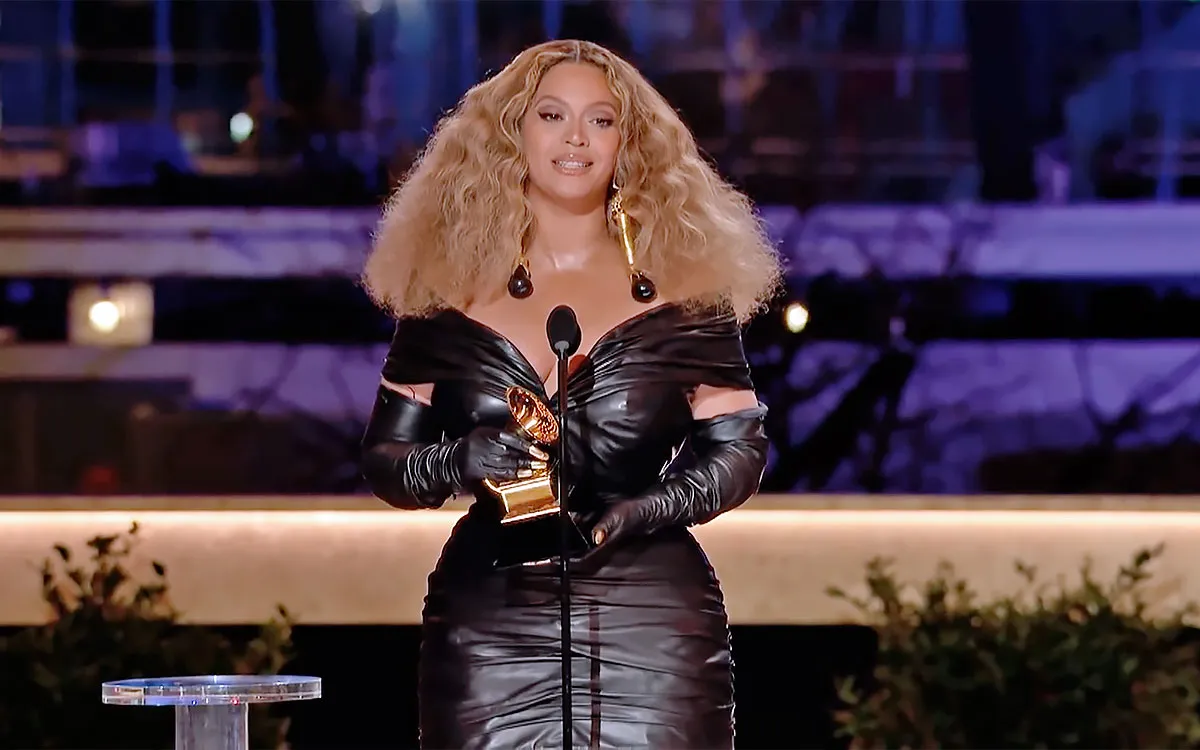
On September 4, Beyoncé celebrates her 45th birthday. Over the years, the girl from Houston, who began her career with Destiny’s Child, has become not just one of the world’s most famous singers, but a full-fledged financial empire. Today, her name is synonymous with music rights, stadium tours grossing hundreds of millions of dollars, her own brands, advertising contracts, film projects, and real estate.
In 2026, Beyoncé officially joined the billionaires’ club. According to the latest Forbes estimate, her personal fortune stands at approximately $1 billion. The publication emphasizes that, unlike many celebrities who became billionaires through cosmetics, clothing, or the sale of company shares, the bulk of Beyoncé’s wealth was built through her music career.
The scale of this enterprise is most evident at her concerts. The 2025 Cowboy Carter Tour generated more than $400 million in ticket sales. The previous Renaissance World Tour also brought in hundreds of millions of dollars. And in addition to tickets, there’s merchandise, films, advertising partnerships, and other ways to monetize the same audience.
UA.News breaks down how much Beyoncé earns, how much money her world tours bring in, how she turned music into a major business, and where her billion came from.
From Destiny’s Child to $1 Billion: How Beyoncé Turned Music into a Major Business
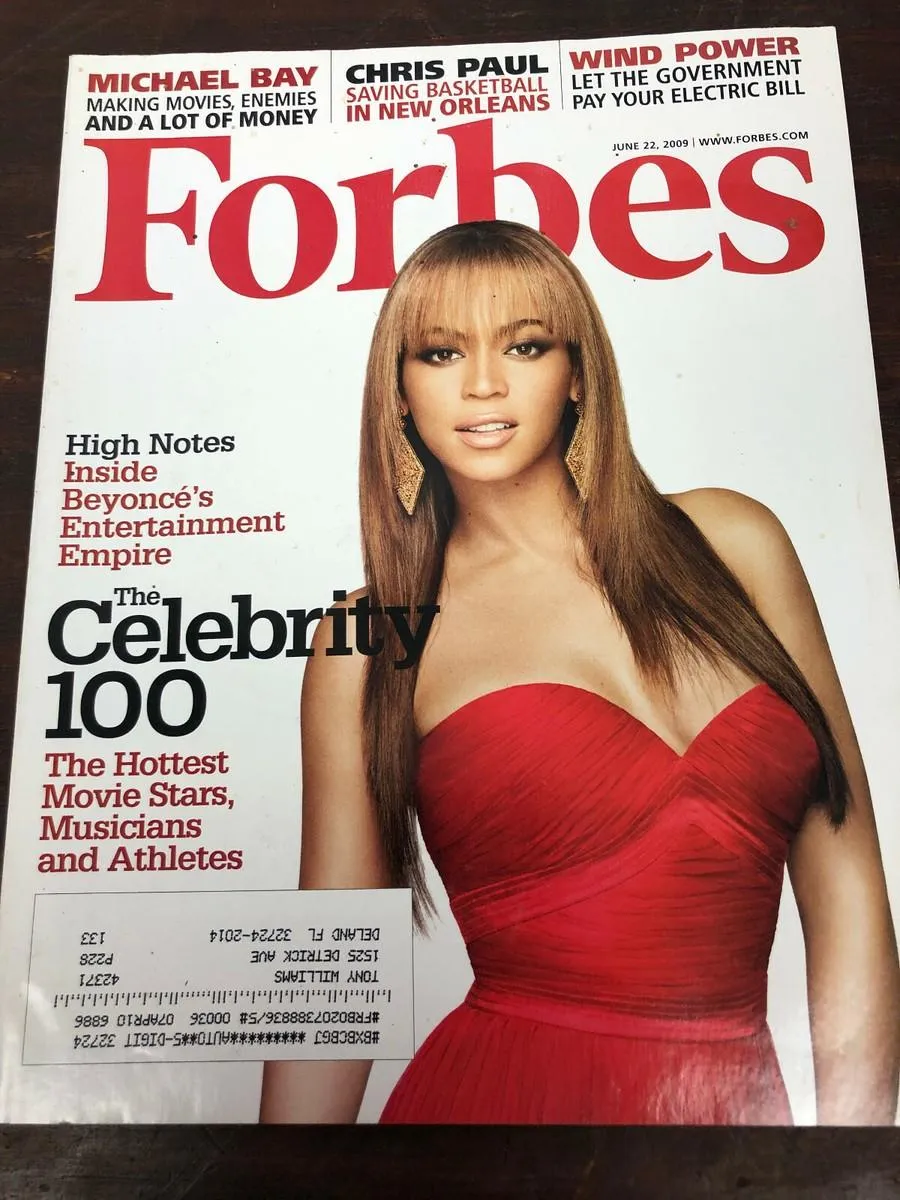
Beyoncé’s story of big money began long before her current stadium tours. First came Destiny’s Child, and in 2003, the singer released her first solo album, *Dangerously in Love*. Over time, her solo career gradually became her main asset, one that continues to generate income even a decade later.
Today, Forbes estimates Beyoncé’s net worth at approximately $1 billion and explicitly states that most of her wealth comes from nearly three decades in the music industry—first with Destiny’s Child and then as a solo artist.
However, the very model by which the singer earns her income has gradually changed. Beyoncé is no longer simply an artist who records an album, goes on tour, and receives her share of the proceeds. She has begun to take control of more and more stages of her own product’s production.
Parkwood Entertainment—Beyoncé’s company, which handles management, music and video production, concert projects, and other aspects of her career—has become a key element of this system.
In other words, Beyoncé is both an artist and, in effect, the owner of a business that sells a product called Beyoncé.
This is a fundamental difference. In the traditional music industry, there is an entire chain of companies between the celebrity and the end consumer: the label, producers, management, concert promoters, and other intermediaries. The more functions an artist controls herself, the greater the portion of the final profit she can potentially keep for herself.
Beyoncé’s music catalog is a separate asset. Her songs continue to generate revenue through streaming, radio airplay, licensing, and other uses even when she isn’t releasing new music.
Therefore, a net worth of one billion dollars does not mean that this amount is sitting in her bank account. It refers to the approximate total value of her businesses, music rights, real estate, investments, and accumulated capital.
But Beyoncé’s financial standing began to grow particularly rapidly thanks to her recent concert tours.
Nearly $1 billion from two tours: how much do Beyoncé’s concerts bring in?
Stadium concerts are now one of the main money-making machines in the global music industry. Beyoncé is leveraging this model to the fullest.
The 2023 Renaissance World Tour became one of the largest touring projects of her career and generated hundreds of millions of dollars in box office revenue. And in 2025, Beyoncé embarked on the Cowboy Carter Tour.
According to Billboard Boxscore, just 32 concerts on this tour generated $407.6 million in gross revenue. They were attended by approximately 1.6 million people.
On average, that’s about $12.7 million in box office revenue per concert—or more than $250 per attendee, if you simply divide the total box office by the number of attendees. For comparison, Post Malone took second place among 2025 country tours, according to Billboard, with $231.1 million. In other words, Beyoncé outpaced her closest competitor by nearly $177 million.
The Cowboy Carter Tour ultimately set a record among country tours according to Billboard Boxscore statistics. If you add the revenue from the Renaissance World Tour to that, Beyoncé’s last two major tour cycles together sold nearly $1 billion in tickets.
But it’s important to make a key clarification here: the tour’s box office revenue is not Beyoncé’s personal income. From those hundreds of millions of dollars, expenses must be covered for stadium rentals, the stage, sound, lighting, logistics, salaries for musicians, dancers, and technical staff, insurance, security, taxes, commissions, and dozens of other costs.
A major modern stadium tour is essentially a company that travels from city to city over the course of several months.
In Beyoncé’s case, it’s also an extremely complex show featuring massive sets, screens, costumes, choreography, and hundreds of staff members.
However, it is precisely the ability to regularly put on tours that generate hundreds of millions of dollars in box office revenue that makes Beyoncé such a valuable asset.
Tickets Are Just the Beginning: How Beyoncé Makes Money from a Single Tour Multiple Times
A key feature of major artists’ business models is that a concert can effectively be sold to a single person multiple times. First, a fan buys a ticket. At the stadium, they might buy a T-shirt, a hoodie, a poster, or other official merchandise. The performance itself can then be filmed and turned into a concert film.
The music from the tour continues to be streamed. The artist’s imagery can be used in major advertising campaigns. This is exactly how Beyoncé approached *Renaissance*.

After the tour ended, she released *Renaissance: A Film by Beyoncé*. In this way, a massive show that had already generated hundreds of millions of dollars in ticket sales was transformed into a standalone film.
This is a very important part of the modern superstar economy. The costs of creating the show are enormous, but the content produced during the tour can be reused.
Beyoncé has used a similar model before. Her famous performance at Coachella later became the basis for the concert documentary *Homecoming* for Netflix. In other words, for an artist of her caliber, a major show is no longer just one night or a single ticket.
It’s intellectual property that can be monetized in various formats. And the scale of Beyoncé’s audience allows her to do this on a level that’s out of reach for the vast majority of musicians.
Not Just Concerts: How Else Does Beyoncé Make Money?
Although music remains Beyoncé’s primary source of wealth, she has long been trying to expand her business empire beyond the stage. One of these ventures is Cécred, her own brand of hair care products.
Another is the alcohol business. In 2024, Beyoncé partnered with Moët Hennessy to launch SirDavis, an American whiskey.
This isn’t just an endorsement deal where the singer’s photo was placed on the bottle. LVMH officially refers to SirDavis as a joint venture between Beyoncé Knowles-Carter and Moët Hennessy.
The initial suggested retail price per bottle was $89. The financial terms of the partnership have not been disclosed, so it’s impossible to say exactly how much SirDavis has already earned Beyoncé.
However, this model is potentially much more profitable than a standard advertising contract. When a celebrity endorses someone else’s product, they receive a fee. When a celebrity owns a stake in their own brand, they can earn a profit from sales and simultaneously increase their personal wealth as the company’s value grows.
A significant portion of modern celebrity businesses is built on this very logic. Beyoncé has also had less successful ventures. For example, she developed the fashion brand Ivy Park, notably in partnership with Adidas, but that collaboration eventually came to an end.
In other words, simply being one of the most famous women in the world does not guarantee success for every business venture. However, Beyoncé has an advantage that is nearly impossible to buy with money: a global audience.
35 Grammys and a decade at the top: why Beyoncé’s name has become an asset in and of itself
Beyoncé’s main business asset is difficult to record in a financial report—it’s her name. She has remained a global-scale artist for decades and consistently maintains her status as one of the music industry’s biggest stars.
According to official Grammy Awards data, Beyoncé has 35 wins—more than any other artist in the award’s history.
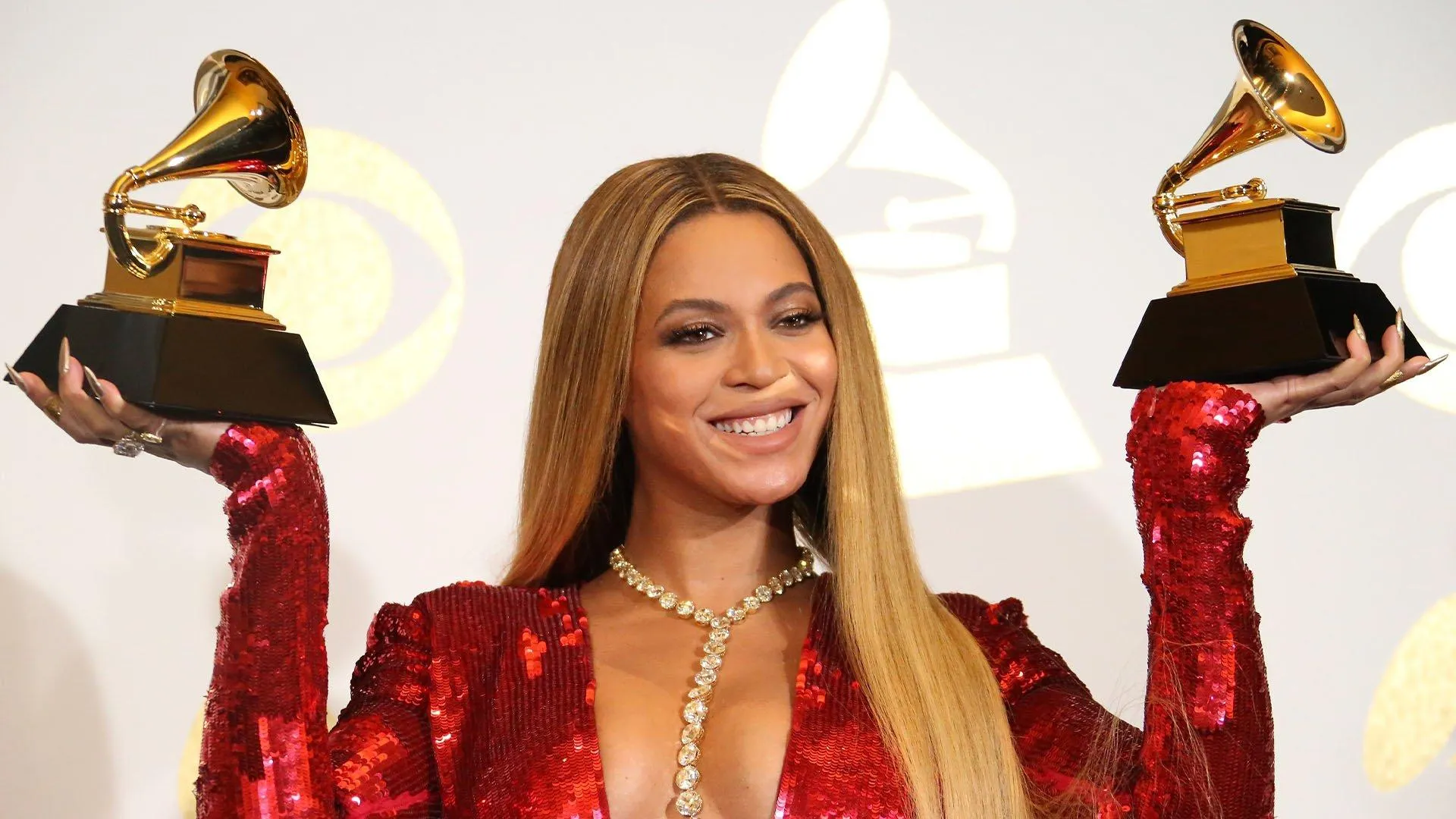
In 2025, *Cowboy Carter* earned her three more Grammys, including her first-ever Album of the Year award. She also became the first Black woman to win in the Best Country Album category. In total, Beyoncé has already received 99 Grammy nominations—which is also a record.
She became the first Black woman to headline Coachella, and her large-scale concert projects regularly turn into cultural events. This has direct financial implications.
The stronger an artist’s brand, the more expensive the tickets they can sell. The more people will buy merchandise. The more lucrative advertising contracts companies are willing to sign. And the easier it is to sell not only music, but also cosmetics, alcohol, or other products.
Beyoncé and Jay-Z: Nearly $4 Billion Between Them
It’s difficult to discuss Beyoncé’s financial story without mentioning her husband, Jay-Z. The couple married in 2008 and have three children.
That said, Jay-Z became a billionaire before his wife and remains significantly wealthier today. As of September 3, 2026, Forbes estimates Jay-Z’s net worth at $2.8 billion.
Combined with Beyoncé’s approximately $1 billion, the couple’s combined net worth totals about $3.8 billion. And while Beyoncé has built a significant portion of her wealth through music and touring, Jay-Z has long been primarily an entrepreneur and investor.
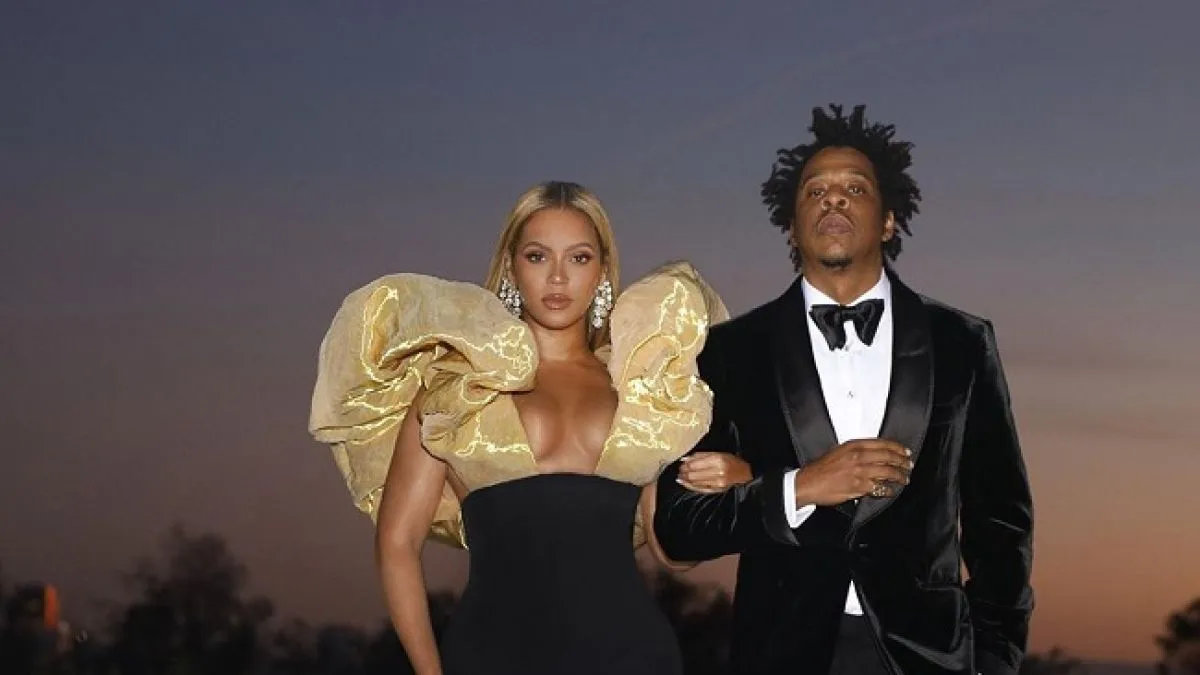
He became the first hip-hop billionaire back in 2019 and has since more than doubled his net worth. The alcohol business has played a huge role in this.
As Forbes notes, in 2021, Jay-Z sold 50% of the Armand de Brignac champagne brand—known as Ace of Spades—to the LVMH group. In 2023, he also sold a controlling stake in the D’Ussé cognac brand to Bacardi.
In addition, Jay-Z is the co-founder and chairman of Roc Nation, owns a music catalog and an art collection, and has investments in various companies. Forbes also ranks him among the world’s richest celebrities: in the 2026 Celebrity Billionaires list, his net worth was estimated at $2.8 billion.
The couple’s spending habits are commensurate with their wealth. According to Forbes, in 2023, Beyoncé and Jay-Z purchased a mansion in Malibu for approximately $200 million. At the time of the deal, it was the most expensive residential home ever sold in California.
A Billion from Music: Why Beyoncé Remains a Financial Phenomenon
The most interesting thing about Beyoncé’s financial story isn’t even that her net worth has reached $1 billion. There are already plenty of billionaire celebrities in the world. What’s far more interesting is exactly how that money was earned.
For many stars, their primary wealth comes from establishing a large side business. A person becomes famous through music, film, or television, but becomes a billionaire through cosmetics, clothing, or a tech company.
With Beyoncé, the model is different. Forbes explicitly states that the majority of her wealth was built through a nearly thirty-year music career.
She has turned this career itself into a system. An album generates interest in a tour. The tour sells hundreds of thousands or millions of tickets. Merchandise is sold at concerts. The concert itself can become a movie.
Advertising partners can use imagery from this new musical era. And that massive audience then becomes a potential buyer of Beyoncé’s other products. The most striking example is the Cowboy Carter Tour: just 32 shows, according to Billboard, generated $407.6 million in box office revenue.
In fact, a single major tour can generate hundreds of millions of dollars in economic activity. And Beyoncé can replicate this model again and again. This is likely her most valuable asset: not a single house, not a single brand, and not even a single music catalog, but the ability to fill stadiums around the world and transform the attention of millions of people into a massive business ecosystem.


