
Pakistani dramas address trauma and family control — Dawn
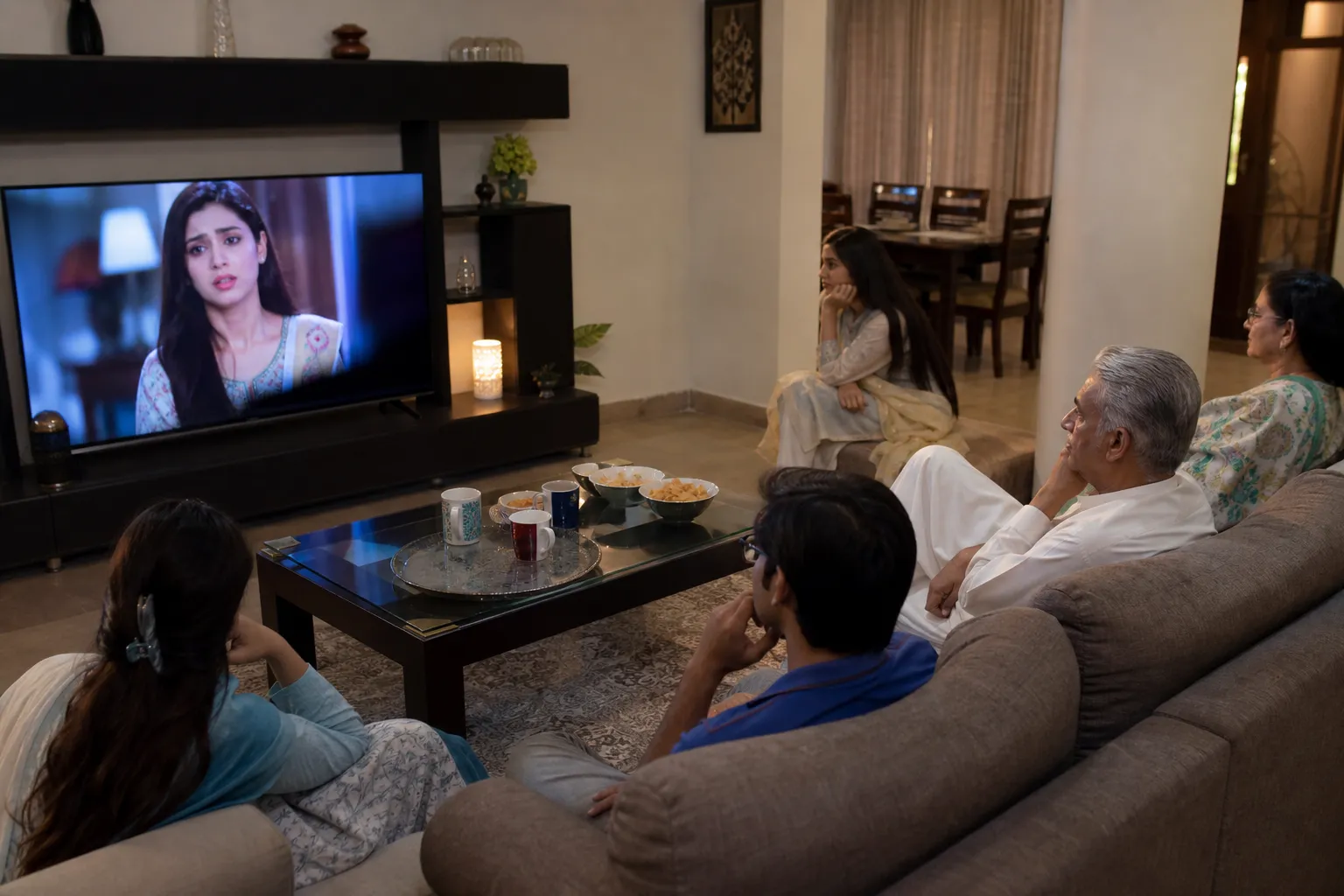
Television dramas in Pakistan are increasingly addressing psychological trauma, remarriage, family pressure and the stigmatization of women, Dawn reports. The publication notes that popular series use familiar family and romantic storylines to show the consequences of rigid traditions, control and unequal treatment of family members.
Remarriage and the right to choose
As examples, Dawn cites the series Dobara, Qarz-i-Jaan and Kafeel. In these stories, heroines who have been widowed or divorced try to build new relationships despite the disapproval of those around them. The author of the article believes that such plots challenge the cultural stigma surrounding second marriages and show a woman's right to consider her own emotional needs.
According to the publication, the series Jama Taqseem addresses the problems of several generations living together. After marriage, its heroine Laila faces criticism from her husband's relatives over her clothing, work and household skills. At the same time, the plot shows how older family members gradually recognize the unfairness of such treatment. The article emphasizes that the problem is not the large family itself, but double standards and the desire to control others.
Children and those affected by condemnation
The dramas Bas Tera Sath Ho and Zabt address discrimination against children left without parental care or raised by relatives after their parents' divorce. The characters Anas and Aun face prejudice in families where they are perceived as a burden. In Bas Tera Sath Ho, Anas's rights are defended by his grandfather and aunt, while in Zabt, Aun is lovingly raised by his grandmother. In the author's view, it is not enough merely to provide a child with housing: the child must feel valued and protected.
More current news is available on the UA.News Telegram channel Telegram.
Separately, Dawn draws attention to storylines about sexual harassment, the condemnation of women and reputational pressure. In Jama Taqseem, a grandfather and grandmother support a girl harassed by her cousin and do not force her to marry her abuser. In Bas Tera Sath Ho, the heroine faces significant condemnation after an AI-generated fake explicit video is circulated.
Control in the relationship between a mother and son
The series Zabt also shows the destructive impact of a mother's excessive control over her son. The character Shami is unable to stand up for his wife because of his dependence on his domineering mother Arfa. The article's author describes this conflict as a cycle in which the son is given no room for independence, while the daughter-in-law is perceived not as a partner but as a rival.
Dawn notes that amid limited access to psychotherapy, such series give a broad audience a reason to talk about trauma, family boundaries, dignity and compassion.


