
Mexican Family Beliefs About Witches, Babies and Tortillas
Mexico marked Grandparents’ Day on August 28, an annual holiday that has existed since 1983. In families, grandparents often help care for children: they pick them up from school, cook meals and watch them while their parents work. According to El Comentario, a publication of the University of Colima, about 30% of children in the country are under the care of their grandparents.
Mexico News Daily compiled a selection of family beliefs and advice that Mexicans associate with the experience of older generations. They cover ideas about pregnancy, food, weather, illness, death and supernatural phenomena.
Beliefs About Children and Food
Among the beliefs mentioned is advice for pregnant women to wear a safety pin on their stomach during an eclipse in order to protect the child. There is also a belief that an unfulfilled craving of a pregnant woman can affect a baby’s appearance, while a red bracelet on a newborn’s arm supposedly protects it from a witch.
Another belief advises attaching a red thread to a baby’s forehead with saliva in cases of cough, fever or hiccups. Some signs link the shape of a pregnant woman’s belly to the sex of the future child or suggest that visiting the sea during pregnancy may affect the child’s eye color.
More current news is available on the UA.News Telegram channel Telegram.
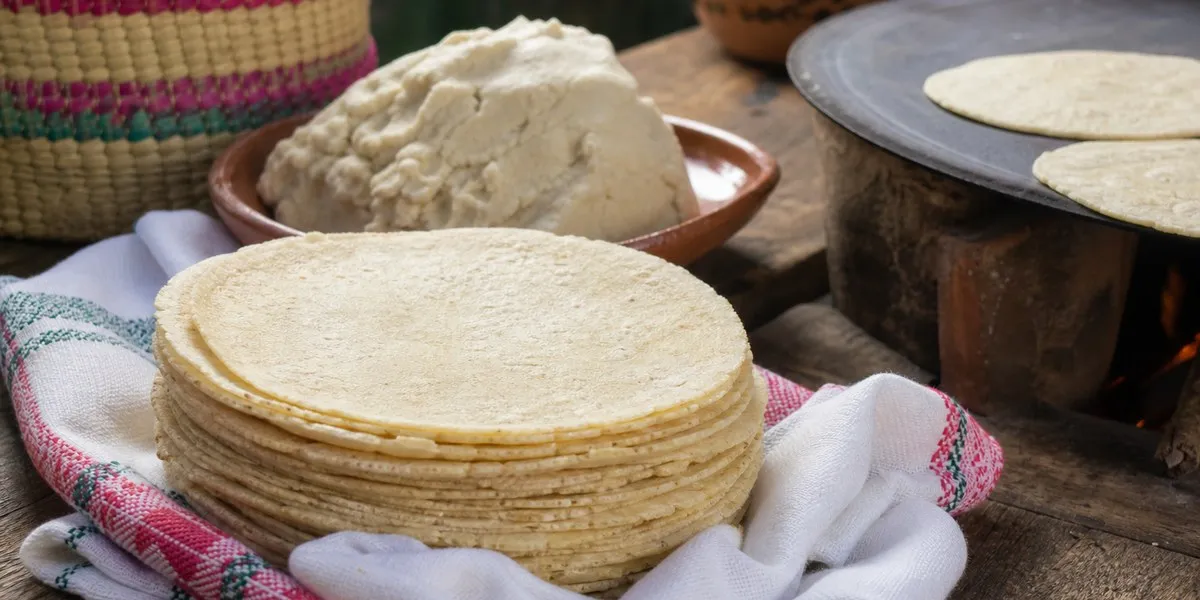
Many instructions concern food. For example, watermelon is not recommended in the evening because of possible bloating, while cucumber ends are suggested to be rubbed to remove bitterness. According to one belief, a tortilla must not be eaten upside down, otherwise the “insides will turn over.” Pozole, a traditional Mexican dish, is advised to be washed down with a carbonated drink or tea, but not fruit water.
Witches, Weather and Household Rituals
In folklore, red balls in the night sky may be considered witches: if they appear close, the witch is supposedly far away, and vice versa. To cleanse negative energy, some traditions call for rubbing the body with an egg. The crying of La Llorona — the heroine of a legend about a mother who drowned her children in a river — is also interpreted in reverse: a nearby sound supposedly means that she is far away.
Weather signs include the custom of burying a knife in the ground to stop rain. The first 12 days of the year, known as cabañuelas, may, in folk beliefs, predict the weather for each of the 12 months. And to make unwanted guests leave more quickly, a broom is placed upside down behind the door.


