
Translator Deepa Bhasthi criticized the use of AI in literature
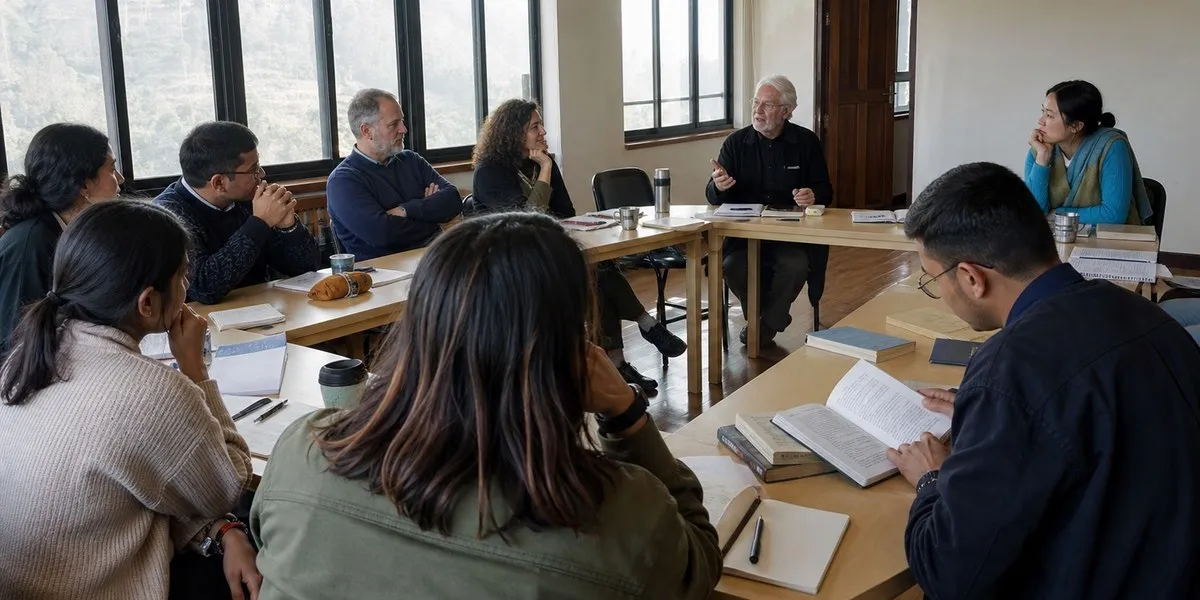
Indian translator and International Booker Prize winner Deepa Bhasthi criticized the use of artificial intelligence in creative fields during a literary translation workshop in Dhulikhel, Nepal. She said this in an interview with The Kathmandu Post.
Translation and the rhythm of language
Bhasthi became the first Indian translator to win the International Booker Prize in 2025 for her English translation of writer Banu Mushtaq's collection “Heart Lamp.” The book includes 12 short stories written over more than 30 years about the everyday lives and hardships of women in southern India. It was the first collection translated from Kannada to win the International Booker Prize.
The translator believes that literary translation should not fully adapt a text to English. In her view, it should preserve the soul of the original language, its musicality and rhythm. Decisions on whether to translate, leave untranslated, or transliterate individual words should, she said, be made depending on the specific work.
More current news is available on the UA.News Telegram channel Telegram.
Criticism of artificial intelligence
Bhasthi stated that, in her opinion, AI is not yet capable of translating literary prose. She linked literary translation to human experience, emotions and critical thinking, and called attempts to pass off machine-generated results as human work insulting to human intelligence.
At the same time, the translator noted that AI can be used in science and medicine, but spoke out against its use in creative fields. She advised young translators to read more, develop critical thinking, and turn to the literatures of South Asia.
Workshop in Nepal
Bhasthi came to Dhulikhel as one of the mentors of a three-day literary translation workshop at the Kathmandu University campus. The event was jointly organized by the university's Department of Languages and Mass Communication and the University of Chicago's South Asian Literature in Translation program. The workshop was attended by writers and translators working with Nepali, Maithili, Tibetan and Nepal Bhasa.


