
A 1,200-year-old hidden settlement was discovered in Mexico during the construction of a railway
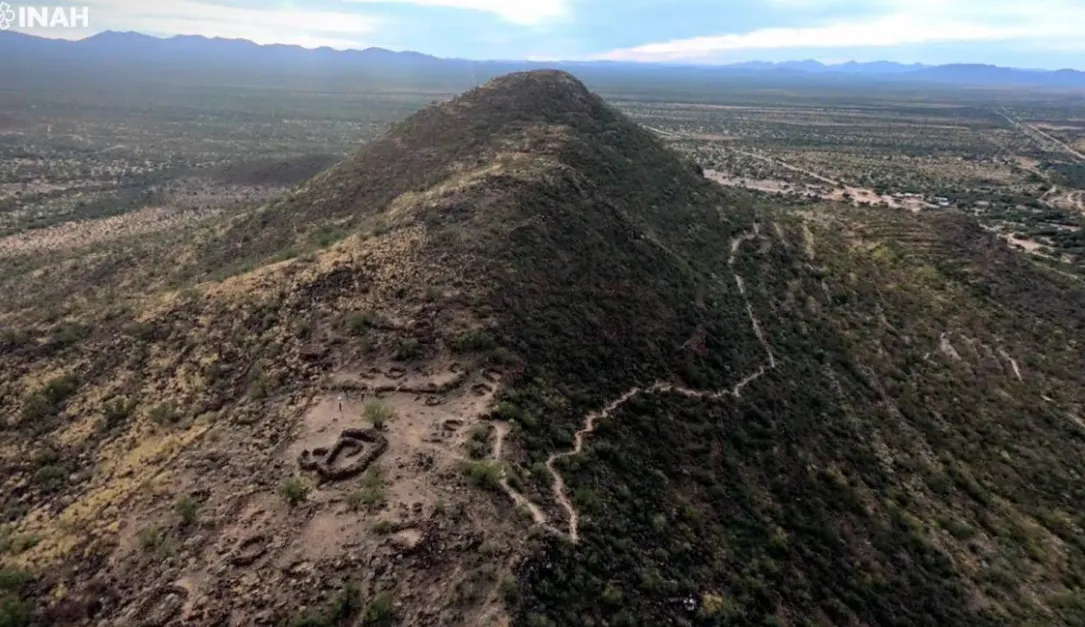
While constructing a new railway line in Mexico, workers stumbled upon an ancient settlement dating back about 1,200 years.
This was reported by the Daily Galaxy, citing the National Institute of Anthropology and History of Mexico (INAH).
The archaeological find was discovered during rescue excavations related to the construction of the Imuriz–Nogales bypass railway line in the state of Sonora, near the border with the United States.
The settlement, known as La Sienega, is located in the valley and canyon of the Cocospera River. Archaeologists have determined that there were once about 60 houses on an area measuring approximately 250 by 250 meters, although researchers previously knew of only ten structures.
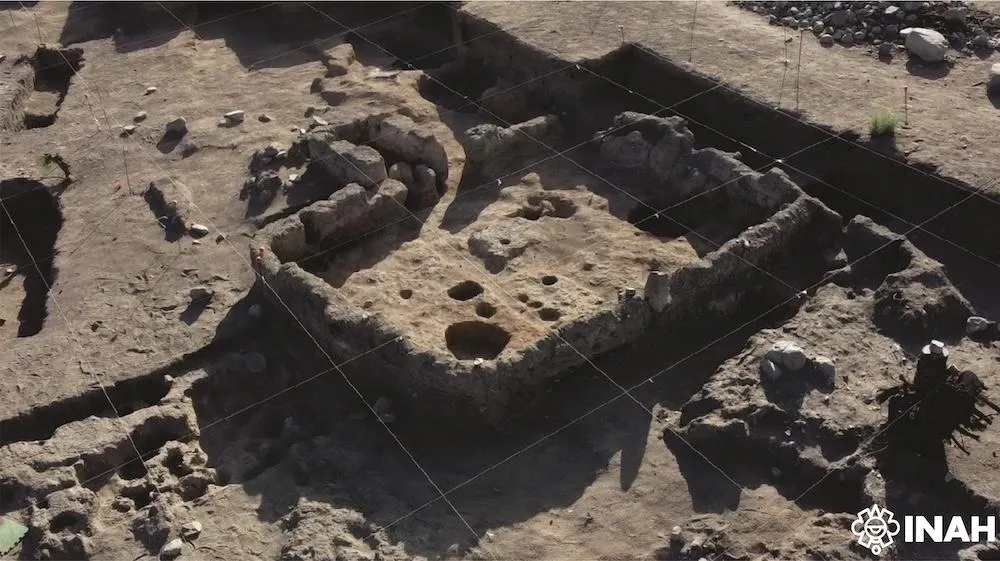
A distinctive feature of the settlement was the semi-subterranean houses of oval and rectangular shapes, which were dug 1–2.2 meters into the ground. Scientists believe that several generations of residents rebuilt these dwellings, creating entire family complexes.
In addition to the residential structures, archaeologists discovered two burial zones containing over 100 human remains. Among them were about 40 traditional burials, where the bodies were buried in a flexed position, as well as 28 cremations, during which the remains were placed in ceramic vessels.
In some graves, shell ornaments were found, which may indicate social stratification within the community.
Researchers suggest that the settlement was an important border point for the exchange of resources between different cultures. Two sites with rock art were also discovered in the area.
According to archaeologists, the inhabitants chose this location because of its access to fertile land and a water source.
We previously reported that the recent discovery of two skeletons mutilated in the same manner suggests that limb amputation was used as a punishment during the Eastern Zhou Dynasty in China, over 2,000 years ago.
We also recall that during excavations in the ancient city of Laodicea in the Turkish province of Denizli, which is included on UNESCO’s tentative list of World Heritage Sites, a statue of Asclepius, the god of medicine in Greek and Roman mythology, and the head of a statue of his daughter Hygieia were discovered.


