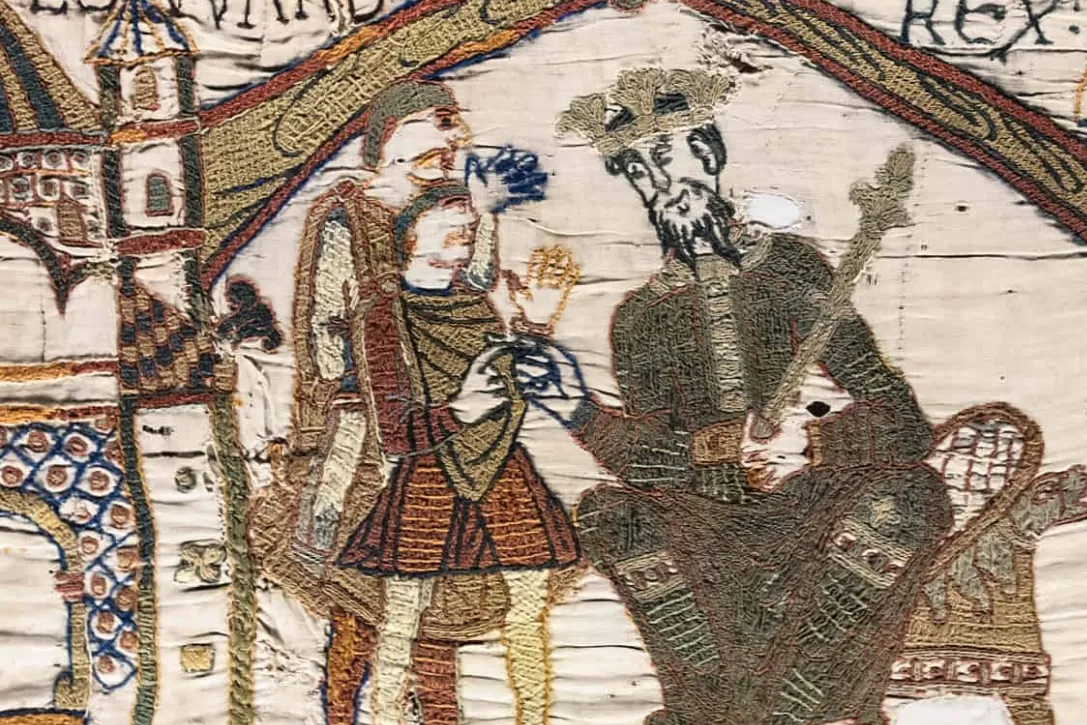
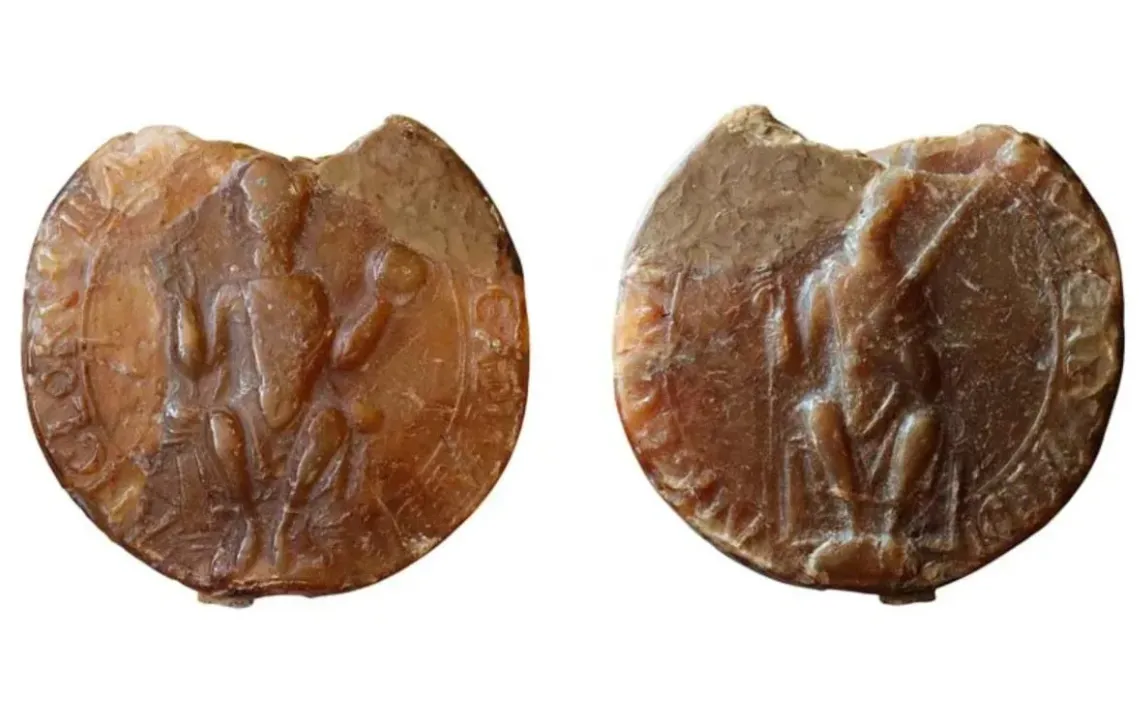
A rare 11th-century artifact has been discovered in France—a wax seal belonging to King Edward the Confessor of England, which had been believed lost since the 1980s.
The discovery was made by a graduate student and a curator at the National Archives in Paris while working with a collection of damaged documents. It turned out that the seal had been placed in the appropriate section back in the 18th century, where it remained for decades.
Edward the Confessor ruled England from 1042 to 1066 and was canonized by the Church.
According to researchers, the seal found is the best-preserved impression among the known examples used by the monarch.
Scientists also determined that the artifact underwent restoration in the late 20th century, although it was believed to be lost at the time.
Researchers note that the seal’s design indicates close ties between England and Byzantium as well as continental Europe. In particular, it features elements associated with Byzantine culture, which could alter our understanding of England’s international contacts at that time.
Scientists have presented a new hypothesis regarding the construction of the Pyramid of Cheops
Recently, at the Grand Egyptian Museum, staff began assembling an ancient wooden boat that belonged to Pharaoh Cheops in front of the public.