
US to Open Exhibition on the Art of Nguni Communities
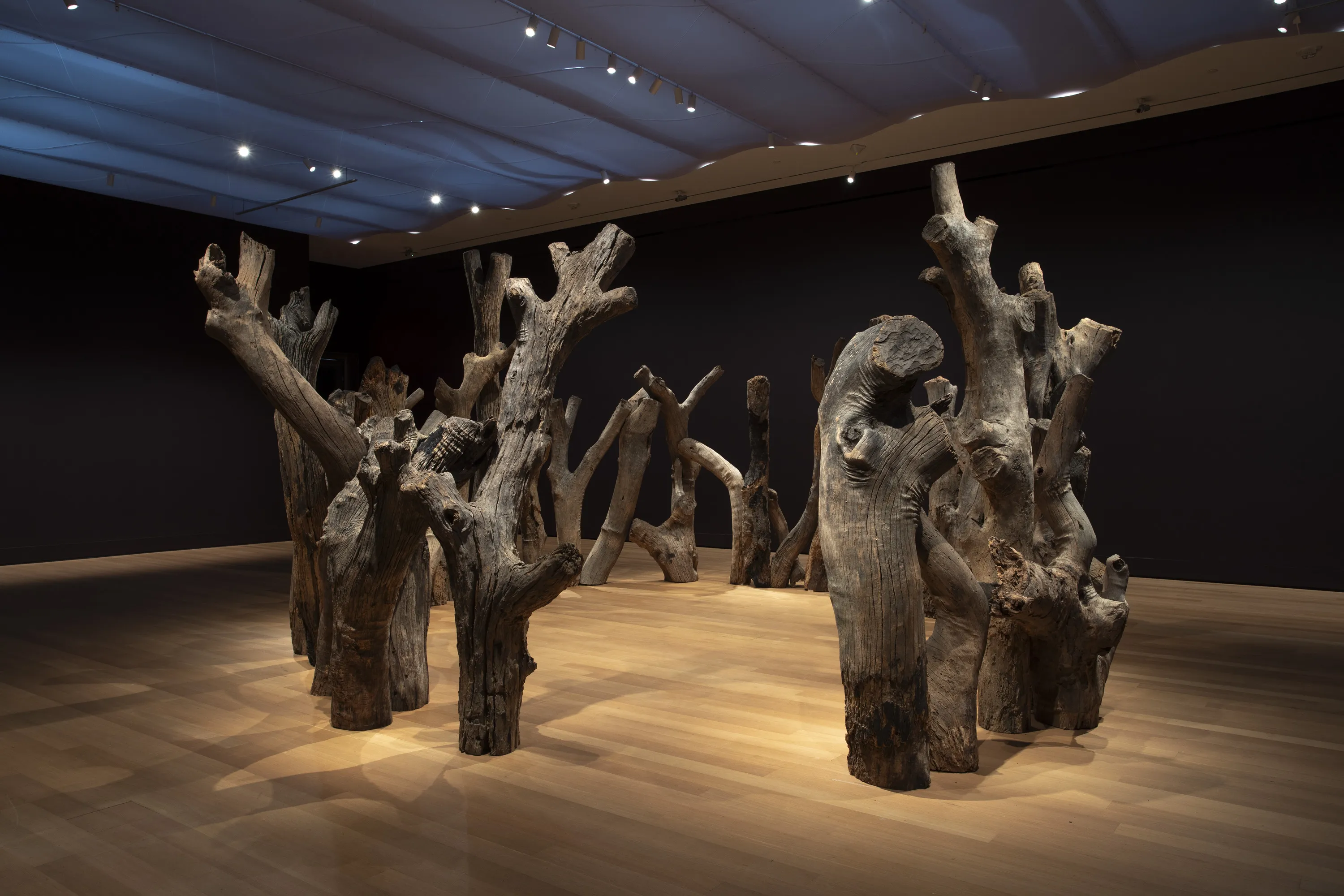
The Yale University Art Gallery in New Haven, United States, will open the exhibition Nguni: Migrant Nations of Southeast Africa on September 11, 2026, dedicated to the art of Nguni communities. The exhibition will bring together 150 works from the 19th and 20th centuries, including rare loans from South Africa and other national and international institutions. The exhibition will run until June 20, 2027, Daily Maverick reports.
The project is curated by Johannesburg native James Green, the gallery's associate curator of African art. According to him, Nguni are not a single political or cultural community: the term connects communities in southeastern Africa that share a history of linguistic ties, migration, the formation of centralized kingdoms, and subsequent dispersal.
From Ethnography to Art
The exhibition grew out of research into historical and contemporary beadwork in South Africa, as well as the Yale gallery's acquisition of the African Bank collection of 19th- and early 20th-century beadwork. In the 1980s and 1990s, some of these objects were acquired in England and returned to South Africa, where they began to be presented as art rather than merely as ethnographic specimens. After African Bank was restructured, its portion of the collection faced the threat of dispersal.
More current news is available on the UA.News Telegram channel Telegram.
The exhibits will include beadwork ornaments, snuff containers, headrests, pipes, and a club that also serves as a tobacco container. Green links the multifunctionality of these objects to a mobile way of life and seasonal cattle herding. Their decoration uses natural forms as well as motifs that may refer to cattle and bodily ornaments.
Reconstructing the isibaya
At the center of the exhibition will be a reconstruction of an isibaya, a cattle enclosure that served as the physical, ritual, and spiritual center of a Nguni homestead. The structure was built from 36 wooden posts collected from active enclosures in the village of eFeni and neighboring communities near Chipata in Zambia's Eastern Province. The idea of building an isibaya in the gallery was proposed by the late Ngoni King Mpezeni IV, who died in May 2026.
Historical objects will be complemented by specially commissioned photographs by South African photographer Jabulani Dlamini. According to the curator's concept, they are intended to show that practices, works, and knowledge connected to Nguni heritage continue to exist today. The project also raises questions about the creators of these objects, their users, and the place of the objects in art history.


