
The National Bank Has Identified the Most Common Banknotes and Coins in Ukraine
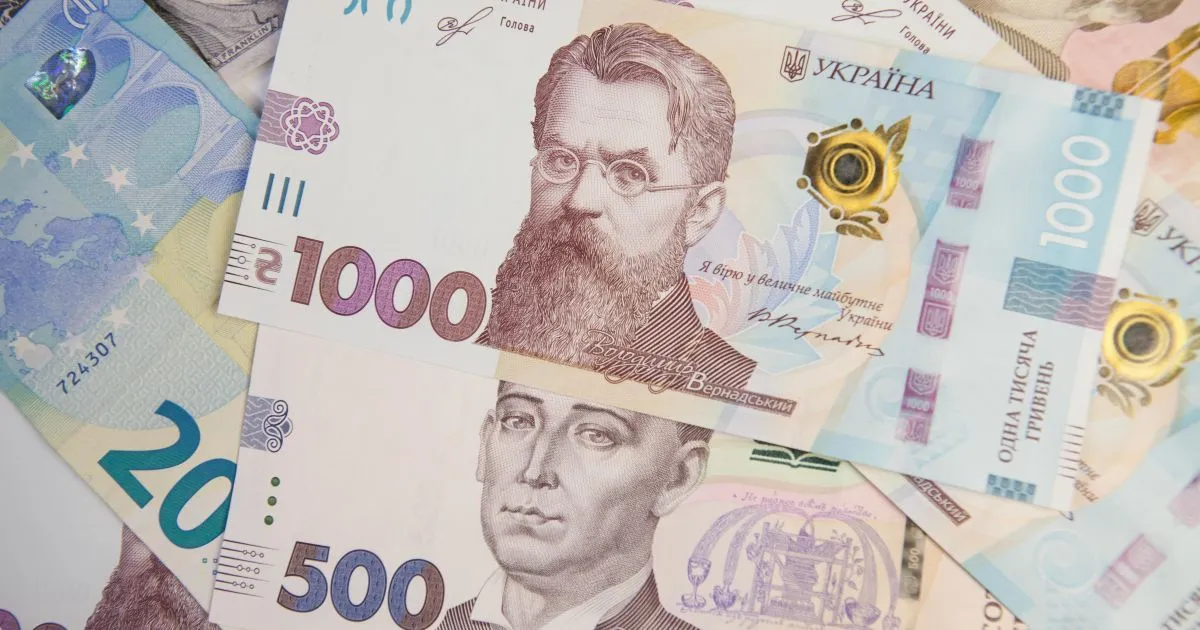
As of October 1, there were 973 billion hryvnias in circulation in Ukraine. The 500-hryvnia bills account for the largest share of banknotes in circulation, representing 25.3% of the total number of banknotes in circulation.
Since the beginning of the year, the total amount of cash has increased by 46.7 billion hryvnias, or 5%. At that time, the total stood at 926.3 billion hryvnias.
In total, there are 2.6 billion banknotes in circulation, worth 962.5 billion hryvnias. Another 15.4 billion units consist of small-denomination and circulation coins with a total value of 10.4 billion hryvnias.
The 2,000-hryvnia bills are the rarest: according to the NBU, they account for only 0.01% of the total. The new highest-denomination banknote was put into circulation on September 4; the regulator reported 400,000 such notes. The front side features a portrait of the poet Vasyl Stus.
Among coins in circulation ranging from 1 to 10 hryvnias, the 1-hryvnia coin is the most common, while the 5-hryvnia coin is the least common. They account for 4.9% and 2.7% of the total number of coins in circulation, respectively.
As of October 1, there were an average of 64 banknotes and 199 coins per resident. At the beginning of 2025, this figure stood at 64 banknotes and 193 coins.
Starting October 1, 2025, the regulator is gradually withdrawing 10-kopeck coins from circulation. Over the course of the year, 7.8 million such coins were removed. Demand for 50-kopeck coins remains stable, particularly in the retail and service sectors.
The National Bank explains this decision as an effort to reduce costs associated with the production, processing, transportation, and storage of coins. While the withdrawal is ongoing, 10-kopeck coins can still be used in cash transactions.
In the first nine months of 2026, the volume of cash increased by 5%, compared to an 8.2% increase during the same period last year. The NBU attributes this to seasonal factors: cash is typically withdrawn in the first quarter, while demand for it rises in the second and third quarters.
An additional factor in the third quarter of 2026 was the intensification of Russian airstrikes on critical infrastructure:
- energy;
- logistics;
- food;
- telecommunications.
Since the beginning of the year, the share of 1,000-hryvnia banknotes and 10-hryvnia coins in the total amount of cash in their respective categories has increased the most—by 12.1% and 19.1%, respectively.
Source: National Bank
Earlier, the NBU announced the introduction of a new 2,000-hryvnia banknote.
The National Bank of Ukraine had previously announced that the 2,000-hryvnia banknote would be put into circulation on September 4, 2026. The banknote itself was unveiled in advance so that banking and non-banking institutions would have time to configure their equipment, and citizens and businesses could familiarize themselves with its design and security features.
Getmantsev commented on the impact of the new 2,000-hryvnia banknote on inflation.




