
In South Africa, 92% of petrol station store customers changed spending due to financial pressure — TimesLIVE
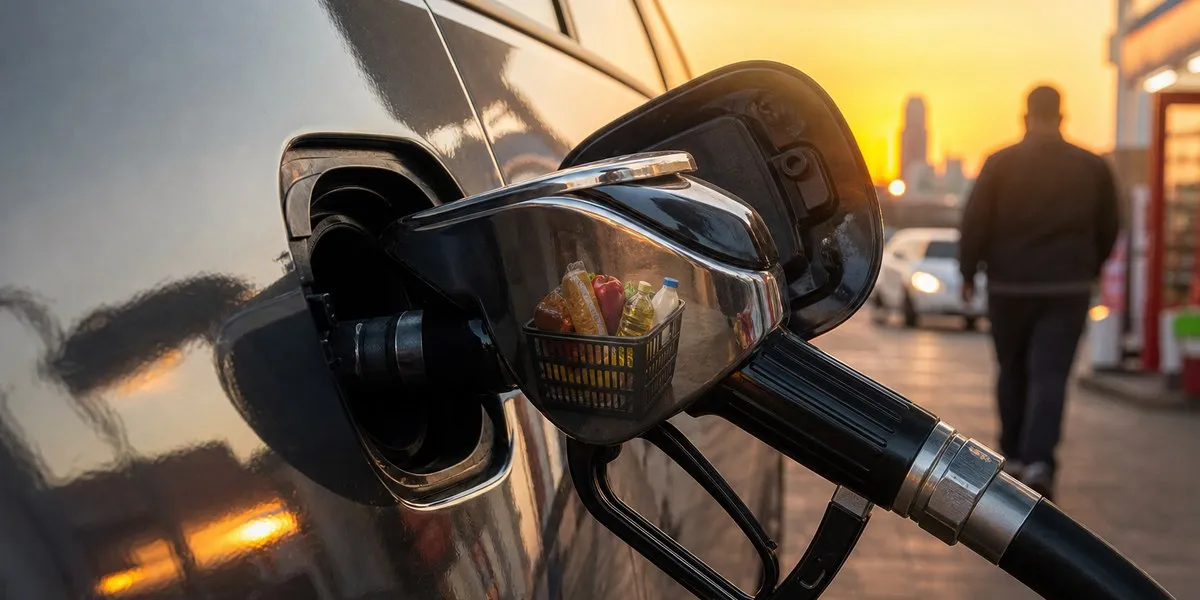
In South Africa, 92% of surveyed customers of stores at petrol stations have changed their broader consumer habits due to financial pressure. These are the findings of a Trade Intelligence study cited by TimesLIVE.
Researchers noted that respondents are somewhat more likely to cut spending on non-fuel products than to reduce spending solely on filling up their vehicles. Caroline Short, head of research and consulting at Trade Intelligence, said this is forcing retailers at petrol stations to review their product ranges, promotional offers and pricing policies in order to attract frugal shoppers.
Petrol price rose by 43%
Since October 7, the price of a litre of 95-octane unleaded petrol in Gauteng and other inland areas of South Africa has stood at 30.25 rand, while 93-octane petrol costs 29.88 rand. The increase was 3.33 rand and 3.12 rand per litre, respectively.
The price of a litre of 95-octane petrol in the country’s inland areas rose from 21.12 rand in November 2025 to 30.25 rand, or by approximately 43%. Compared with January, when it cost 20.75 rand, motorists now pay 9.50 rand more per litre.
More current news is available on the UA.News Telegram channel Telegram.
Impact of the global oil market
The latest price increase is attributed to rising international prices for oil and petroleum products amid renewed tensions between the United States and Iran, uncertainty over shipping through the Strait of Hormuz, and higher shipping costs. An October government fuel price statement said the average price of Brent crude during the calculation period rose from $87.89 to $101 per barrel.
Trade Intelligence estimates the market for fast-moving consumer goods retail at petrol stations at 42 billion rand in 2025. According to the study, 57% of such shoppers visit these stores at least once a week. At the same time, petrol stations compete for consumer spending with supermarkets, fast-food outlets and delivery services.
About 51% of respondents said there are virtually no products they would not buy at a petrol station store. However, according to Short, there is a gap between the products shoppers are willing to buy there and their actual purchases. The study does not determine to what extent this gap is caused by fuel prices or other financial pressure.




