
New data from the UK raise questions about MRT risks — STAT News
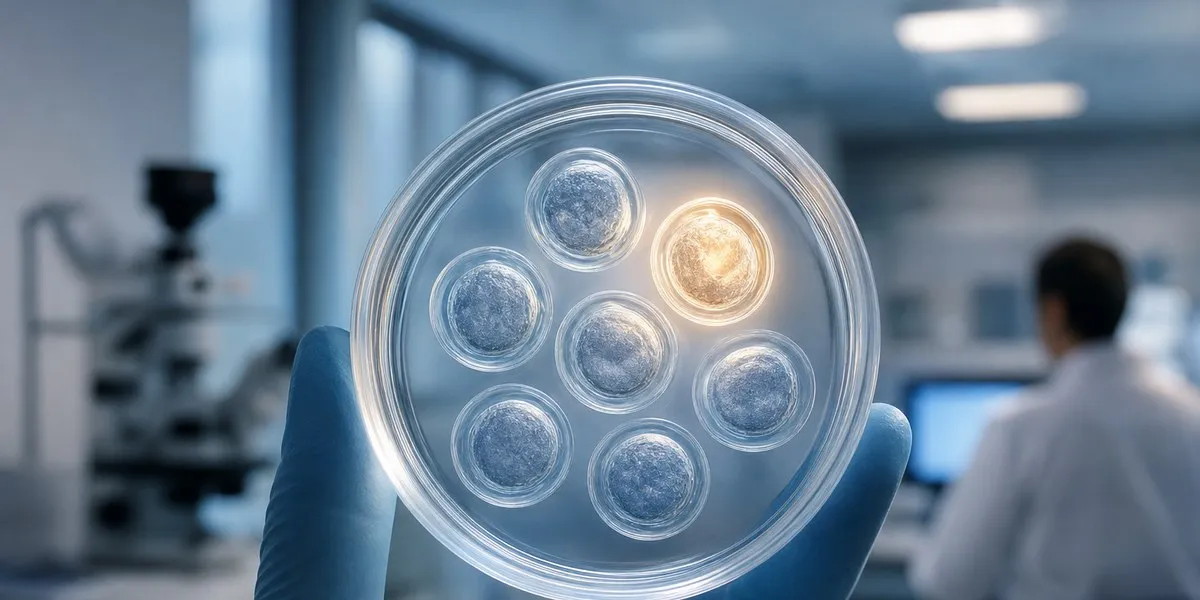
New data from the United Kingdom and small pilot studies at clinics in other countries are raising questions about the risks and benefits of mitochondrial replacement technologies (MRT). These reproductive techniques, sometimes called three-parent IVF, are intended to reduce the risk of children inheriting rare mitochondrial diseases, which can sometimes be fatal.
How MRT works
MRT combines the genes of the mother and father with DNA in the mitochondria of a donor egg without mutations. Last year, the United Kingdom reported the birth of eight healthy children to mothers with disease-related mutations in their mitochondria.
At first glance, these results indicated that the procedure could reduce the risk of passing such diseases on to children. At the same time, as STAT News reports, some scientists and ethics specialists are rethinking the technology’s risks and benefits, as well as whether preventing mitochondrial diseases is its best initial application.
More current news is available on the UA.News Telegram channel Telegram.
Regulation and safety
Australia became the second country to explicitly legalize this specialized procedure, and its regulators and researchers are preparing to launch a national MRT trial. The use of the technology is prohibited in the United States.
Bert Smeets, a professor of clinical genomics at Maastricht University who studies mitochondrial diseases, noted that society may view MRT as a completely safe procedure with low risk. According to him, this perception does not reflect reality.




