
Pakistan urged to integrate nutrition into social protection system
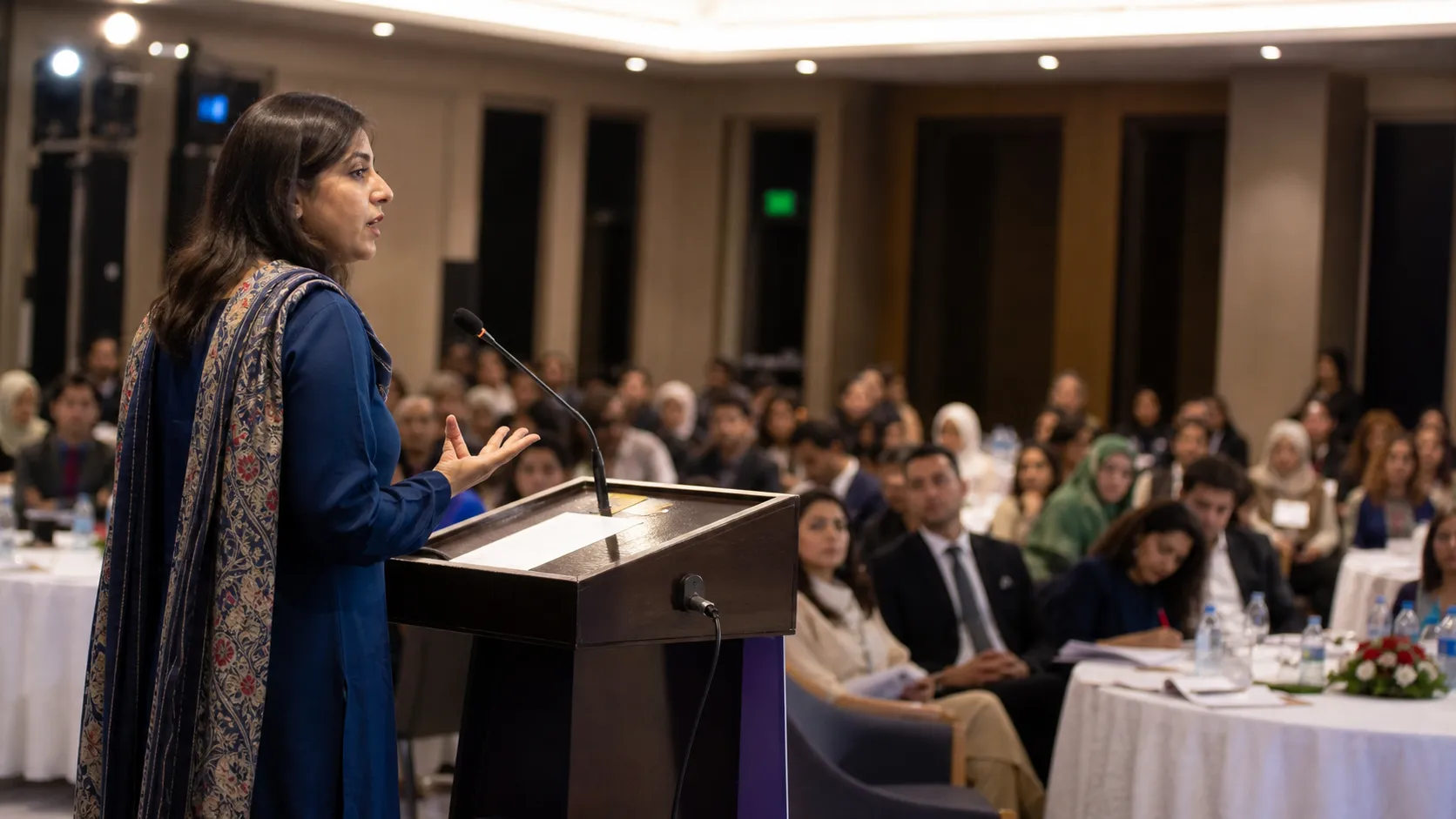
Participants at the Act for Nutrition conference in Islamabad called on Pakistan to integrate nutrition into its social protection system to combat malnutrition among mothers and newborn children. Rubina Khalid, chairperson of the Benazir Income Support Programme, said that social assistance should not only provide payments but also help families overcome vulnerability.
As Dawn reports, Khalid stressed that stunting in children is not only a healthcare problem but also a challenge for human capital, the economy and Pakistan’s future. According to her, the country lacks integration between relevant programmes, so government institutions and other stakeholders must act jointly.
Economic losses
Ellen Thom, deputy representative of the World Health Organization in Pakistan, said that the greatest risk is inaction in the fight against malnutrition. According to her, over the next three minutes, at least 14 children around the world will die from causes related to inadequate maternal and child nutrition, although such deaths can be prevented.
More current news is available on the UA.News Telegram channel Telegram.
Thom also said that Pakistan loses $17 billion annually due to stunting and malnutrition. Thomas Conan, deputy country director of the World Food Programme, noted that the problem is linked not only to poverty but also to limited access to healthcare services, water supply and sanitation.
1,000 days of development and adolescents
Asim Ijaz, director general of the Benazir Income Support Programme, spoke about the Benazir Nashonuma programme, which added nutrition and healthcare components to the existing BISP registry. He stressed that there is a 1,000-day period of child development during which irreversible consequences may arise. The programme’s pilot project was launched in 2020 and expanded nationwide in 2021.
An unnamed expert called for greater attention to adolescent nutrition, noting that girls of this age are vulnerable to anaemia and iron deficiency due to rapid growth, hormonal changes and menstruation. Faiza Wahab, nutrition and social protection adviser at GIZ Pakistan, said that discussions of malnutrition pay insufficient attention to the period between childhood and motherhood.


