
Nepal plans micronutrient survey in December — Kathmandu Post
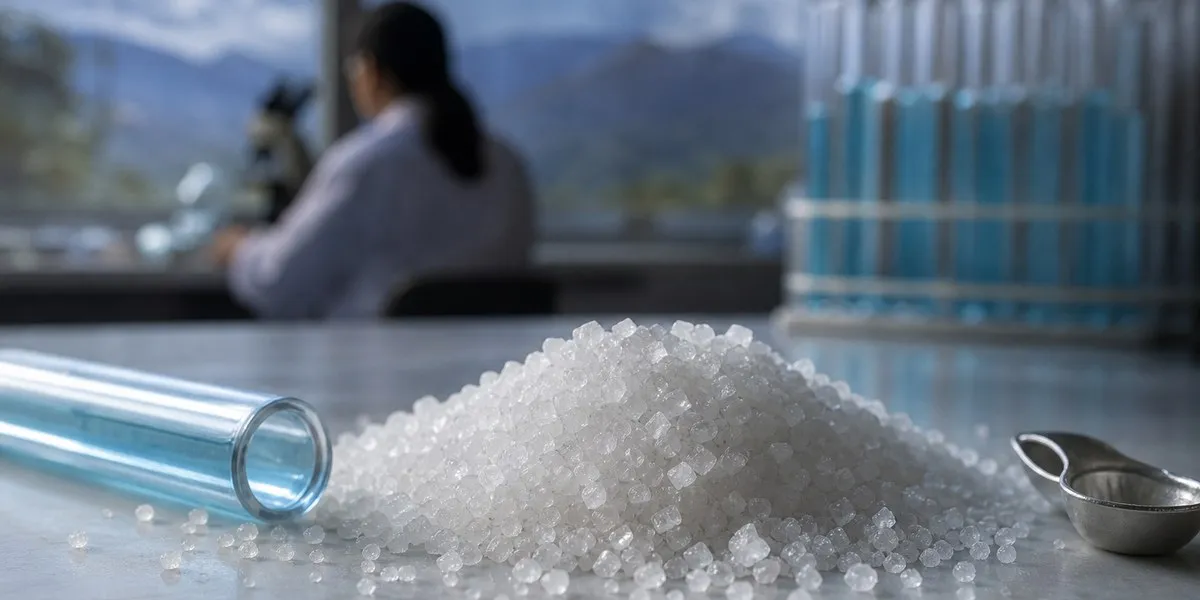
Nepal plans to conduct a nationwide survey in December to assess the population’s status regarding vitamin A, iron, folic acid and iodine, as well as the prevalence of anemia. The survey will begin six weeks after a campaign to provide children with vitamin A and deworming medicines, the Kathmandu Post reports.
The campaign is scheduled for November 3 and 4. About 2.1 million children aged six to 59 months are expected to receive vitamin A, while around 1.9 million children aged one to five will also receive deworming tablets. About 54,000 female community health volunteers have been enlisted across the country to carry it out.
Funding and objectives of the survey
Previously, officials considered postponing the regular campaign until March next year in order to assess the prevalence of vitamin A deficiency without prior supplementation. However, expert groups, including those involving the World Health Organization and UNICEF, advised against delaying the program, as children’s nutritional status should not worsen for the sake of the survey.
The previous national micronutrient survey in Nepal was conducted in 2016 with U.S. financial support. Such surveys are usually carried out once every ten years. The new survey was initially planned for May-June, but was suspended indefinitely after the Donald Trump administration froze U.S. aid worldwide.
More current news is available on the UA.News Telegram channel Telegram.
According to officials, Washington, at the initiative of the U.S. Embassy in Nepal, decided to provide UNICEF with $3.5 million to conduct the survey. The U.S. Centers for Disease Control and Prevention are expected to provide technical assistance. The report may affect future national nutrition policy.
Review of iodized salt policy
According to officials, the survey results may be used to review mass vitamin A supplementation programs, the targeted distribution of micronutrient powders, salt iodization and the promotion of a more diverse diet. After receiving the report, the authorities will also have to decide whether to reduce the iodine content in salt.
Nepal’s Salt Trading Corporation adds iodine to salt at a concentration of 50 parts per million, while the WHO recommends between 15 and 40 parts per million. The 2016 survey showed that 68% of the country’s population consumes iodine in amounts significantly exceeding the recommended level. Doctors suspect that the high iodine content in salt may be one of the factors behind the prevalence of thyroid diseases and hypertension.




