
GM plans to create a domestic battery supply chain in the US
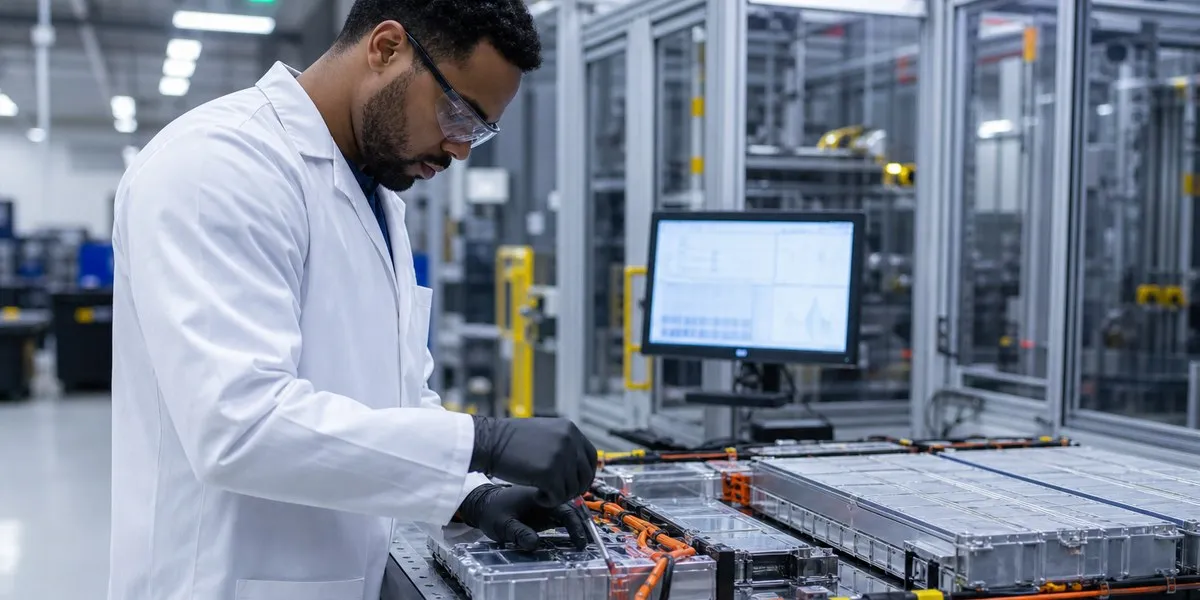
General Motors is developing next-generation battery cells in the United States, seeking to reduce its dependence on Chinese materials and build a domestic supply chain. The company is primarily targeting stationary energy storage systems for homes, businesses and data centers, but also intends to prioritize US battery production for future electric vehicles.
GM Vice President of Batteries and Sustainability Kurt Kelty said the automaker aims to create a domestic supply chain within two to three years. The company’s goal is to have a domestic source of supply before the new cells reach the market. This was reported by CNBC.
Sodium-ion cells
To develop sodium-ion batteries for energy storage systems, GM is working with Denver-based startup Peak Energy. The technology is expected to reduce the need for materials whose supply is largely controlled by China, including lithium and iron sulfate. Sodium for batteries can be obtained from soda ash, a raw material widely available in the United States.
GM expects to begin commercial production of sodium-ion cells with Peak Energy around 2029. Until then, the company is producing other types of batteries for energy storage systems and electric vehicles through a joint venture, using undisclosed volumes of materials from China.
More current news is available on the UA.News Telegram channel Telegram.
Battery production
According to the International Energy Agency, China produces about 85% of the world’s active cathode material for electric vehicle batteries and more than 90% of active anode material. This gives the country about 80% of battery production.
GM already produces lithium iron phosphate battery cells in the United States together with LG Energy Solution for stationary energy storage systems. Kelty said the company wants to develop American technology that will use domestic supply chains and be able to outperform existing solutions.
GM is also investing $900 million in new battery research laboratory facilities at its technology campus near Detroit. These include a more than 500,000-square-foot cell manufacturing prototyping facility that is scheduled to begin operations later this year.




