
Latvia prepares pilot renovation program with lower support — LSM English
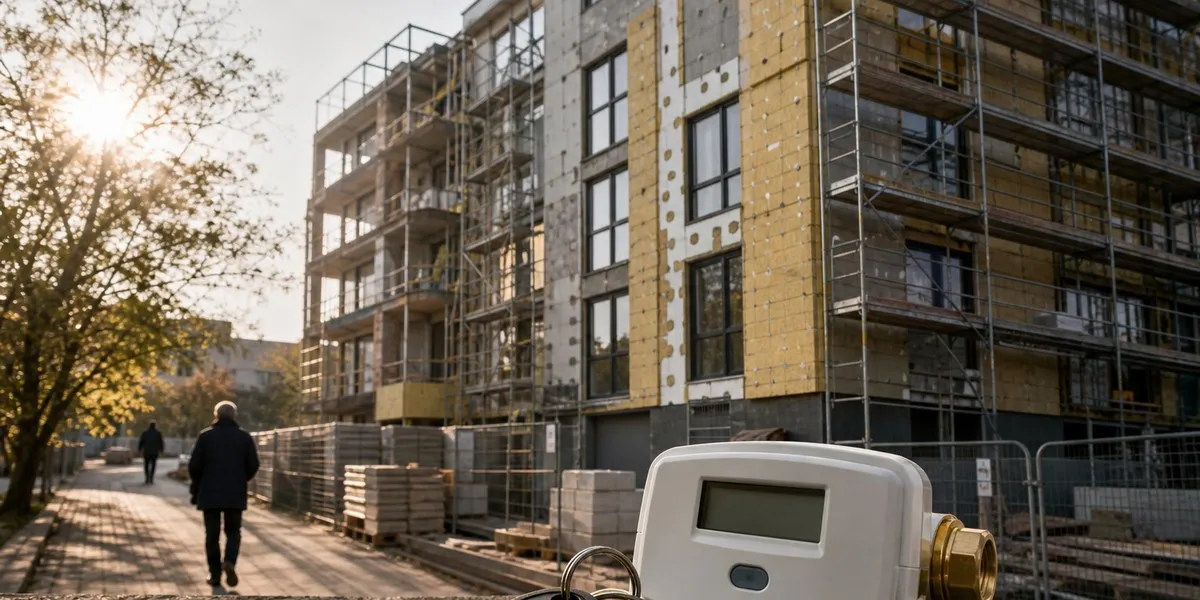
Latvia’s Ministry of Economics is preparing a new pilot program to support the renovation of apartment buildings. Instead of the current model, under which the state covered around 40–45% of costs after renovation was completed, the plan is to help residents pay interest on loans. According to the ministry’s estimates, such support will be equivalent to a 20–25% discount on the cost of the work, LSM English reports.
Need for renovation
There are more than 39,500 multi-apartment residential buildings in the country. According to the State Audit Office, at least 26,600 of them require upgrades. At the same time, approximately 4% of such buildings have currently been renovated.
Since 2009, more than 1,500 renovation projects have been completed in Latvia. Another 184 projects have the status of being under implementation: this category includes both sites at the preparation stage and buildings where work is already being carried out.
The largest number of projects in absolute terms is registered in Riga — 215. Liepāja has 190, and Valmiera Municipality has 132. At the same time, Valkā Municipality leads in the number of projects per 10,000 residents — around 40, followed by Olaine with 33.5 and Liepāja with nearly 27. In Riga, the figure stands at 3.3 projects per 10,000 residents.
More current news is available on the UA.News Telegram channel Telegram.
Cost of work is rising
One of the main obstacles to housing upgrades is the high cost. Construction costs in Latvia increased by 52% in 2017–2024, while the average renovation cost per square meter had risen by 127% over five years by 2022.
Long-term state planning documents estimate the funding needed to bring the housing stock into proper condition at approximately €7.5 billion. The State Audit Office gives a significantly higher estimate — more than €20 billion.
€48 million for the pilot mechanism
The Ministry of Economics has reserved €48 million for the new program. The funds are intended to support the renovation of approximately 185 buildings. However, both the reallocation of funding and the program itself still need to be approved, so it is currently considered only a pilot mechanism.
Previous programs depended heavily on European Union funds, which arrived in waves once every few years. The State Audit Office noted that residents’ interest in renovation increased in the latest programs, and the available funding was distributed quickly. Reduced state support will mean that apartment owners will cover a larger share of the costs.




