
Housing prices and rents are falling simultaneously in Finland — YLE News
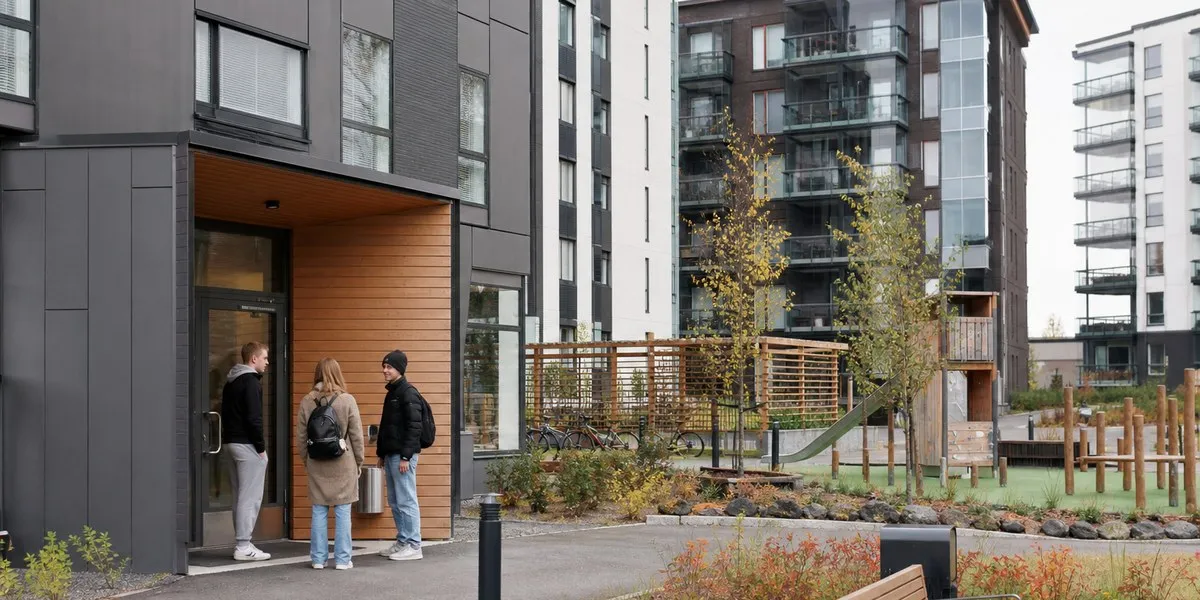
In Finland, housing prices and rents are falling simultaneously. Economist Juhana Brotherus links this trend to particularly slow growth in the number of households compared with the supply of housing, YLE News reports.
Fewer households among young people
A household is a group of people living in the same dwelling. A new household is created, among other things, when a young person moves out from their parents and starts living separately. However, such moves have become less frequent recently.
In 2025, the number of households among young people decreased by more than 8,000. In previous years, the figure changed by a similar amount, but increased. According to Brotherus, 2026 could become the third consecutive year of decline.
The economist named several possible reasons. Changes in student support and housing assistance systems reduced payments, primarily for students, and made living separately relatively more expensive. Young people are also particularly affected by the weak economic situation and employment problems. They may live with their parents longer, move in with a partner, or rent housing together with friends.
More current news is available on the UA.News Telegram channel Telegram.
Supply outpaces demand
Smaller younger generations are also entering the market, directly reducing the number of new buyers and tenants. In addition, according to Brotherus, immigrants may be living more densely than before: some of those arriving in the country move in with a partner, so population growth does not always create new demand for housing.
After high construction rates at the turn of the 2020s, housing construction declined sharply. In 2024, more than 20,000 new dwellings were completed in Finland, but even fewer new households were formed. As a result, housing supply grew faster than demand, putting pressure on prices and rental rates.
According to calculations by consulting company MDI, the number of households in Finland's large cities will increase by 220,000 by 2050. This roughly corresponds to a need for fewer than 10,000 new dwellings per year. In the long term, the market will be affected by population ageing, lower birth rates, and smaller generations born after 2010.


