
Australia creates an art-and-nature route — ABC News Australia
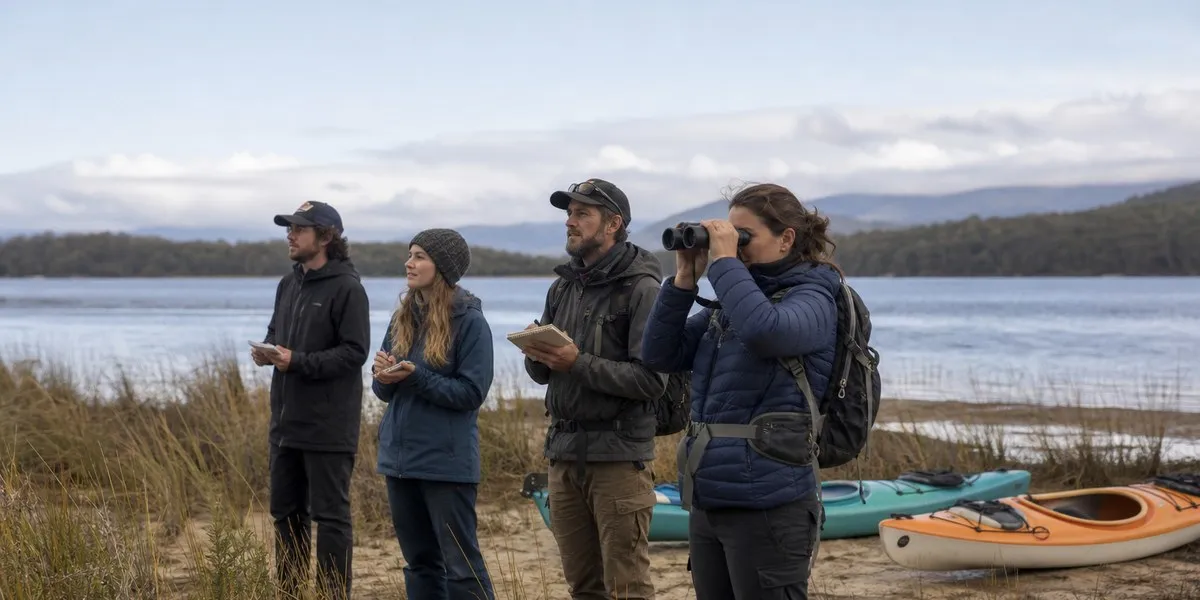
In East Gippsland, Australia, a six-day, 100-kilometre art-and-nature route called Far East Flaneur has been created, running from Lake Tyers to Cape Conran. Participants travel on foot, by kayak and by bicycle, exploring the region’s nature and the work of local artists, ABC News Australia reports.
Route through lakes and coastline
The pilot event took place in March, and the local arts collective FLOAT plans to hold the next journey in October. The route follows the tributaries of Lake Tyers and the East Gippsland Rail Trail, then passes through Orbost and Marlo, where the Snowy River flows into the sea, before reaching Cape Conran.
Travellers stay overnight in tents and cabins, with time to relax on the beach, sketch birds, record sounds and walk through the bush. During shared meals around campfires and at long tables, they share artisanal dishes grown and prepared locally.
During the journey, groups meet geologists, historians, Indigenous artists and poets, who share their knowledge of the area. Local artist Anli Vuong prepared cookies, sweets and vegan mooncakes for participants. She described the route as an opportunity to discover the community’s creative potential and be inspired by other people’s passions.
More current news is available on the UA.News Telegram channel Telegram.
Observing nature
Organisers present Far East Flaneur as a slow-travel format. According to project leader Liz Filmer, the route is not designed for those seeking to complete it quickly, but it may appeal to people prepared to devote time to nature and communication.
The project was created to develop East Gippsland’s ecotourism economy after a decade of droughts, fires, the COVID-19 pandemic, and the cessation of commercial logging and fishing activity in the region.
Tasmanian poet and storyteller Bert Spinks, who joined the March journey, helped participants keep nature observation journals. He noted that East Gippsland offers an opportunity to see various bird species, while observing them encourages people to look and listen more closely to the surrounding world.
Spinks also linked younger generations’ interest in nature to a desire to restore their connection with the environment. In his view, immersion in a natural setting and observing seasonal changes can counterbalance the anxieties of modern life.


