
Petro Poroshenko: 10 Iconic Quotes from Ukraine's Fifth President
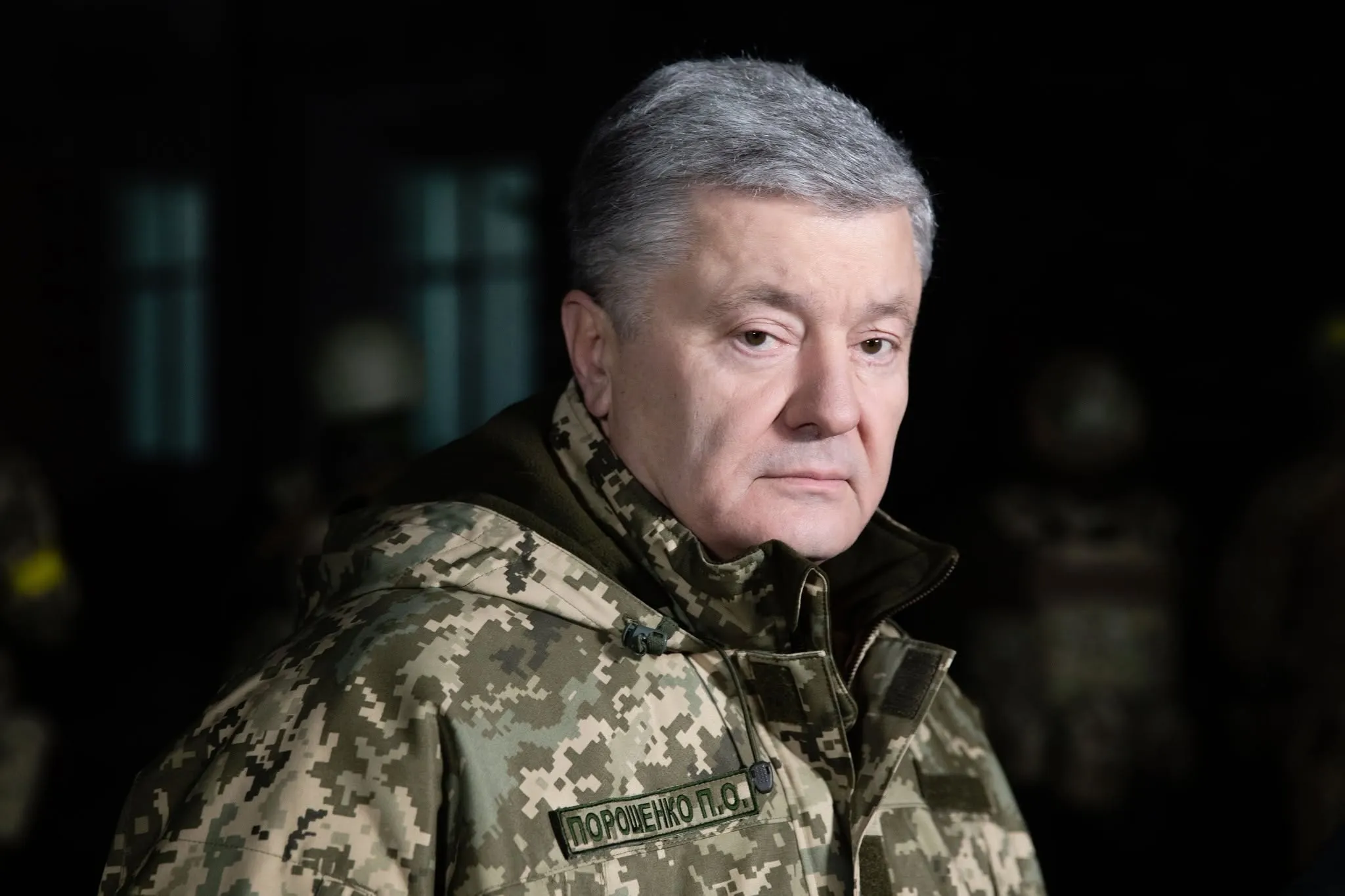
On September 26, Petro Poroshenko, the fifth president of Ukraine and leader of the “European Solidarity” party, celebrates his birthday. He became president in 2014 following the victory of the Revolution of Dignity. Since then, he has made numerous statements addressing the country’s pressing issues, its defense, and its historic choice. Poroshenko himself went down in history as the president who opened the door to the European Union for Ukraine. UA.News recalls his most memorable quotes.
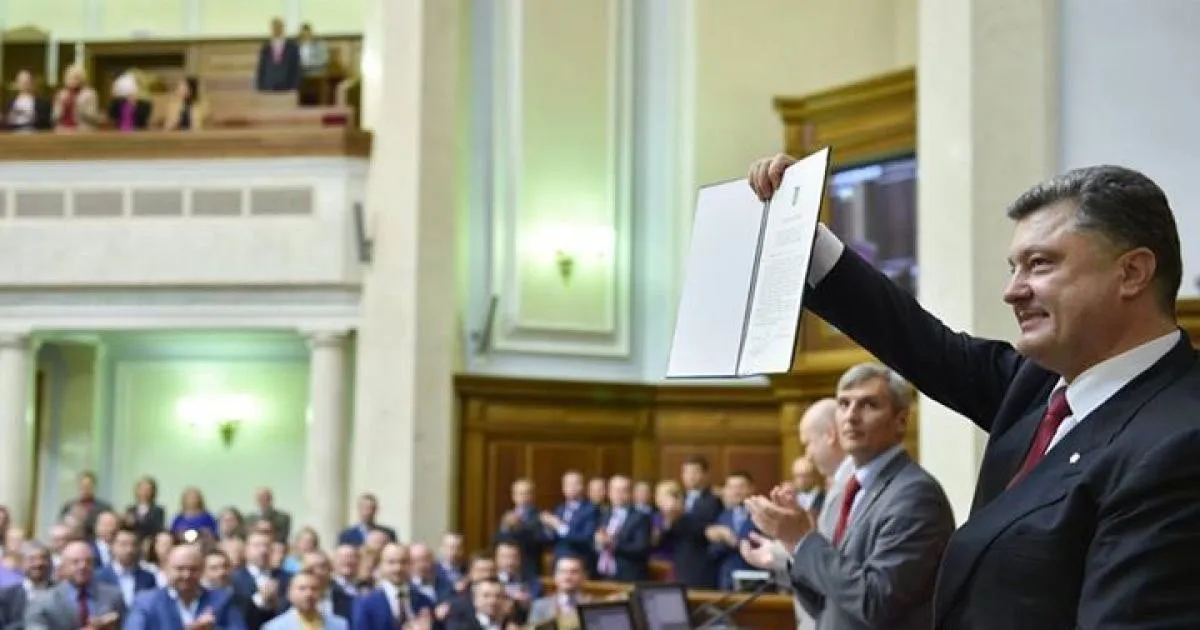
“We cannot change the country unless we change ourselves”
On June 7, 2014, Poroshenko emphasized in his inaugural address that in order to change the country, Ukrainians must change themselves. The path to positive change, in his view, lies in the implementation of the Association Agreement with the European Union, which the Verkhovna Rada of Ukraine and the European Parliament ratified in June 2014.
“We cannot change the country unless we change ourselves—our attitude toward our own lives and toward the life of the entire nation. Each of us bears a share of the responsibility for the fact that Ukraine has reached a crisis of statehood. Some considered it normal not to pay taxes. Some lived in luxury at the state’s expense. Some voted and protested for money. Some received undeserved benefits and awards. And together, we all undermined the foundation of public trust, the principles of law, and the fabric of society.”
“No one criticizes me more than I do myself”
In his address to parliament in June 2015, Petro Poroshenko stated from the rostrum of the Verkhovna Rada that he held the government to high standards.
“I am often asked if I am satisfied with the government’s work. No. Am I satisfied with the work of the Verkhovna Rada? Obviously not, either. I’ll say more: I am not satisfied with my own work either. No one criticizes me more than I do myself.”
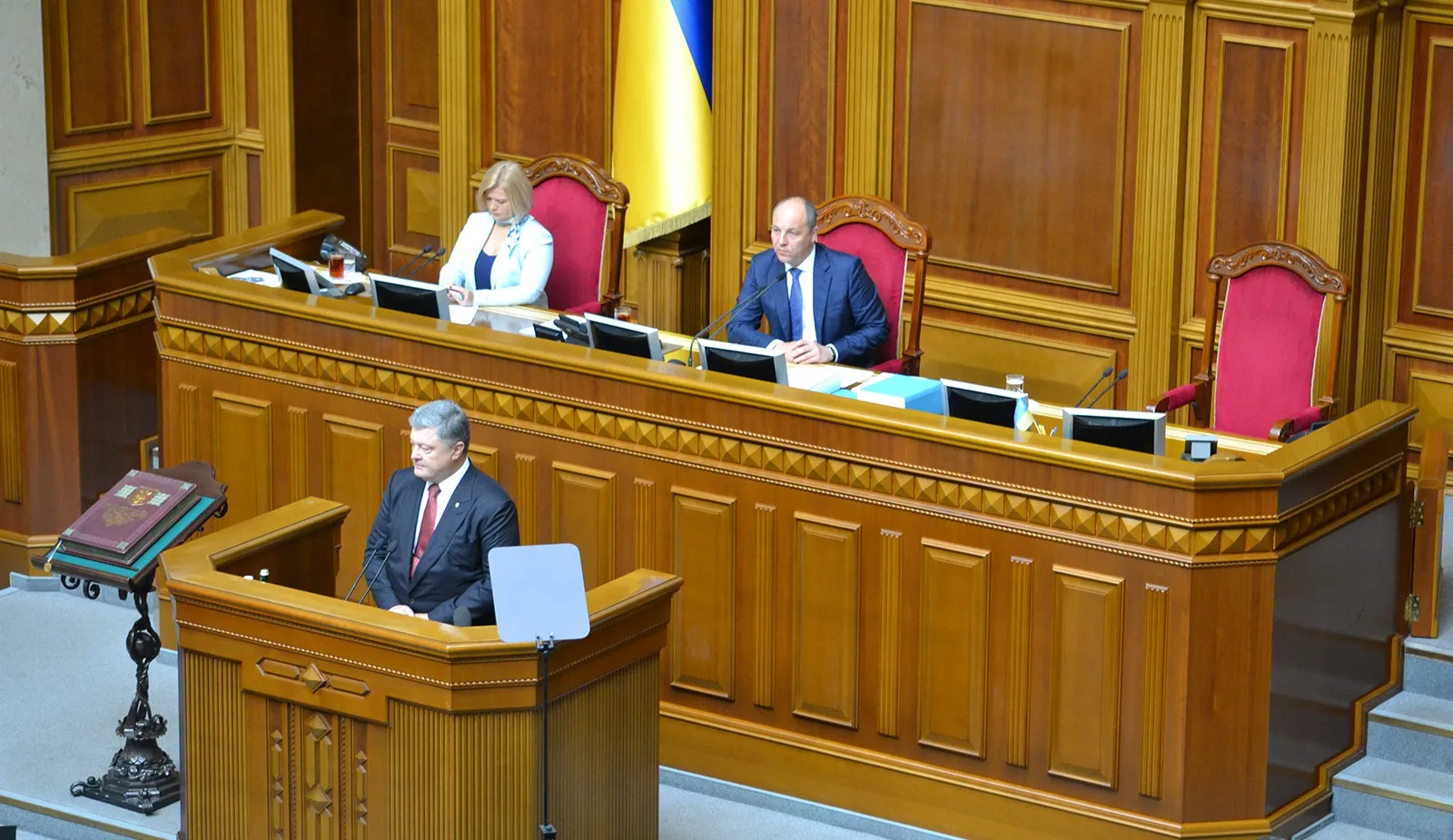
“We stopped the continent’s strongest army”
Speaking before lawmakers back in 2015, Poroshenko warned that the country must be prepared for a full-scale Russian invasion.
“On our eastern borders, we have stopped the continent’s strongest army, because it is not miners and tractor drivers fighting against us there, but—as we have proven to the whole world—regular units of the Russian armed forces, armed to the teeth. Despite our successes in building up our armed forces, we must acknowledge that, as of today, we have ensured—albeit qualitatively and quantitatively—and (…) The military must be prepared both for a renewed enemy offensive and for a full-scale invasion along the entire perimeter of the border with the Russian Federation (…) No matter how difficult it may be, in the 2016 budget we will once again increase spending on defense and security... David defeated the much stronger Goliath.”
“Where did you, you blue-eyed dove, get this money?”
An important part of the anti-corruption reforms following the Revolution of Dignity was the electronic declaration of assets by civil servants. In the fall of 2016, Poroshenko, speaking at the International Economic Forum in Lviv, assured the audience that the fight against corruption would not be limited to asset declarations alone.
“Many of those who have now filed declarations have listed cash at home, thinking that this constitutes a ‘zero declaration’ and that it will later allow them to avoid an audit. But the key point is to draw a line under what hasn’t been done for 25 years. And then ensure that they explain: where on earth did you get this money? The people and society have a right to know. And we must fight not against the rich, as some people think, but against criminals who acquire apartments, villas, cars, and planes while remaining in public service the entire time.”
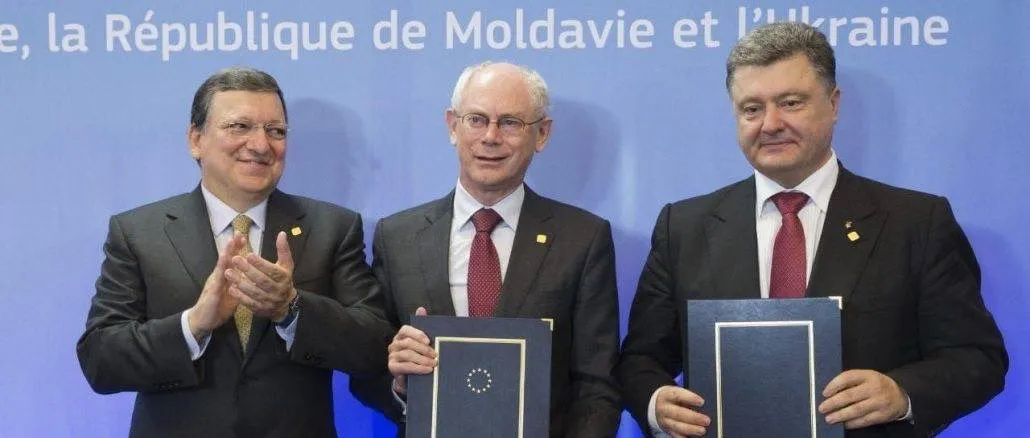
“Ukraine has finally formalized its divorce from the Russian Empire”
On June 11, 2017, Ukraine, having fulfilled the 144 points of the Plan, obtained a visa-free regime with the European Union and secured the “four freedoms—the movement of goods, capital, services, and people.” Petro Poroshenko commented on the historical significance of this event:
“Today, Ukraine has finally finalized its divorce from the Russian Empire. That is exactly how, philosophically speaking, we should view this. This marks a departure from a history spanning more than 300 years, which began with the Pereyaslav Council, and today Ukraine is returning home… This is not only—and not so much—about visa-free border crossings; it is about Ukraine’s return to its rightful place among European nations.”
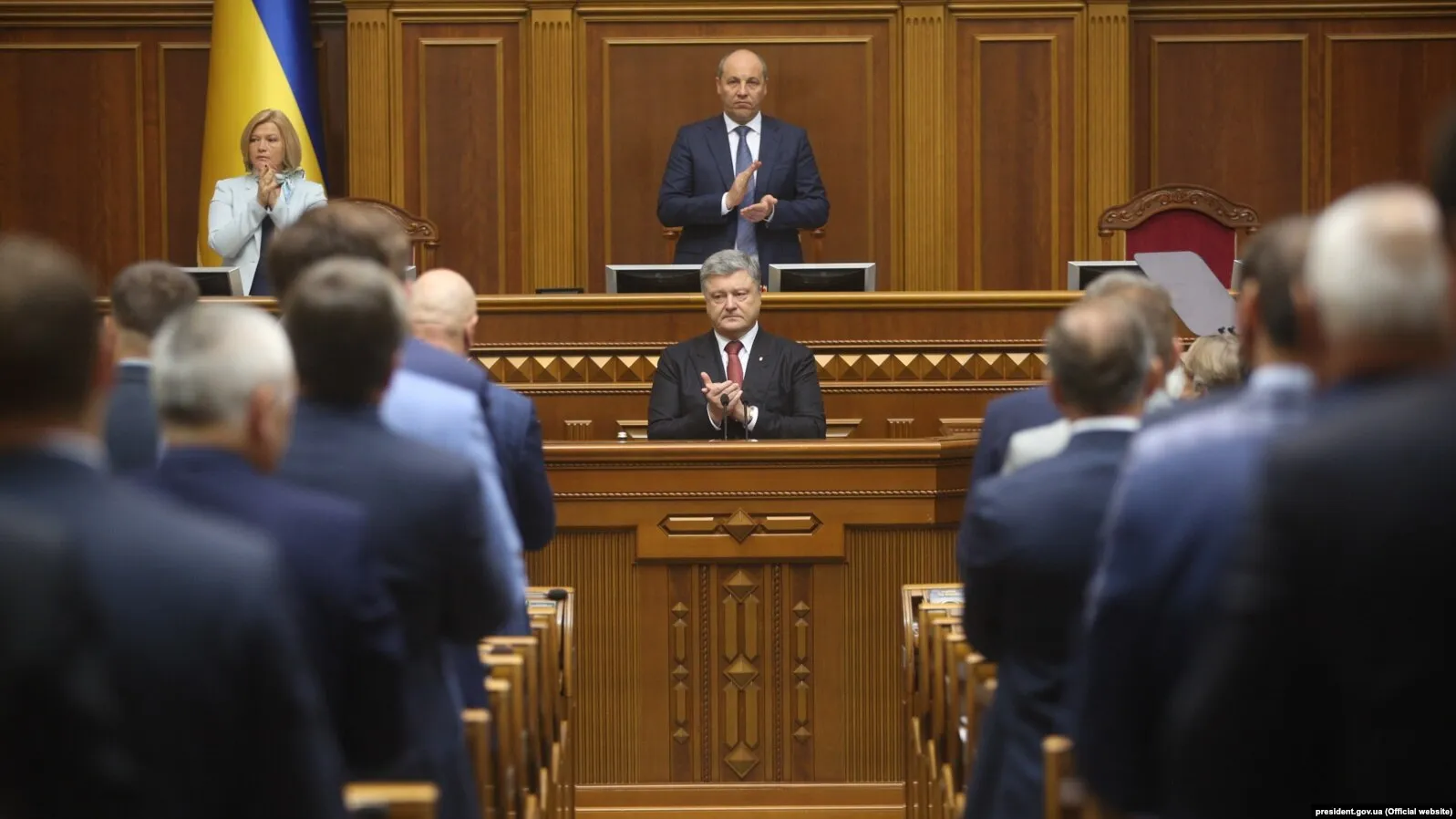
“The
people are faithfully fulfilling their part of the social contract. The same cannot be said for those in power.”
On September 7, 2017, Poroshenko delivered his annual address to parliament, “On the Internal and External Situation of Ukraine.” In it, he emphasized the social contract during wartime.
“Amid external aggression and an economic crisis, bitter losses, and significant material damage, the sense of justice is now more acute than ever. People react to even the slightest injustice as if it were a raw nerve… As a result of the war that began three years ago, the standard of living in Ukraine has plummeted. People believe that by enduring all this and facing difficulties with understanding, the people are faithfully fulfilling their part of the social contract. The same cannot be said of those in power, who, according to widespread opinion, have sacrificed too little on the altar of a shared victory and have failed to bring about tangible changes.”
“I’ll chop off the hands of anyone who steals from the army”
After NABU detectives detained the Deputy Minister of Defense and the director of the Ministry of Defense’s public procurement department in the fall of 2017 on suspicion of embezzling over 149 million hryvnias in fuel purchases for the army, Poroshenko issued threats against officials caught engaging in corruption in the defense sector.
“I won’t allow anyone to steal from the army. I’ll cut off the hands of anyone who steals from the army. This is the president’s position, because the army is a matter of personal concern to me.”
“Peacekeepers must be present everywhere”
Poroshenko advocated for the deployment of a UN peacekeeping mission to the occupied Donbas region. At the 73rd session of the UN General Assembly, he called the deployment of a peacekeeping contingent a “decisive factor” that could bring an end to hostilities. In September 2018, Poroshenko stated:
“Peacekeepers must be present everywhere, including in areas where Russia stores weapons and along the uncontrolled section of the Ukrainian-Russian border. This would very quickly stop the flow of Russian troops, weapons, and ammunition.”
“Language is our weapon; language is our shield”
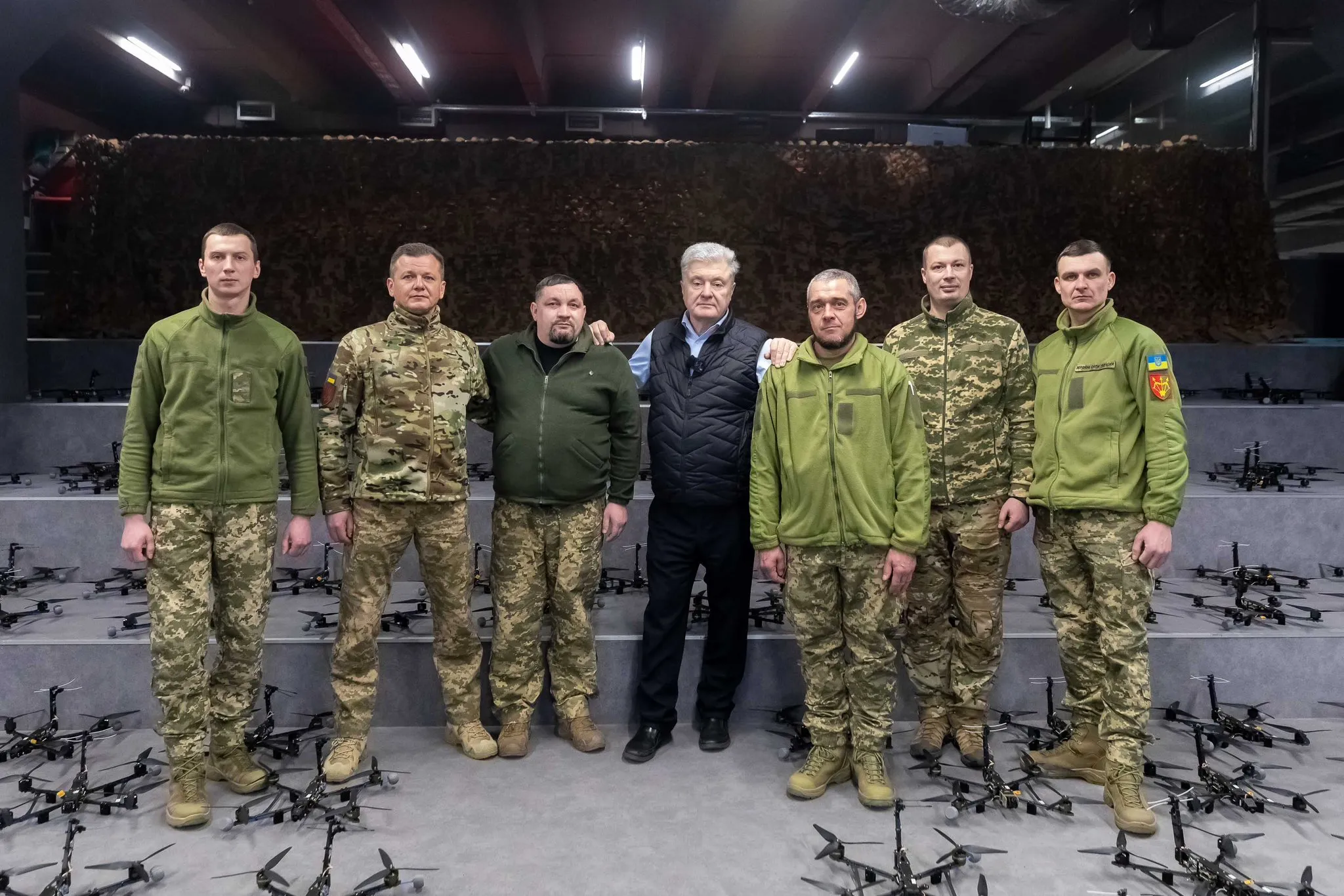
On the occasion of Ukrainian Writing and Language Day in 2024, Petro Poroshenko highlighted the important role of the official language during a full-scale invasion.
“Language is our weapon; language is our shield. I’m sure you’ve heard the first part of this saying many times, but have given little thought to the meaning of the second. Do you remember how language helped us in the early days of the full-scale invasion? Back then, at checkpoints, all you had to do was ask for ‘palyanitsa,’ and at some, people even mentioned ‘Ukrzaliznytsia’ and ‘strawberries’… Without exaggeration, on February 24, millions took up our language as a weapon. In Ukrainian, the occupiers heard: “Get out of our land!” The language became a talisman against the Russian IPSO and our “neighbors” in the woods. And without exaggeration—it was the automatic rifle and body armor that millions put on for the first time.”
“Army. Language. Faith”—this is not a slogan. It is the backbone of Ukrainian statehood.”
In June 2025, the fifth president, Petro Poroshenko, emphasized in an interview that the phrase “Army. Language. Faith” is not about poll numbers or viral videos, but about the country’s survival.
“Army. Language. Faith” is not a slogan. It is the backbone of Ukrainian statehood. It’s a shame that we had to go through a war to realize this. These three words were not a political slogan, as some believed. They are the values that have become the foundation of Ukraine. From “What’s the difference?” and “I’ll look Putin in the eye”—to the army, language, and faith. We have no other path.”




