
The extradition proceedings against Vasyl Veselyi in connection with the request from the Specialized Anti-Corruption Prosecutor's Office
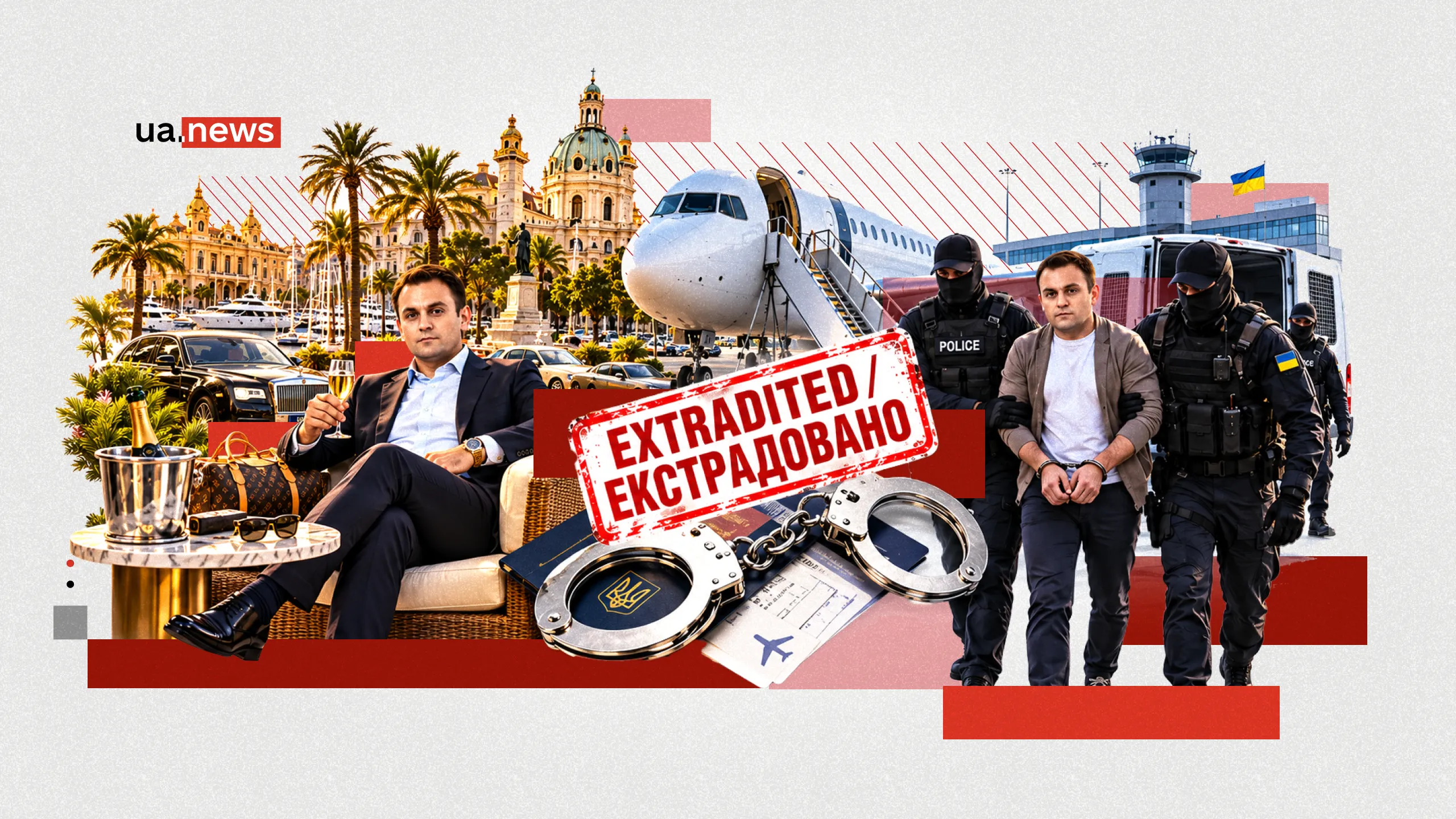
The traditional strategy of Ukrainian corrupt officials—to embezzle during the war and flee to the “Monaco Battalion”—no longer seems 100 percent successful or guaranteed. The loopholes are closing: thanks to cooperation with American and European counterparts, Ukrainian law enforcement agencies will increasingly be able to bring back high-profile fugitives through the extradition process.
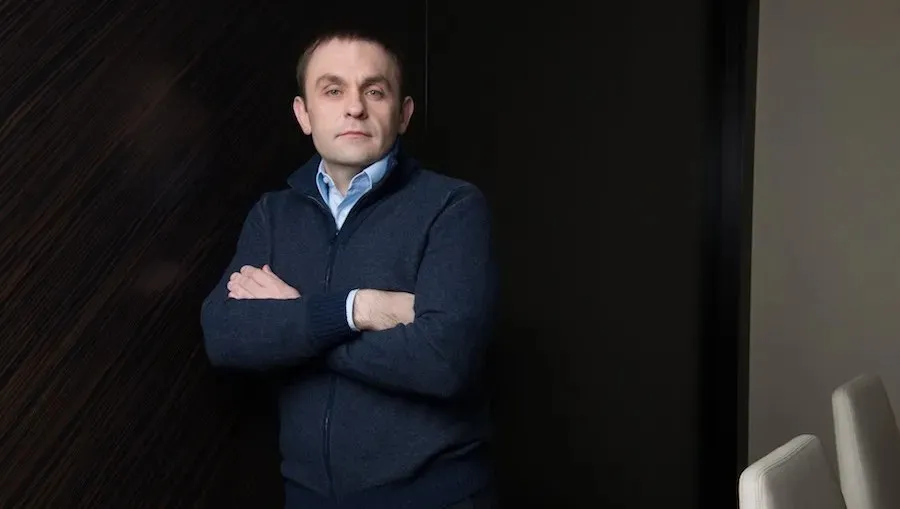
One of the prime candidates for extradition is Vasyl Veselyi, known as the “overseer” appointed by the Bankova administration at the state-owned Sens Bank, as well as a defendant in the “Midas” case, which involves large-scale embezzlement in the energy and defense sectors. Currently, according to investigations by “Ukrainska Pravda,” he lives with his brother Andriy on the French Riviera and in Monaco.
This individual, who likely coordinated the organization of financial transactions related to corruption at the highest levels of government, is particularly valuable for advancing the investigation and securing subsequent convictions. Therefore, there is a high probability that the Specialized Anti-Corruption Prosecutor’s Office may soon file a request for the extradition of Vasyl Veselyi.
UA.News has examined how this procedure works and what the prospects are for the return to Ukraine of one of the key figures in the “Midas” case.
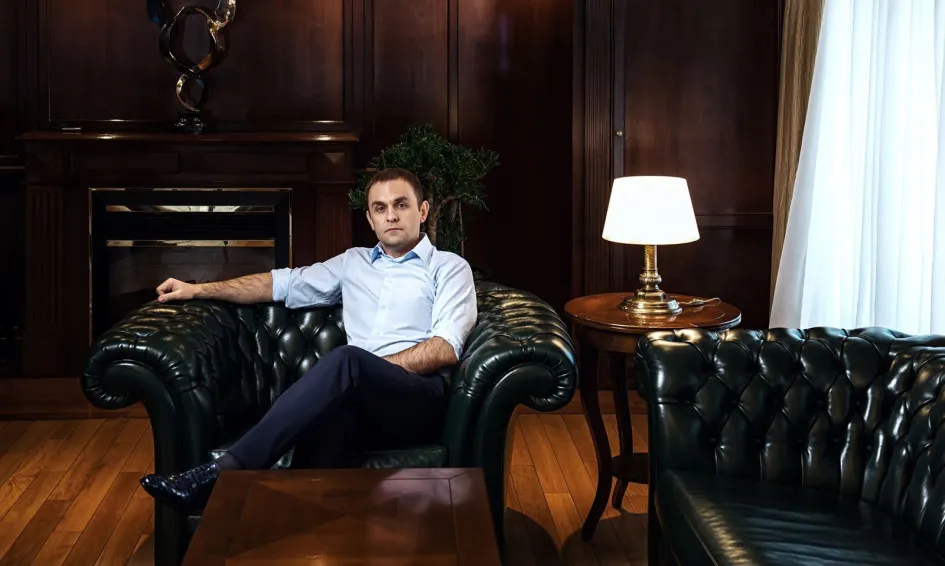
Vasyl Veselyi’s
Role in Corruption Cases
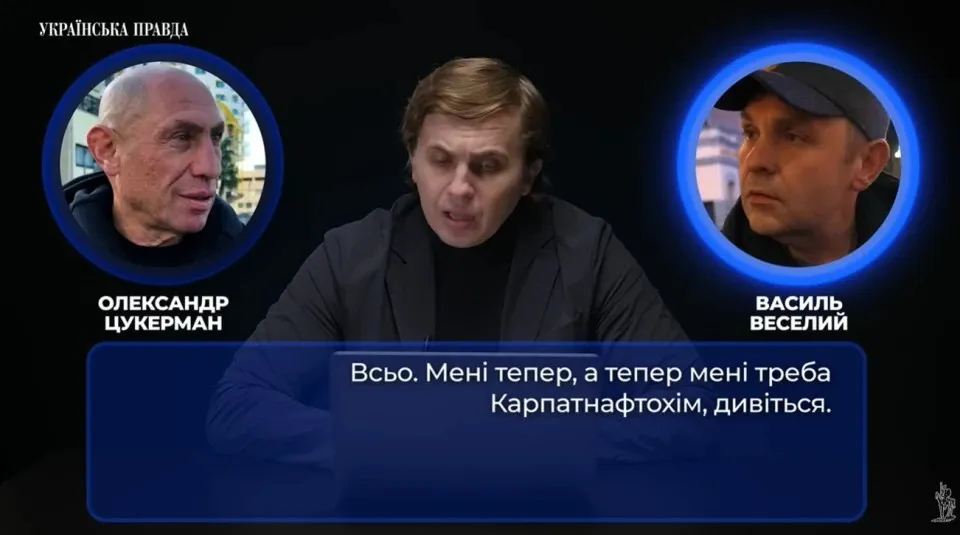
The media paid almost no attention to Vasyl Veselyi, an advisor to the head of the state-owned Sens Bank, until the publication of the “Mindich tapes.” As the recordings revealed, Vesely was in direct contact with Oleksandr Zuckerman, who is named in the “Midas” case as Timur Mindch’s chief financier.
The interlocutors discussed money laundering in the “Energoatom” case and involving defense industry enterprises, as well as a plan to gain full control over Karpatnaftohim LLC. The company had previously been seized due to ties to Russians and transferred to ARAMA’s management. The audio recording reveals that Veselyi explicitly speaks of artificially undervaluing the plant, which was later partially purchased by his brother Andriy. According to media speculation, he may be a front man for Andriy Yermak, the former head of the President’s Office.
On October
21, when NABU and the Special Anti-Corruption Prosecutor’s Office (SAPO) raided the NBU governor’s office in connection with the Sens Bank and “Karpatnaftohim” cases, MP Yaroslav Zheleznyak recalled a discussion at one of the previous Temporary Investigation Commissions (TIC). Specifically, he referred to his clarification and question posed to Andriy Pyshnyy:
“One more point from the TSC meeting on September 2, 2026
Zheleznyak: All right. Andriy Hryhorovych, I have a question for you. You don’t have to answer, but let me remind you again about all this criminal liability and so on. Were there any conversations between you, Vasyl Veselyi, Andriy Yermak, and representatives of ‘Karpatnaftohim’?
Pyshnyy: No, there weren’t.
Zheleznyak: So there was no such meeting, and you didn’t communicate with each other.
Pyshnyy: No, there wasn’t.
Zheleznyak: There wasn’t.
Pyshnyy: I can answer the third question.
Zheleznyak: I’m sorry, I didn’t hear you. Not because I’m trying to…
Pyshnyy: It didn’t happen!
Zheleznyak: There wasn’t. That’s correct, right? Please. Look, let’s go over this one more time to make sure it’s accurate, otherwise it’ll end up in the news. Did you personally have a meeting between Vasyl Veselyi, yourself, Andriy Yermak, and representatives of “Karpatnaftohim”—whether known or unknown to you?
Pyshnyy: “No, I didn’t have such a meeting.”
Another episode involves the shadow management of the state-owned Sens Bank, through which—as the NABU and the SAPO uncovered—money stolen by corrupt officials was “laundered,” in particular to post bail for former Minister Herman Halushchenko. In total, hundreds of millions of hryvnias were involved.
The “Midas” recordings show Zuckerman and Vesely discussing candidates for the Supervisory Board of this state-owned bank. About a month later, these very individuals were appointed to the respective positions. In this way, the organizers of the corruption scheme took de facto control of the state-owned Sens Bank and then used it for their own interests. Top managers of this financial institution were drawn into the scheme.
The case was later examined by the Temporary Investigative Commission in the Verkhovna Rada. Shevki Adzuner, the former head of Sens Bank’s supervisory board, stated during the hearing that Vasyl Veselyi was appointed to Sens Bank on the advice of NBU Governor Andriy Pyshnyy.
It is well known in political circles that Pyshnyy and Veselyy met through a classmate of the NBU chairman—the late “People’s Front” MP Andriy Ivanchuk. As expected, Andriy Pyshnyy stated that he had not made any recommendations to Sens Bank’s supervisory board regarding the appointment of Vasyl Veselyi, who is a subject of ongoing investigations.
In June 2026, media outlets reported that businessman Vasyl Veselyi had been detained by the Security Service of Ukraine. However, they later clarified that the reports referred only to searches.

A month later, in July, UP journalists found Vasyl Vesely on the French Riviera, noting that Ukrainian corrupt officials had received “Monaco instead of arrest.”
How the Extradition
Process Works
Extradition is the surrender of a person to a state whose competent authorities are seeking that person for criminal prosecution or to serve a sentence. Extradition involves: an official request to determine the whereabouts within the territory of the requested state of the person to be extradited and to hand that person over; verification of circumstances that may prevent extradition; a decision on the request; and the actual transfer of that person to the jurisdiction of the requesting state.
Elvira Lazarenko, a partner at Barristers LLP, explains the procedure in more detail:
“The procedure begins with Ukrainian law enforcement agencies determining the person’s whereabouts, placing them on a wanted list if there are legal grounds to do so, and initiating international cooperation.
Next, the Ukrainian side, through the central authorities designated by law, prepares the documents and submits a request for the person’s extradition.
The foreign state verifies whether the requirements of treaties and its domestic law have been met, whether there are grounds for extradition, and whether there are any legal obstacles. Depending on the country, the procedure may include judicial review, the possibility of appeal, consideration of the person’s objections, and verification of the guarantees provided.
“Only after these stages are completed and the transfer is approved is the actual handover of the person to Ukrainian representatives organized,” the lawyer explains.

Elvira Lazarenko believes that extradition is a sufficiently effective mechanism for returning individuals suspected or convicted of crimes from foreign jurisdictions to Ukraine. A recent example is the transfer from Germany of a former member of parliament, presumably Ruslan Demchak. According to the State Bureau of Investigations, on July 13, 2026, he was handed over to Ukrainian authorities at the “Krakivets” border crossing.
“Another issue is that courts in some European jurisdictions often deny requests from Ukraine’s competent authorities to extradite such individuals, citing the low likelihood that Ukraine will ensure respect for that person’s rights after the transfer, precisely because of the state of war in Ukraine,” — the lawyer notes. — We recall cases where French courts refused to extradite individuals to Ukraine, citing that the person would be exposed to a real risk of a flagrant denial of justice (due to failure to observe reasonable time limits for case proceedings or excessively broad powers granted to the prosecution during martial law), as well as cases where Swedish courts have refused extradition due to the general risks of war, alarming conditions in Ukrainian prisons, and, consequently, an increased risk of being subjected to various forms of ill-treatment.”
According to Elvira Lazarenko, Austria appears to be the country with the highest number of decisions denying extradition requests to Ukraine. According to information published in the media in 2025, the Ministry of Justice confirmed to an Austrian news agency that since the start of the full-scale invasion, Ukraine had submitted 27 extradition requests to Austria, but Austria has granted only one extradition request. At the same time, countries such as Poland and Germany are more willing to extradite individuals at Ukraine’s request.
“Most often, refusals are linked specifically to security concerns regarding the detention of individuals in Ukrainian prisons after their extradition to Ukraine, due to threats to their life and health resulting from hostilities.
After receiving numerous rulings from European countries citing this issue, Ukraine took steps to address this shortcoming and implemented measures to improve the conditions of detention for extradited individuals — it has identified a list of correctional facilities, located at a distance from the front lines, where extradited persons may be held, along with special detention conditions (separate from other inmates) and improved conditions (repairs, shelter),” — explains Elvira Lazarenko.
A recent case involving Spain’s refusal to extradite Maria Shpilova to Ukraine is illustrative.
On October 9, 2026, the Criminal Chamber of Spain’s National Court ruled to deny the extradition of Maria Shpilova, which the Ukrainian side had sought at the request of the Office of the Prosecutor General of Ukraine. The court agreed with the defense’s key argument regarding the lack of necessary grounds for extradition under Spanish law. Oleksiy Shevchuk, an attorney and partner at Barristers, represented the defense.
Commenting on the course of such complex international proceedings, Oleksiy Shevchuk noted: “There are arguments both for and against extradition. In general, extradition is a very delicate matter, and one must approach this issue with great care, because even a single comma can lead to a denial of extradition.”
General Extradition
Statistics
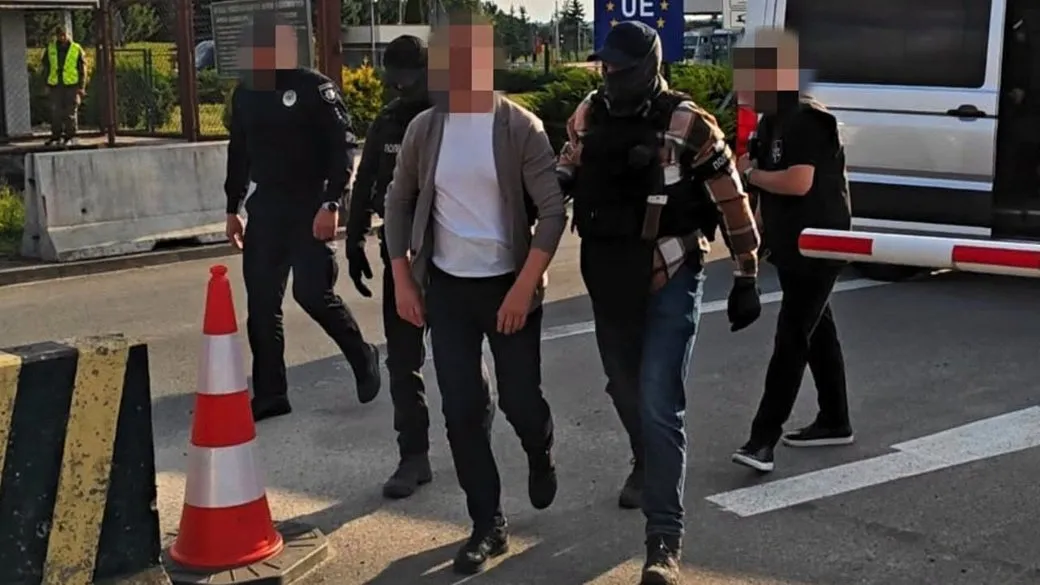
The attorneys at Barristers cite statistics from the NABU’s response to a request regarding the number of individuals extradited to Ukraine between 2022 and 2025. Thus, during this period, based on requests from National Bureau investigators approved by SAPO prosecutors, the following countries extradited seven suspects to Ukraine to face criminal charges:
Germany (the first extradition during the war—on November 18, 2022, NABU and the SAP secured the extradition from Germany to Ukraine of the CEO of a private company);
Lithuania (on March 13, 2023, extradited the former chairman of the board of PJSC “State Food and Grain Corporation of Ukraine”);
Slovakia (on August 11, 2023, one of the suspects implicated in a corruption scheme involving the purchase of COVID-19 PCR tests for JSC “Ukrzaliznytsia” at inflated prices was extradited to Ukraine);
Poland (in September 2024, one of the suspects in the misappropriation of real estate belonging to the state-owned enterprise “National Film Archive of Ukraine” was extradited to Ukraine);
Bulgaria (in late December 2024, one of the members of an organized group was extradited to Ukraine; which was exposed for embezzling funds from JSC “Ukrzaliznytsia” during the procurement of power transformers between 2022 and 2024);
Germany (in late May 2025), one of the members of an organized group that had misappropriated land plots near Kyiv was extradited to Ukraine);
Germany (in mid-September 2025) extradited to Ukraine one of the defendants in the criminal proceedings against the mayor, the head of a district council in Zakarpattia, and four other individuals who were caught abusing their official positions in June 2024) was extradited to Ukraine.
Extraditions of Individuals Involved in Corruption Cases: A Closer
Look
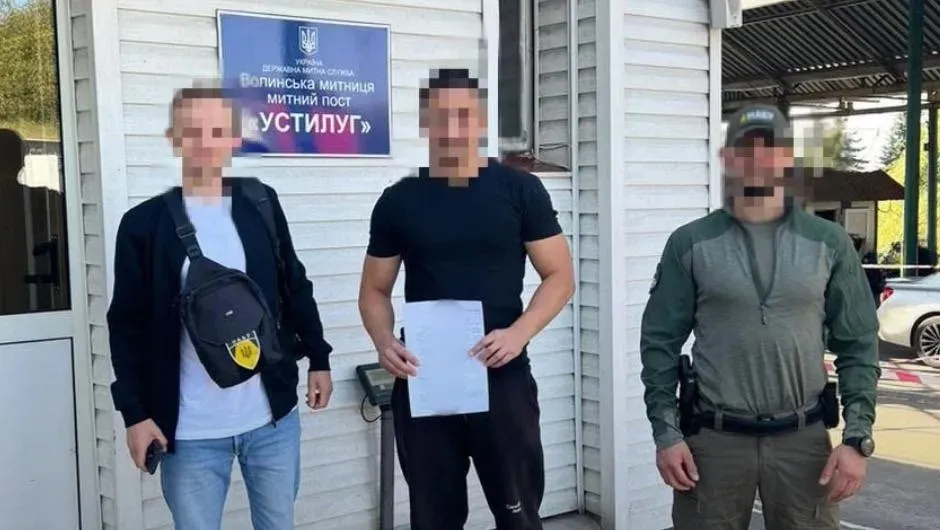
Among the most high-profile cases is the September 25, 2024, extradition from Poland of Oleksandr Radko, the former director of the company “West Prite.” He is suspected of misappropriating 14 buildings belonging to the state enterprise “National Film Archive of Ukraine” worth nearly 42 million hryvnias.
On May 21, 2025, Lyudmyla Prykhodko, the former head of the State Geocadastre of Kyiv Oblast, was extradited from Germany. Back in 2024, the High Anti-Corruption Court authorized a special pre-trial investigation into her case. She was believed to be involved in the illegal seizure of land plots totaling 1,200 hectares near Kyiv, valued at over 1.8 billion hryvnias.

Another person extradited is a land appraiser in Zakarpattia Oblast, who was handed over to Ukraine from Germany on September 15, 2025. According to investigators, she, together with the head of the district council, participated in the sale of municipal land at an undervalued price. This caused the state losses amounting to 81.7 million hryvnias.
Among the most common types of corruption crimes are schemes involving state-owned enterprises. This list includes: inflating the cost of procurements, non-transparent tenders, and failure to fulfill contractual obligations. In recent years, Ukraine has managed to repatriate several suspects in such cases.
On November 22, 2022, the director of a private company was extradited from Germany; she is suspected of involvement in a scheme that caused losses of $6.5 million to the State Information and Justice Agency during a software procurement.
On March 13, 2023, Lithuania handed over to Ukraine the former head of JSC “DPZKU,” Petro Vovchuk, whom the Specialized Anti-Corruption Prosecutor’s Office (SAPO) and the National Anti-Corruption Bureau of Ukraine (NABU) suspect of causing losses to the enterprise exceeding $60 million.
On March
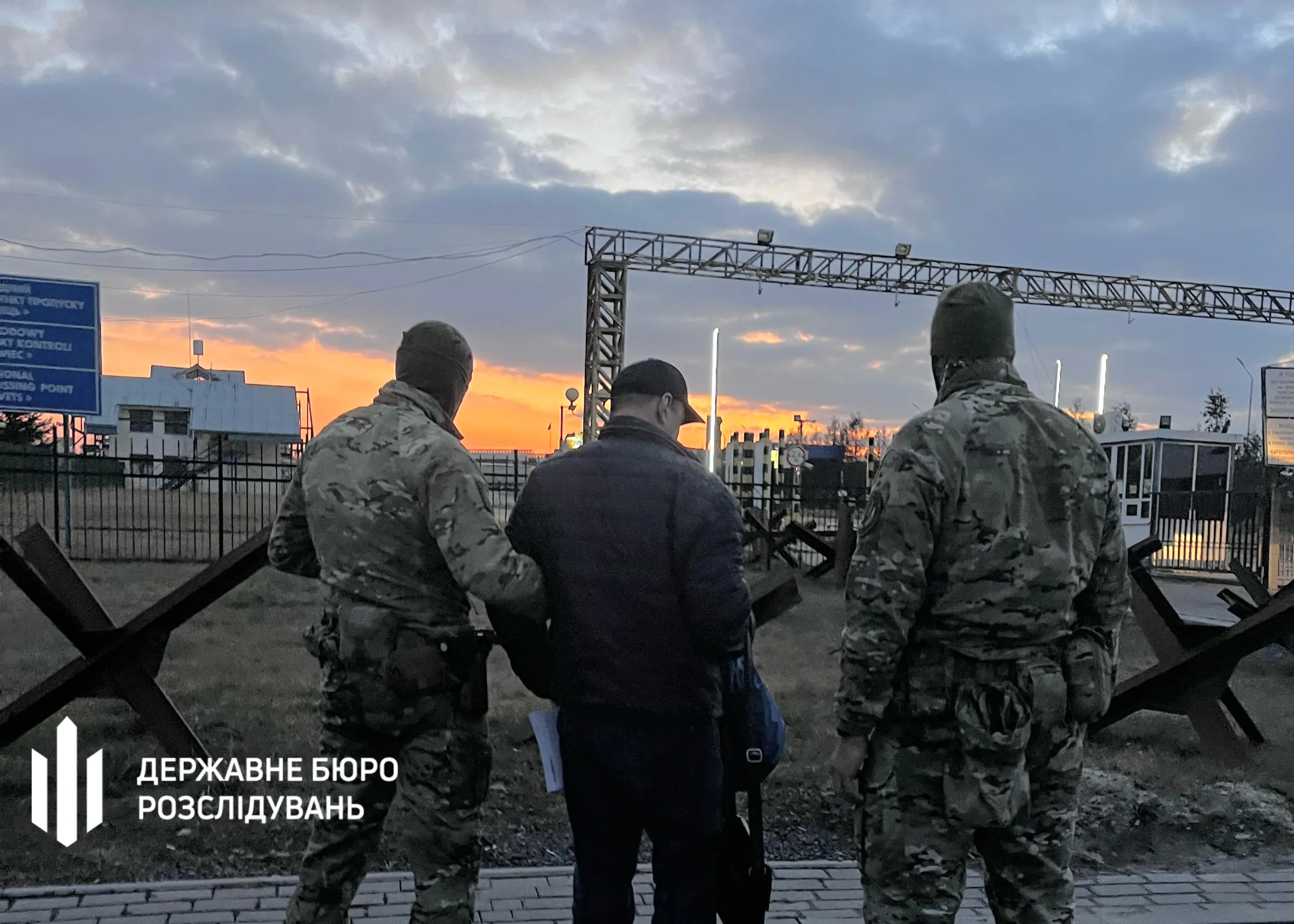
3, 2025, Germany extradited Oleg Voloshinov, the former deputy head of the Main Directorate of the State Tax Service in the Poltava region. According to the investigation, he helped underreport tax liabilities totaling 1.3 million hryvnias.
On November 4, 2025, Dmitry Nesteruk, the director of a private company, was brought back from Germany; he is believed to have been involved in the embezzlement of approximately 100 million hryvnias during the construction of Energoatom’s nuclear fuel storage facility in the Chernobyl exclusion zone.
Among other notable cases since the full-scale invasion began was the extradition from Slovakia in August 2023 of Vadym Khanenko, who is suspected of attempting to embezzle nearly 5 million hryvnias from “Ukrzaliznytsia.”
And in January 2025, Bulgaria extradited to Ukraine the director of a private company in a case involving the embezzlement of 94.8 million hryvnias during the procurement of transformers for “Ukrzaliznytsia.”
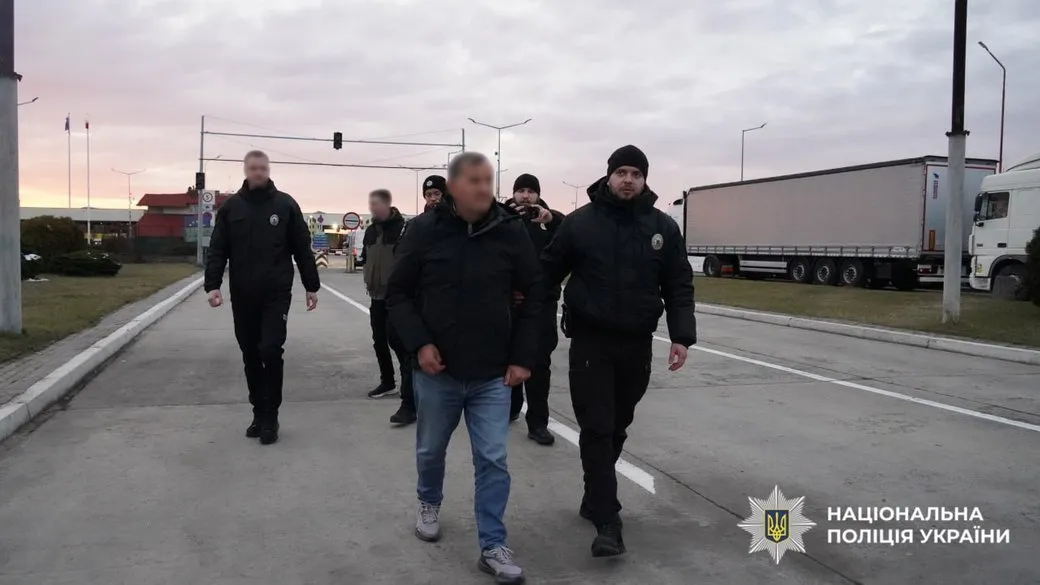
In March of that same year, Spain extradited real estate developer Anatoliy Voitsekhovsky, who is suspected of document forgery and illegal construction.
In April 2026, Germany extradited Igor Trushenko to Ukraine; he is suspected of conspiracy to purchase grain at an artificially low price, resulting in losses of 13.4 million hryvnias.
In July 2026, M. Kyrychenko, the former head of the finance department of a private company, was extradited from Italy. According to investigators, his actions caused losses to the company’s shareholders exceeding $900,000.
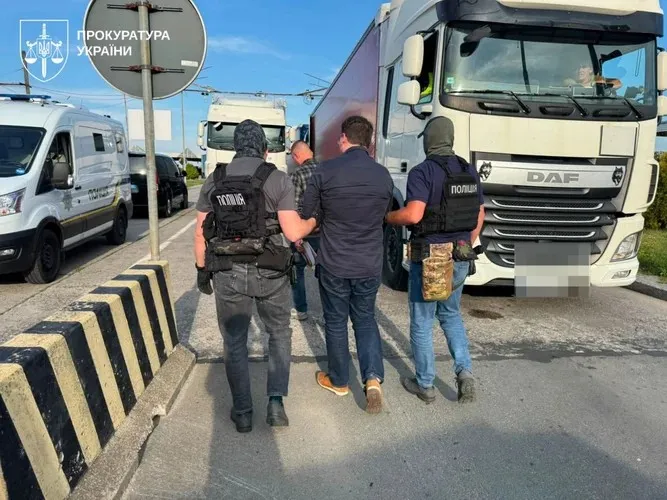
Overall, the number of offenders extradited to Ukraine is increasing every year. While 16 defendants were handed over to the country in 2022, the number rose to 22 in 2023, 48 in 2024, and reached 104 in 2025.




