
A Billion-Dollar Deal: The Story of the Negotiations Between FirePoint and Timur Mindich
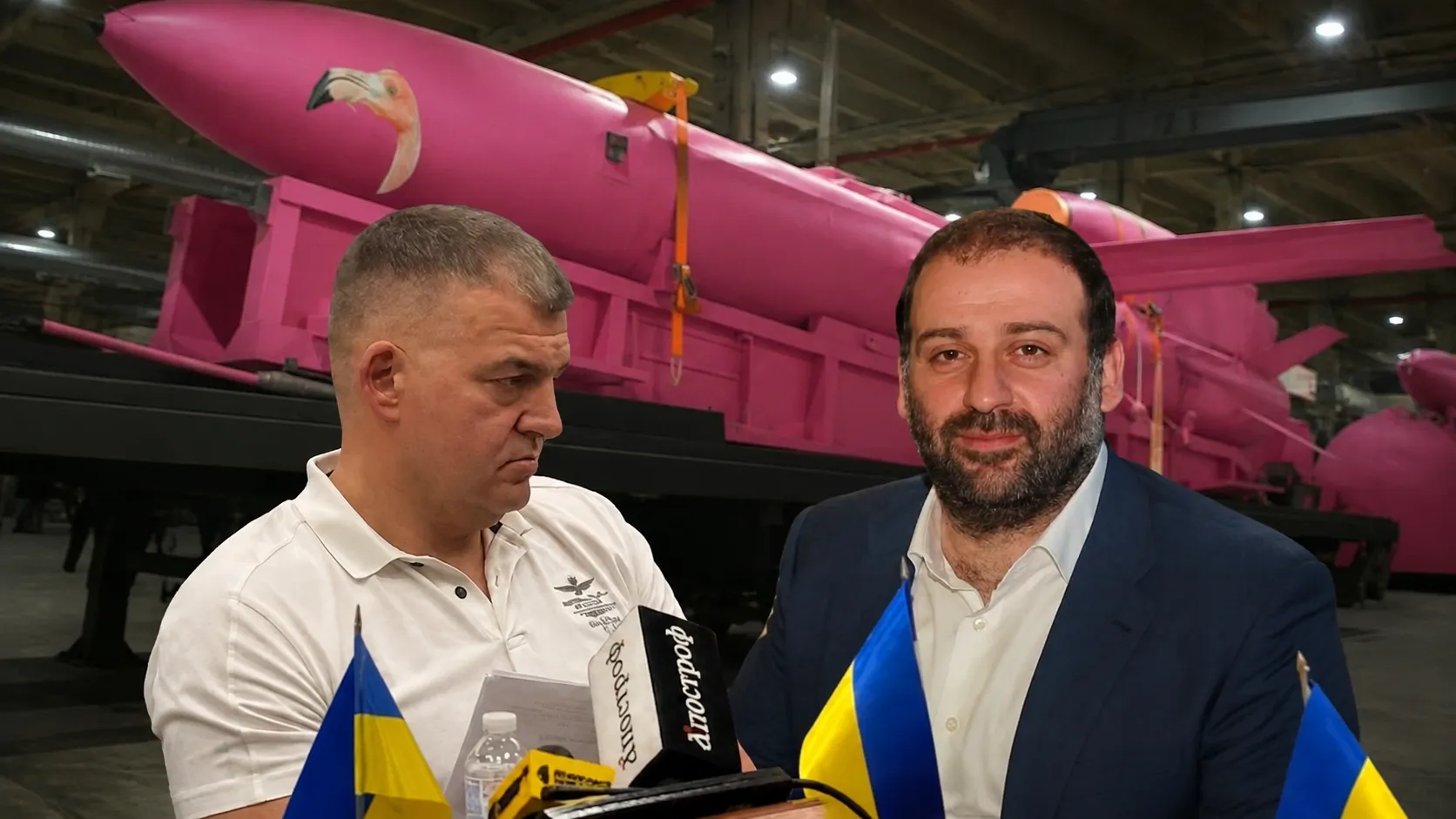
At a session of the Verkhovna Rada chaired by Oleksiy Honcharenko, Denis Shtilerman, head of the defense giant FirePoint, revealed shocking details for the first time: why the billion-dollar deal with Mykhailo Mindich fell through, how the company was shielded from toxic VIP shareholders with a “Chinese wall,” how much a drone antenna actually costs, and why domestic ballistic missiles are officially called… drones.
The billion-dollar deal and the “Great Wall” for PEPs: why negotiations with Mindich fell through
During a session of the Verkhovna Rada’s Temporary Investigative Commission, Denis Shtilerman, owner of the defense company FirePoint, described in detail for the first time the financial terms and reasons for the collapse of a potential deal with businessman Timur Mindich. According to the company head’s testimony, the relationship with Mindich was based on a verbal option that provided for the purchase of 50% of FirePoint’s shares at a 20% discount from its market valuation.
The situation changed after foreign investors took an interest in the company. Representatives from the United Arab Emirates valued FirePoint at $2.4 billion, which automatically increased the value of Mindich’s option to $1 billion. According to Stilerman, two key requirements were set for the potential buyer to proceed with this deal: confirmation of the entirely legal origin of the capital and the creation of legal mechanisms to insulate the company from his status as a PEP (politically exposed person).
“We immediately set strict conditions: first, the transaction had to be funded exclusively with legal, so-called ‘clean’ funds. Since Mindich did not personally possess the entire amount, he began seeking a pool of external investors. Second, we demanded the establishment of a clear legal structure—a ‘Chinese wall.’ This was a fundamental requirement of our international auditors to ensure the company did not acquire ‘toxic’ status due to the presence of politically connected individuals among its shareholders,” explained Denis Shtilerman.
According to the owner of FirePoint, the final sticking point in the negotiations was an attempt to bring third parties into the ownership structure, whose candidacies were unacceptable to the management of the defense enterprise.
“The deal was finally closed and fell apart after Timur Mindich and Alexander Zuckerman named the nominal shareholder in whose name they planned to register this stake. I categorically refused to sign the documents and deal with this person, at which point all discussions were terminated,” Shteilerman concluded.
Currently, according to the company, FirePoint continues to operate within its former ownership structure, and documents regarding the potential sale of shares to other foreign residents are under review by the Antimonopoly Committee of Ukraine.
Forced Simplified Classification: Ballistic Missiles Disguised as Drones
Denis Stilerman acknowledged that the company is forced to use existing regulatory exemptions for unmanned aerial vehicles to circumvent the outdated and lengthy codification procedures for missile weapons. Specifically, this involves registering full-fledged ballistic missiles and interceptor missiles as UAVs in official documents.
According to the company’s CEO, the March 2022 government decree, which greatly simplified the registration process for drones, saved the industry; however, the missile program remains legally blocked by Soviet-style bureaucratic red tape. To avoid spending years gathering approval documents, developers are adapting technical specifications to comply with current preferential legislation.
“This entire system has flourished because the government greatly simplified the classification of UAV products in March 2022. Moreover, we are now classifying all our ballistic missiles and all our interceptors as UAVs. Because that Soviet classification system, which remains for missiles and other military equipment, is impossible. It takes years and years and years and piles of useless paperwork. It’s quite funny when we classify our FP-9 not as a missile, but as a UAV with a ballistic engine. You see? Well, sort of a ballistic UAV,” Stilerman stated.
The manufacturer proposed officially extending the simplified codification procedure to other related types of weaponry where there is no physical presence of a crew or pilot inside the system (including ground-based robotic platforms and missiles).
At the same time, this position drew objections from members of the relevant committee. MP Yulia Yatsyk drew attention to the downside of simplifying registration procedures, citing recent corruption scandals involving other types of weapons as an example.
“I must disagree with you that simplifying codification has exclusively positive consequences. At one of our previous meetings, we discussed simplifying the codification for 122- and 80-caliber mortar rounds. Our Ukrainian manufacturer developed and supplied them according to technical specifications dating back to Soviet times; they were hastily codified in a slapdash manner. And then we all heard about that high-profile scandal involving rounds that didn’t reach their target but instead flew and fell two meters from the mortar’s firing mechanism. And now the individuals involved in this case are in pretrial detention,” noted Yulia Yatsyk.
In response, Shteilerman emphasized that cases involving the supply of substandard ammunition are isolated violations that should not halt the reform of the entire defense-industrial complex. In his view, without the procedural simplifications implemented in 2022, Ukraine would not have been able to create its own line of long-range and high-tech weapons at all. Following the discussion, the TSC proposed that FirePoint submit its detailed comments on the relevant legislation in writing for subsequent submission to the Cabinet of Ministers.
Conflict with the Anti-Corruption Center: Accusations of Leaking Defense Secrets
A separate highlight of the TSC meeting was the public conflict between the defense company and representatives of the public. Denis Shtilerman directly accused the Anti-Corruption Center (ACC). According to the head of FirePoint, the public organization sent internal company documents, which constitute military and commercial secrets, to foreign diplomatic missions.
This involves the unauthorized transfer of confidential data, including design documentation, flight test charts (FTCs), drawings, and internal production cost estimates. Shtilerman reported that the Security Service of Ukraine has already opened and is investigating a criminal case regarding this matter.
According to the manufacturer, the main consequence of these actions, as well as the publication of journalist Mykhailo Tkach’s investigation, was the disruption of international contracts. Western partners and investors were forced to activate strict internal compliance protocols, which automatically froze joint projects for months.
“Due to these letters to embassies and media publications, our foreign partners immediately launched lengthy compliance review procedures. This directly blocked international cooperation. As a result, the implementation of the strategic ‘Freya’ project was delayed by eight months. The situation only began to move forward in February 2026, when the Prime Minister of Norway personally visited our plant to verify the transparency of our processes,” stated Denis Shtilerman during the hearings.
In addition to the delay in the “Freya” intergovernmental project, reputational risks and legal audits directly impacted the company’s investment plans in the European Union. FirePoint’s management emphasized that it was precisely due to the ongoing compliance audit that the legal formalities and the start of construction for the planned engine manufacturing plant in Denmark had to be significantly postponed. The company is currently awaiting the conclusion of the official law enforcement investigation into the sources and motives behind the leak of internal documents.
The “Freya” Project: Developing an Anti-Missile Shield Using the Company’s Working Capital
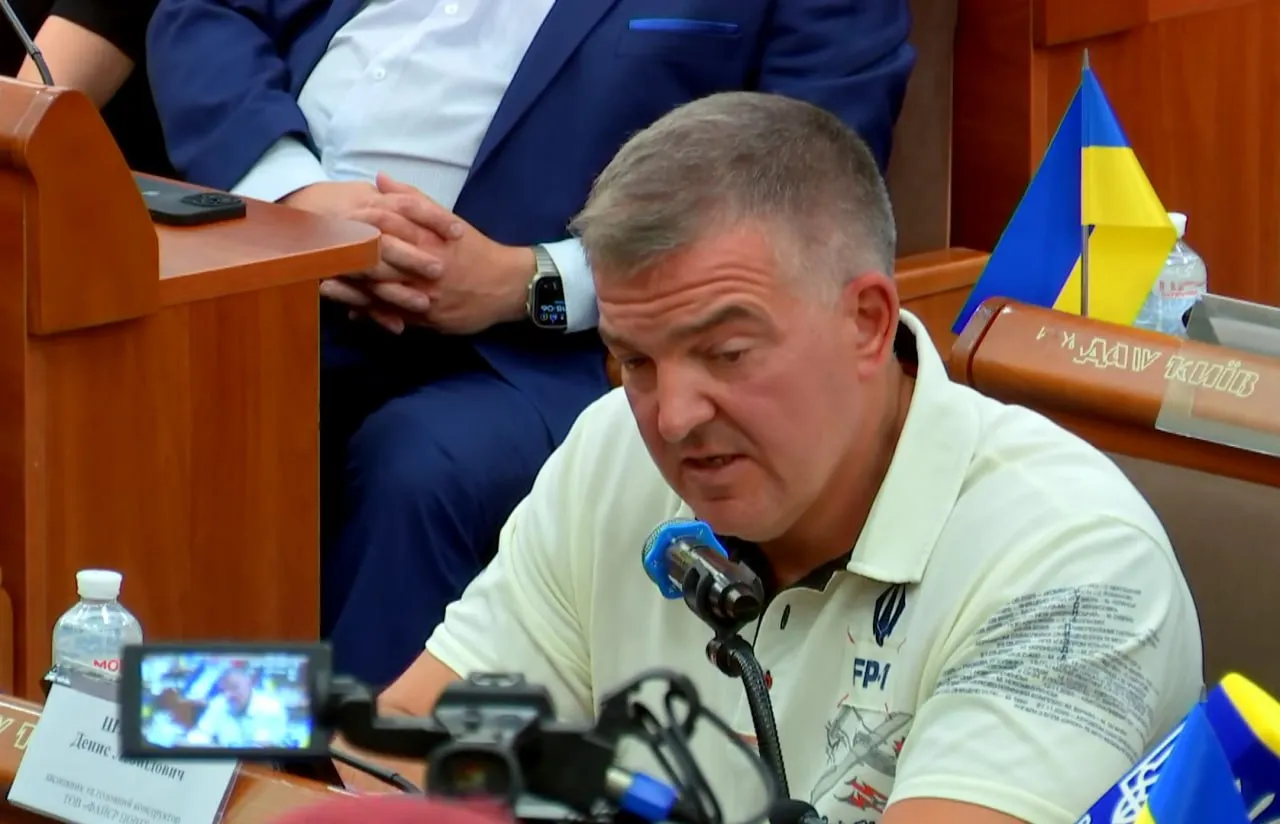
During the meeting, Stilerman also disclosed technical and financial details of the “Freya” project, which is positioned as the creation of an affordable domestic counterpart to Patriot-type anti-aircraft missile systems for intercepting ballistic targets. To date, FirePoint is the only private defense company on the Ukrainian side verified for participation in this program.
Despite the project’s advanced development status, funding for the defense initiative follows a specific scheme. The program has an official intergovernmental character—it involves the defense ministries of France, Germany, and Norway, with coordination on the Ukrainian side handled directly by Defense Minister Rustem Umerov. However, as Denis Shtilerman noted, as of May 2026, the project has received no financial allocations either from Ukraine’s state budget or from Western partners. All research and development (R&D) work is funded exclusively from FirePoint’s internal working capital.
The company’s CEO confirmed that he is in constant direct contact with the head of the defense ministry to promptly resolve the program’s logistical and organizational issues.
“Rustem Umerov personally oversees the ‘Freya’ program on the Ukrainian side. We are in constant working contact. But it is important to understand: currently, there is no state or foreign funding for this project. Absolutely everything—from the blueprints to the first prototypes—is being created at our own expense, by reinvesting profits from other areas of the company’s operations,” Stilerman said.
According to the developers’ plan, the key indicator for unlocking large-scale investments and signing intergovernmental contracts will be confirmation of the system’s effectiveness in real combat conditions. The company’s engineering team has been given a clear deadline: to carry out the first successful combat shootdown of a real ballistic target on the front lines by the end of this year. Only after this stage is the opening of official financial lines from partner countries expected.
The dispute over the cost of the FP-1 UAV
The most substantive discussion during the TSC meeting centered on the audit of cost calculations and pricing for the company’s products, particularly the FP-1 unmanned aerial vehicles. The state purchases these systems at a price of 2.5 million hryvnias (approximately $60,000) per unit, which raised questions among commission members regarding the justification for such expenditures.
MP Yulia Yatsyk, citing the results of her visit to the company’s production facilities, noted that a visual assessment of the drone’s components and assemblies indicates a significantly lower market value for the hardware. According to TSC representatives, the cost of components for a single drone should not exceed $10,000–15,000.
In response, Denys Shtilerman categorically rejected such estimates, emphasizing that the critically important high-tech components that ensure the device’s operation under electronic warfare conditions are purchased at global market prices and cannot be cheap.
“Just one RPI antenna costs us $16,000. I’m not particularly keen on disclosing the components of our products in the public part of the hearing. You saw that just the basic components I listed already total over $40,000. The most expensive elements are the engines and various navigation systems, which we are forced to import because Ukrainian manufacturers cannot yet fully meet our volume requirements,” explained the head of FirePoint.
At the same time, the defense company’s management acknowledged discrepancies with regulatory authorities and financial auditors regarding profit calculations. According to Shterman, the company’s average planned profit margin is set at 21.52%, but disputes arose under two government contracts regarding the profit margins set by the manufacturer.
As a result of the recalculation and the audit’s finding that profitability limits had been exceeded (reaching 27% in some cases), FirePoint decided to settle the dispute out of court. The manufacturer officially confirmed that it had returned 20 million hryvnias in overcharged funds to the state budget—directly to the accounts of the State Security and Defense Information Agency (SSDIA) and the Defense Procurement Agency (DPA)—from a total order pool of 4 billion hryvnias.
NABU Investigations: Proceedings Against Officials and the Company’s Status
The legal status of FirePoint in NABU’s criminal proceedings was the final issue addressed during the hearings. The proceedings were initiated regarding the possible overpricing of procurements (Part 5 of Article 191 (misappropriation, embezzlement, or acquisition of property through abuse of official position on an especially large scale) and Part 3 of Article 209 (legalization (laundering) of property obtained by criminal means) of the Criminal Code of Ukraine).
In response, Denys Shtilerman shifted the focus, noting that law enforcement agencies had not made any direct allegations against the management or shareholders of the defense company. According to him, the investigation is factual and aimed at verifying the activities of former government officials, not private arms manufacturers.
The head of FirePoint explained that FirePoint’s contracts are being examined by law enforcement as part of a general audit of agreements involving six different Ukrainian companies that supplied products under state programs.
“There is no case against us. There is a case regarding possible illegal enrichment of officials who worked at the State Security Service of Ukraine or the Ministry of Digital Transformation. As part of this investigation, potential price overcharges by six Ukrainian companies are being examined, and one of these companies is ours. But there is no case against our company, its management, or its shareholders. No charges have been filed against anyone,” Stilerman emphasized.
In simple terms
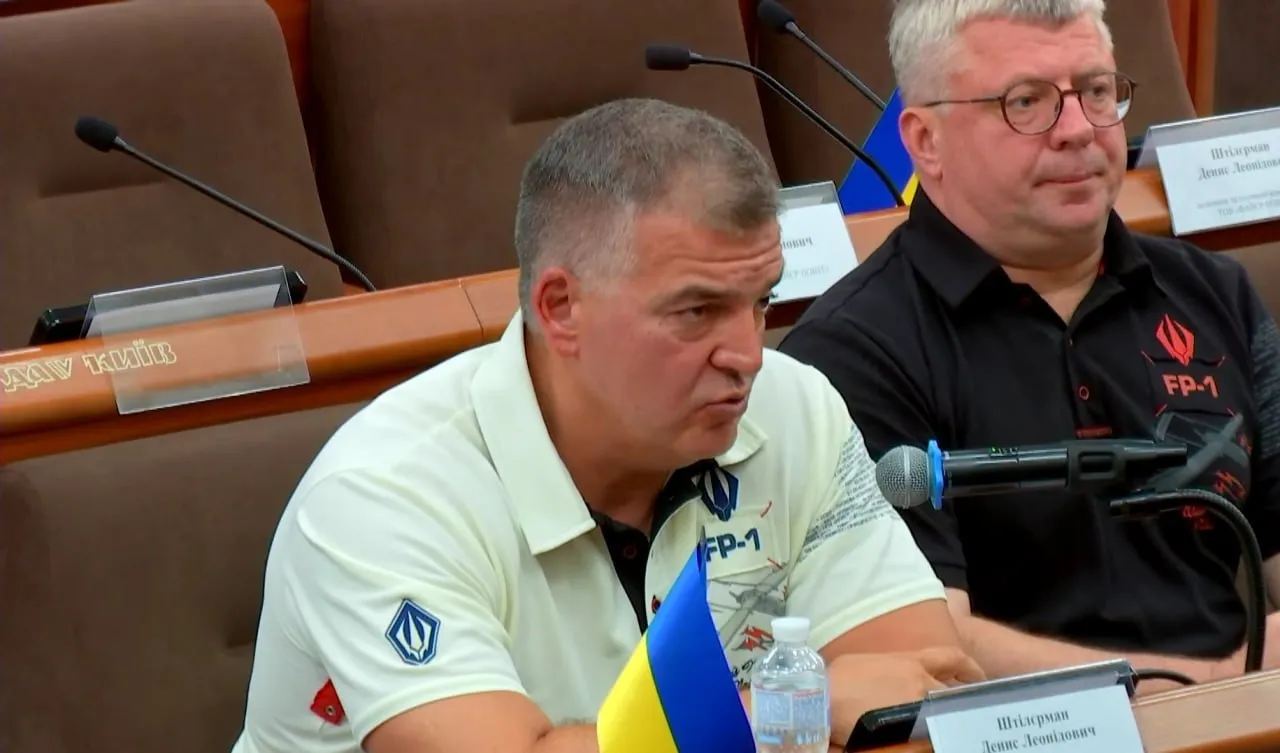
Denis Shterman tried to portray the situation to the commission as if the company had always stayed out of political interests and toxic connections. But the sheer number of meetings between Stilerman and Timur Mindich—15, according to the head of FirePoint—likely indicates in-depth discussions regarding terms, price, and potential exit strategies.
It appears that what put an end to these protracted negotiations was not so much fundamental disagreements regarding the partners’ reputations as the emergence of Arab investors with a specific valuation of $2.4 billion.
At the second consecutive meeting of the Temporary Investigation Commission, Denis Shteilerman tried to convince lawmakers that his company is not a fly-by-night operation, but a powerful giant that is developing a replacement for the Patriot systems using its own funds and plans to build factories in Europe. From this perspective, all the internal Ukrainian squabbles, the “leaks” of documents from anti-corruption activists, NABU audits, and the convoluted negotiations with Timur Mindich are simply noise. However, it is precisely this noise that is now costing the company dearly. It is scaring off foreign investors, derailing international inspections, and blocking a real billion dollars from Arab investors that could have gone toward Ukrainian weapons.
As a reminder, aviation engineer and drone specialist Yuriy Kasyanov, while testifying at a meeting of the temporary investigative commission, called FirePoint’s statements a technical absurdity. The renowned developer asserts: Ukraine has neither microelectronics factories nor access to missile technologies, and the deep-strike market is artificially monopolized by profiteers who pass off simple designs as a scientific revolution.




