
Beauty Can No Longer Be Separated from Health: Tetyana Shcherbachenko, an endocrinologist at LEO BEAUTY CLUB, on biohacking and peptide therapy

Aesthetic medicine has definitively moved away from the concept of a “quick, glossy result” in favor of the body’s internal health. Peptides have become an effective tool in modern medicine and anti-aging therapy, helping to control weight, improve sleep quality, and restore skin tone.
Why beauty can no longer be separated from health—Tetyana Shcherbachenko, a gynecologist, endocrinologist, and anti-aging specialist at the LEO BEAUTY CLUB chain in Kyiv, explained this in an interview with UA.News. She discussed which forms of next-generation peptides are most effective and how personalized treatment protocols help manage the aging process.
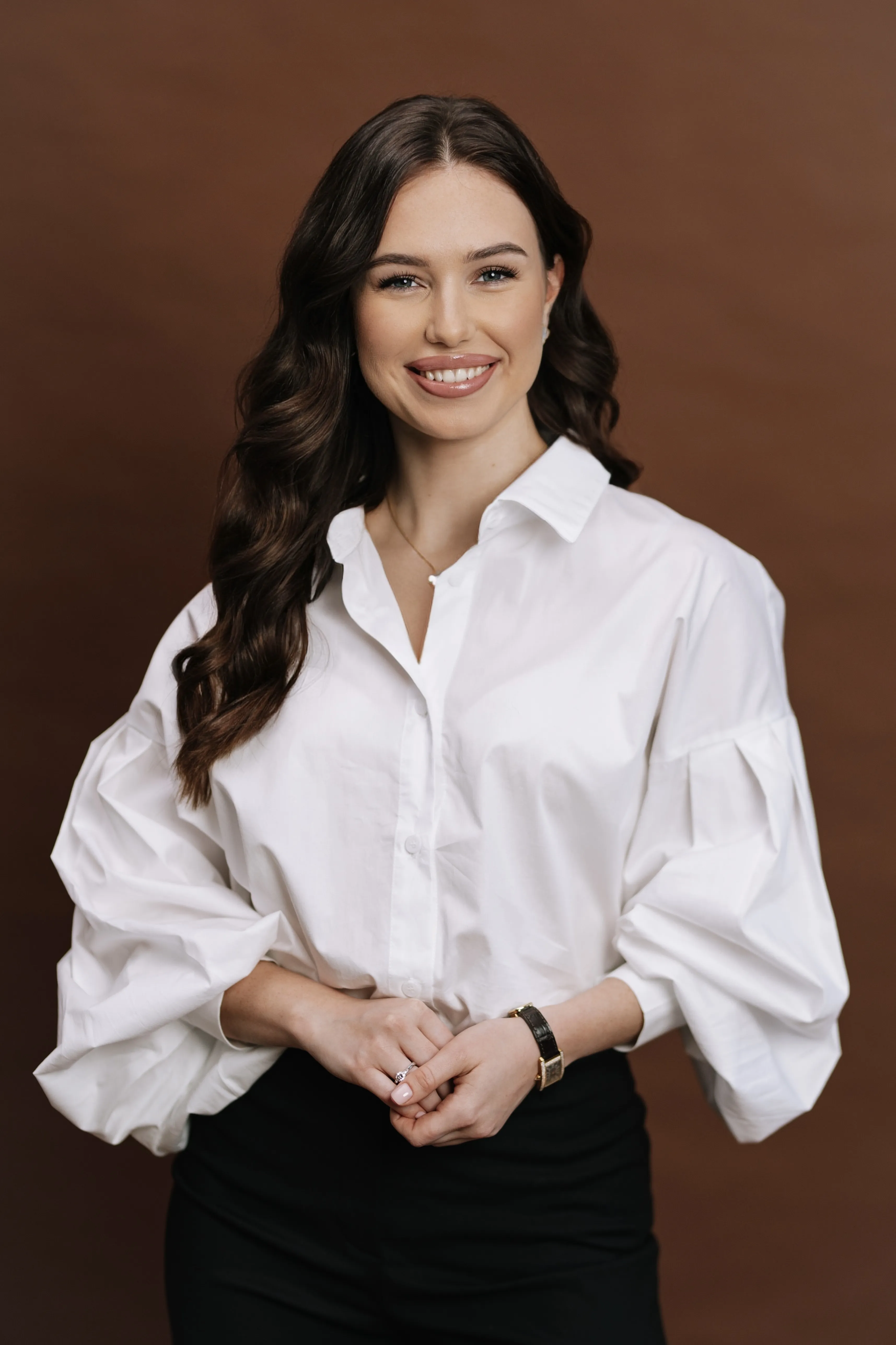
Aesthetic medicine now focuses not on quick visual beauty, but on biologically healthy skin and natural regenerative processes. In your opinion, what is the foundation of this approach? And how has this approach evolved in recent years—or perhaps months?
Tetyana Shcherbachenko: In my view, the foundation of the modern approach is very simple, yet revolutionary: we’ve begun to view visual beauty as a reflection of the body’s internal processes. In other words, we’re not working on the consequences, as we did before, but first and foremost on the cause.
The skin does not exist separately from the body. It reacts to hormonal balance, reflects deficiencies, stress levels, and sleep quality. That is precisely why the modern approach begins not with an injection, but with the question: why did the skin start to change in the first place?
The pace of change today is indeed very rapid. Whereas the key question used to be: “What should be injected into the skin to activate external regeneration?”—today it has transformed into: “How can we activate the body’s own regenerative mechanisms?”
And it is fundamentally important that aesthetic medicine, endocrinology, and cell biology no longer exist in isolation—today they work in close collaboration. Standards are no longer updated by generations, but literally by seasons: what was an innovation a year ago has now become standard practice.
To what extent are the wellness philosophy and biohacking important pillars at LEO BEAUTY CLUB? What practices and scientific advancements have formed the foundation for this comprehensive approach to care?
Tetyana Shcherbachenko: For us, this isn’t just a trendy add-on—it’s the philosophy that underpins the clinic’s work. We understand wellness not as an abstract “feeling good,” but as health that can be managed: seeing what’s happening inside the body and consciously supporting it. And for us, biohacking is a tool for conscious work with the body: the ability to influence the body’s condition based not only on the patient’s self-reported well-being but also on specific data from their tests.
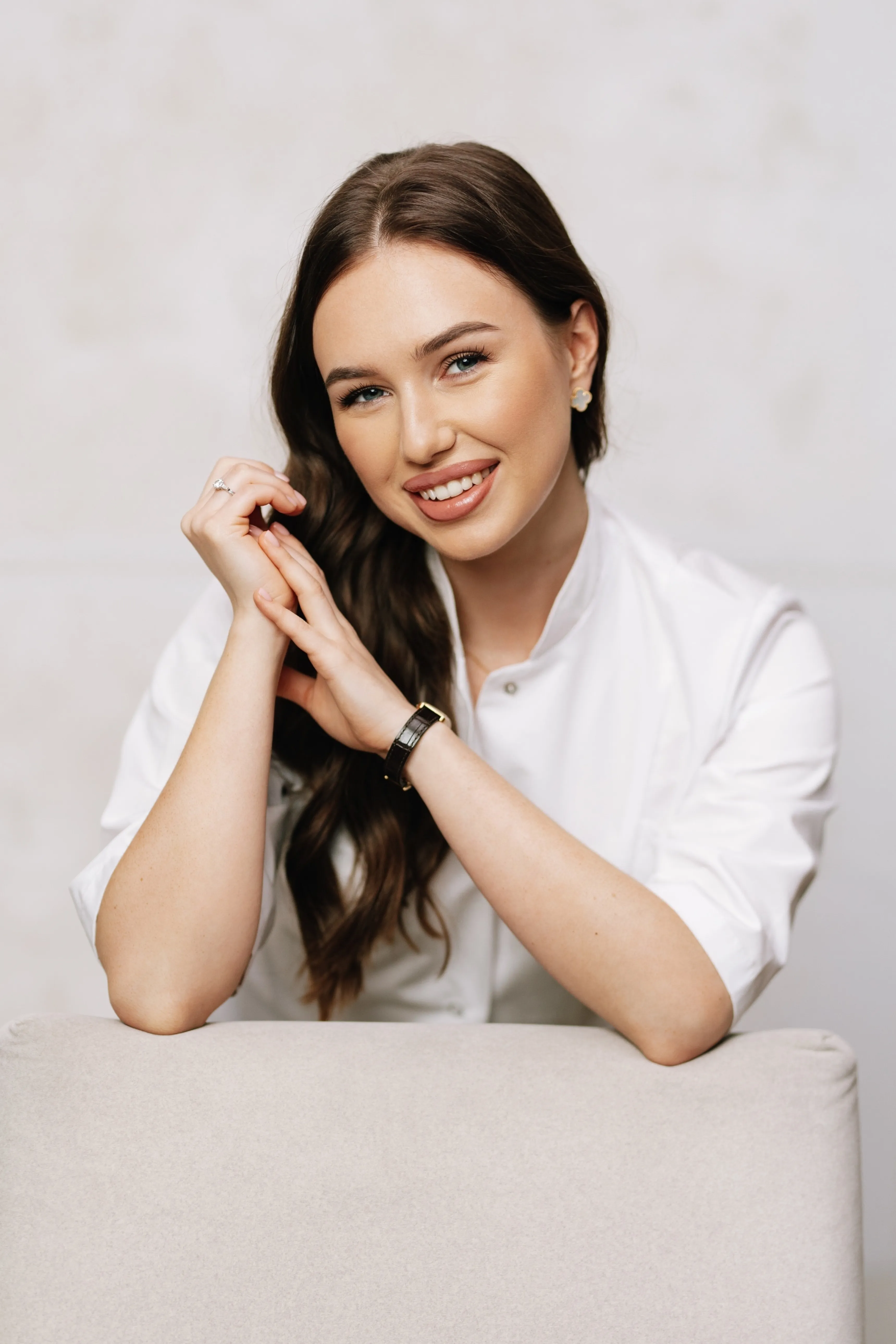
I always emphasize the most important point to my patients—any procedure must be controlled and performed under a doctor’s supervision. This is a systematic process: first, we assess how the body functions—hormones, metabolism, and whether there is any hidden inflammation or deficiencies—and we base our choice of methods and medications on these findings. Here at the LBC network, beauty doesn’t exist separately from health. A well-groomed appearance is the result of the body functioning in harmony.
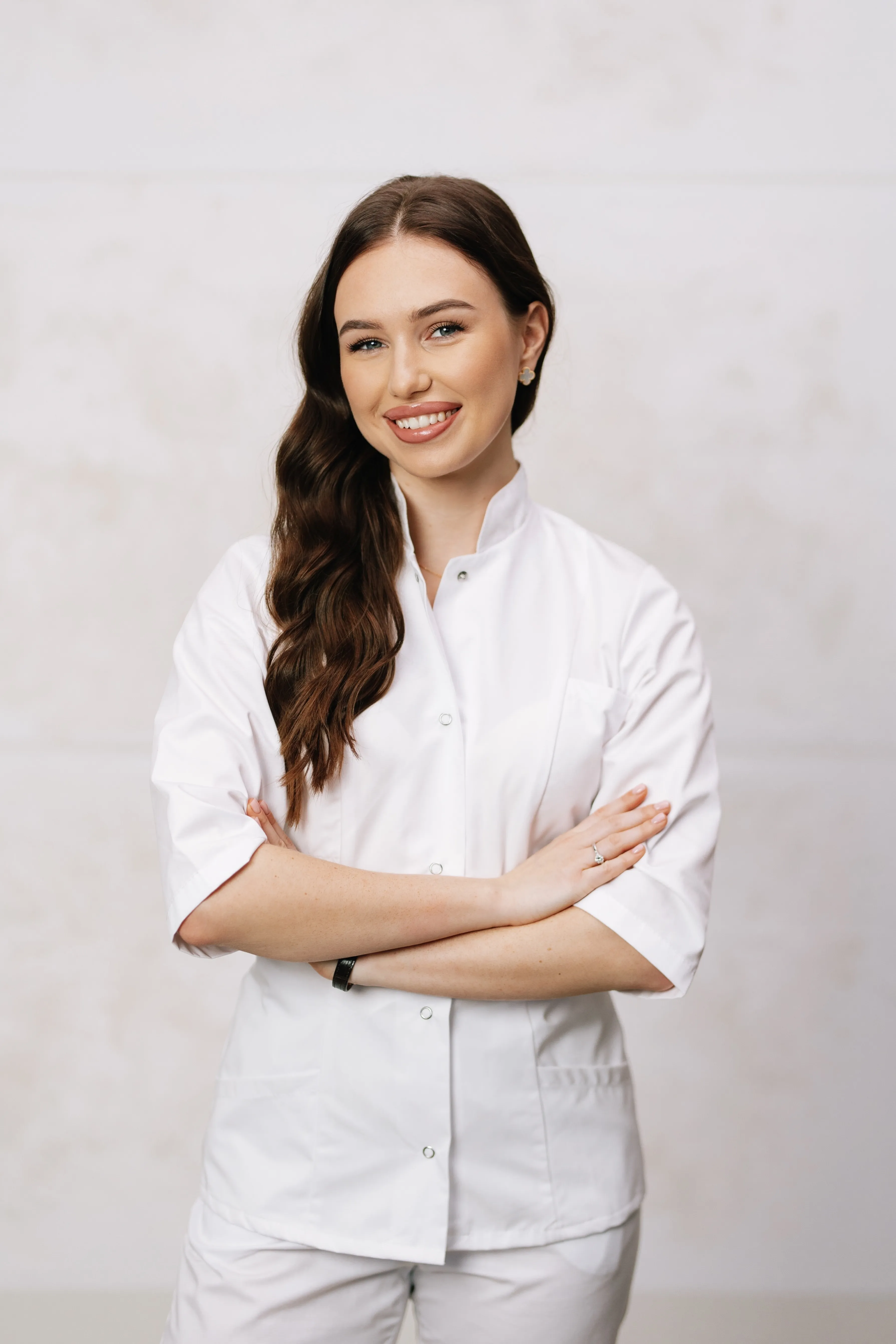
Peptides are currently considered one of the most promising components in the beauty industry. How exactly do peptides and peptide therapy affect our bodies and skin renewal processes? How do they differ from other active ingredients?
Tetyana Shcherbachenko: Today, peptides are one of the most promising tools in modern medicine and anti-aging therapy. And, in my opinion, this is one of the most powerful approaches we have today for working not only with beauty but also with the body’s overall resources.
Their power lies in the fact that they work not superficially, but deeply—at the level of internal processes. To put it simply, peptides are signals for our body that help it “remember” and reinforce how to properly regenerate, adapt, and function more effectively.
That is why peptide therapy is used today for a wide variety of purposes: from weight management, correcting metabolic disorders, and maintaining hormonal balance, to recovery from stress and physical exertion — to improving sleep, energy levels, skin quality, body contour, and slowing down age-related changes.
And that’s their main advantage: they don’t just temporarily improve your condition—they address the root cause and help the body activate its own recovery mechanisms.
Tetyana Shcherbachenko: New-generation peptides come in various forms. They are primarily available as injections—this is how the active ingredient is best absorbed and works most effectively. Some preparations are already available as nasal sprays, which is also a convenient format and allows for rapid delivery of active ingredients into the body. And now we’re seeing the development of oral forms—capsules and tablets. This certainly makes treatment more accessible and comfortable for the patient. But it’s important to understand that when taken orally, some of the active ingredient may be lost during digestion, so the effectiveness of these forms is often lower than that of injectable forms. Tetyana Shcherbachenko: At our clinic, we most often include systemic peptides in comprehensive treatment protocols alongside injectable and device-based procedures, because that’s how they deliver the most powerful results. [blockquote_with_author name="In my practice, I don’t recommend peptides simply ‘based on age’—I always start with the patient’s specific needs, their lifestyle, test results, and the body’s natural reserves.
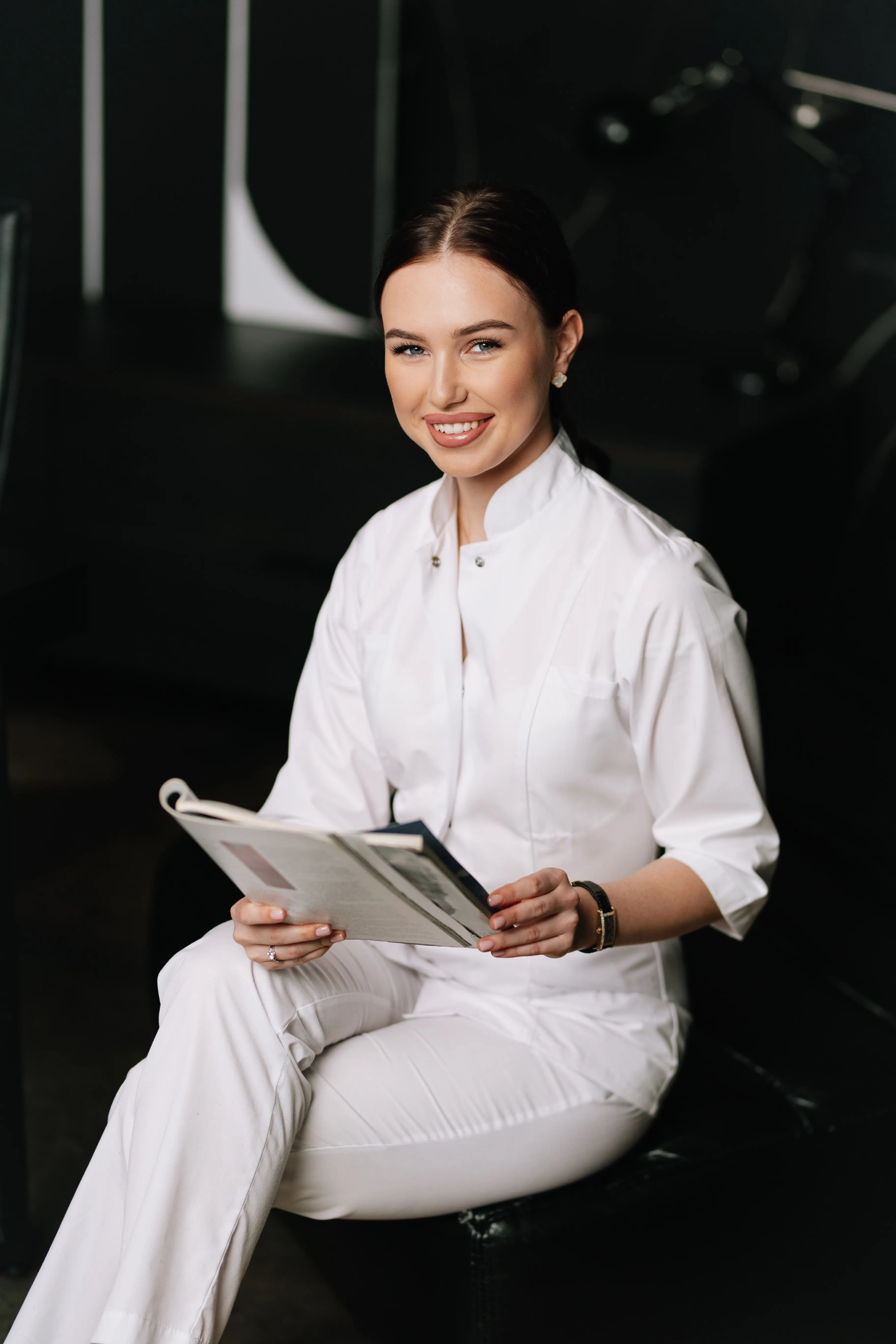
In what forms and formats do next-generation peptides exist?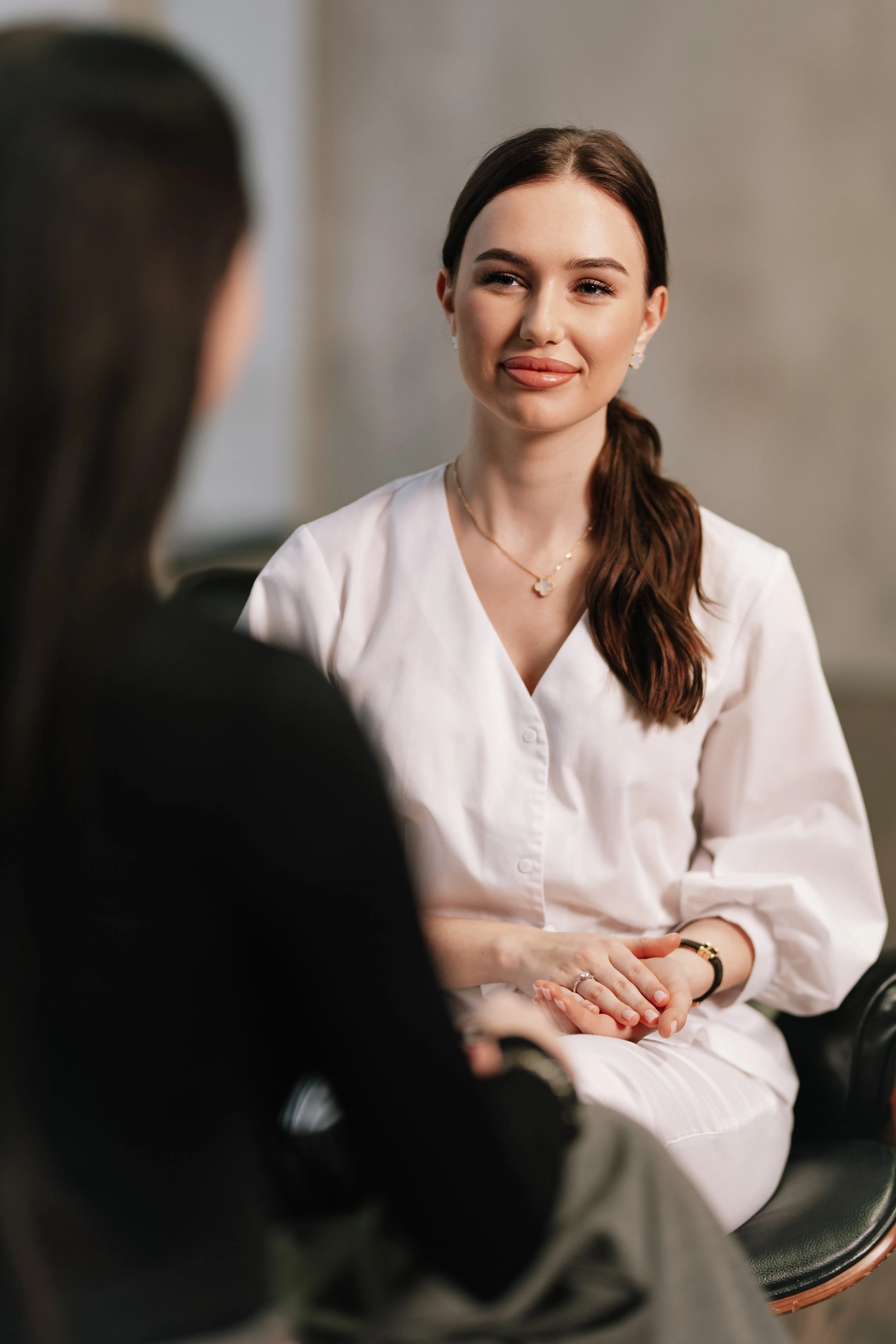
What procedures, in combination with peptide therapy, do you most often recommend to clients of different ages and with different physiological needs?
When it comes to younger patients, their requests are more often related to weight loss, increased energy, and preventing the first signs of aging. Here, we combine systemic peptide therapy with procedures aimed at improving the body’s condition and tone: micro-needle RF lifting, skin bioreparation, botulinum toxin therapy, and body treatments using devices such as Icoon and Robolex.
For older patients, concerns are often related not only to external changes but also to the body’s overall vitality. Most commonly, these include reduced skin tone, loss of firmness, dryness, a tired appearance, and decreased energy. In such cases, we often combine systemic peptide therapy with collagen stimulators, botulinum toxin therapy, microneedle RF lifting, laser procedures, biorevitalization, and skin bioreparation. It is precisely this approach that allows us to work more deeply—addressing skin density and slowing down age-related changes.
That’s why, for us, peptides aren’t just a standalone procedure—they’re a tool that enhances results and helps us provide more comprehensive care for our patients.
Leo Beauty Club is a space where women can take care of themselves completely: from outer beauty to inner health. Here, they’re setting a new standard for service, where medical care becomes comfortable, understandable, and accessible.
You can visit the LEO BEAUTY CLUB at the following addresses:
KYIV
16B Lypkivskoho St.
18 Velyka Vasylkivska St.
Book online:
Read also:
Leo Beauty Club Announces the Launch of Its New Website, Leobeautyclub.net
Leo Beauty Club at IMCAS 2026 Paris: international experience, new knowledge, and improved protocols for our patients




