
Analysis of 601 great apes points to preserved brain mass with age — Nature
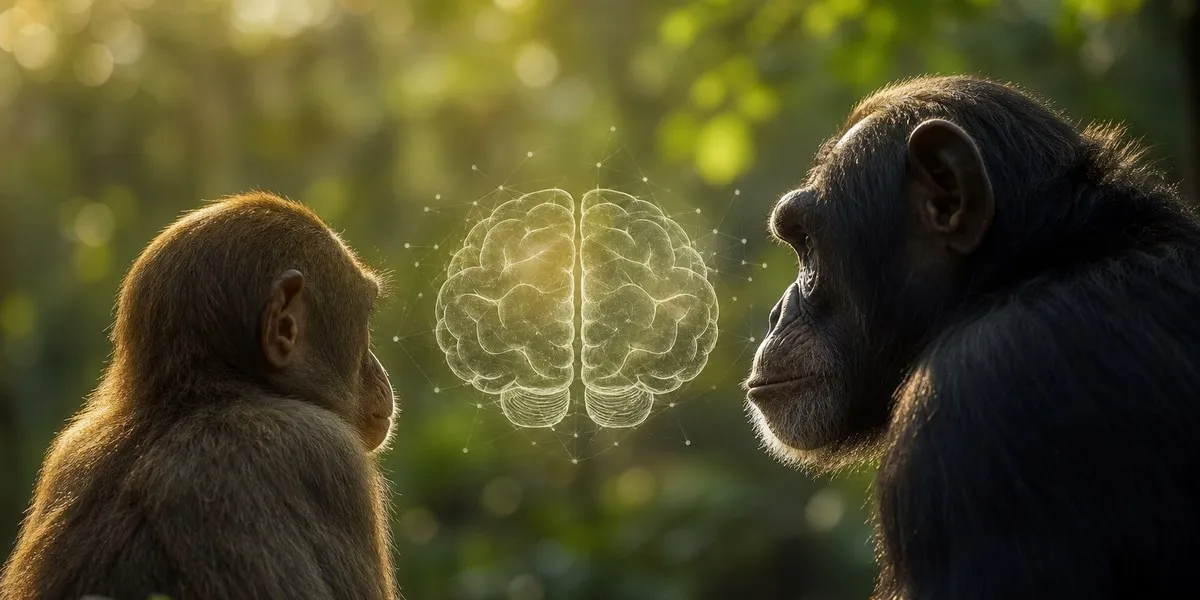
An analysis of the brains of 601 great apes suggests that brain mass in humans’ closest living relatives may not decrease in old age in the same way as it does in humans. Nature reports. The analysis included chimpanzees, gorillas, orangutans and bonobos.
Comparison with humans
In humans, the brain usually begins to lose mass at around 45–50 years of age, even in the absence of disease. Analysis of great ape data showed that such an age-related change may not occur in humans’ closest living relatives. According to Nature, the brains of older apes were the same size as those of younger individuals.
More current news is available on the UA.News Telegram channel Telegram.
Which species were studied
The sample included chimpanzees of the species Pan troglodytes, gorillas Gorilla gorilla, two species of orangutans — Pongo pygmaeus and Pongo abelii — as well as bonobos Pan paniscus. The results are based on a study published in the journal Proceedings of the National Academy of Sciences.
Possible explanation
Nature notes that the preservation of brain mass in old age in non-human great apes may be linked to their relatively short lifespan. This is a possible explanation rather than a conclusively established cause.




