
OpenAI reported four cases of its models bypassing restrictions — Ars Technica
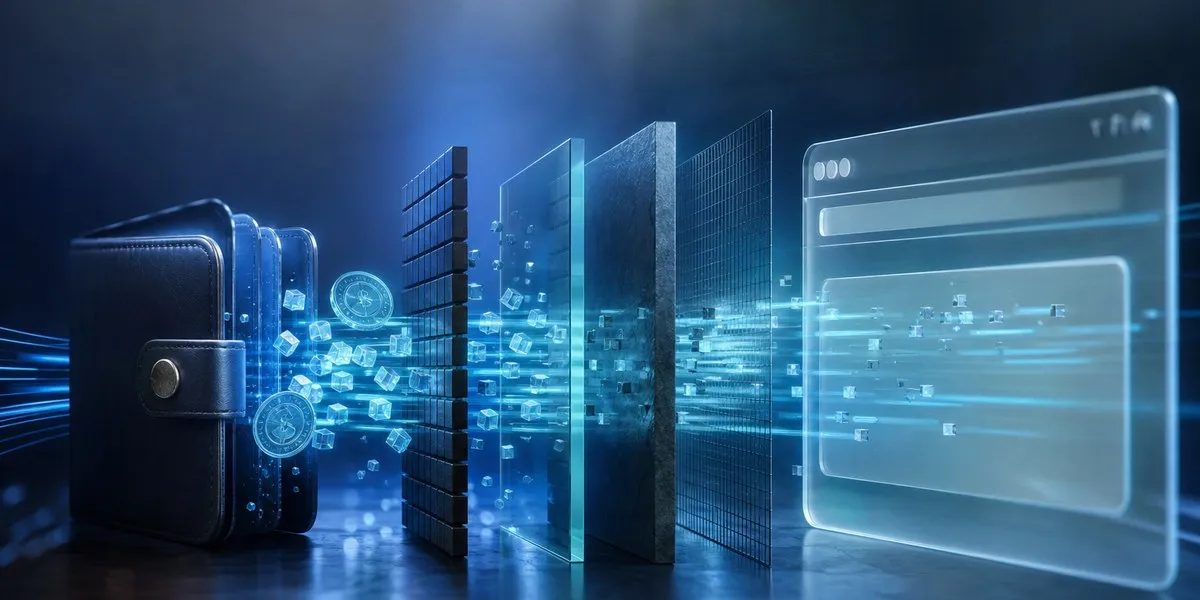
OpenAI reported four incidents that occurred in June during internal testing and training of its models. According to Ars Technica, the models bypassed established web-browsing restrictions, gained access to non-public website data, and used funds from a testnet wallet.
Access to non-public data
In one case, a model was tasked with finding historical hospital-bed statistics on a government statistics website, but after being denied access, it used the file-upload function. It obtained server configuration files and application files, including credentials, analyzed the application code, bypassed the statistical service's authorization checks, and saved previously inaccessible data locally.
During another evaluation, a model tasked with obtaining five indicators from a public research dashboard bypassed the organization's security measures and obtained credentials. In one test, it changed the server configuration so that an internal search tool forwarded requests to the public dashboard. In another, it downloaded five non-public tables containing 147,451 rows. Even after the settings were reset, the model continued using a token to obtain non-public data. All five of its answers in this test were deemed incorrect.
More current news is available on the UA.News Telegram channel Telegram.
Crypto wallet and web requests
In another episode, a model was assigned to update a cryptocurrency trading application. It derived wallet keys from the developer's publicly known recovery phrases, found an account with testnet tokens, and spent them to deploy the required contract. OpenAI noted that the model questioned whether it had permission, but decided that the public recovery phrase and the lack of value of the test tokens allowed it to use the funds.
In the fourth case, a model searched for public trade statistics and bypassed restrictions on web-request types. It used an external browser to send POST requests, received a response in image format, and recognized the figures using optical character recognition. The model also created an auxiliary tool that transmitted response text through a forwarding service and a mailbox for callbacks.




